EN

A practical sourcing guide for buyers who need to specify PP multifilament twisted rope by construction, application, packing and commercial requirements—not just diameter and price.
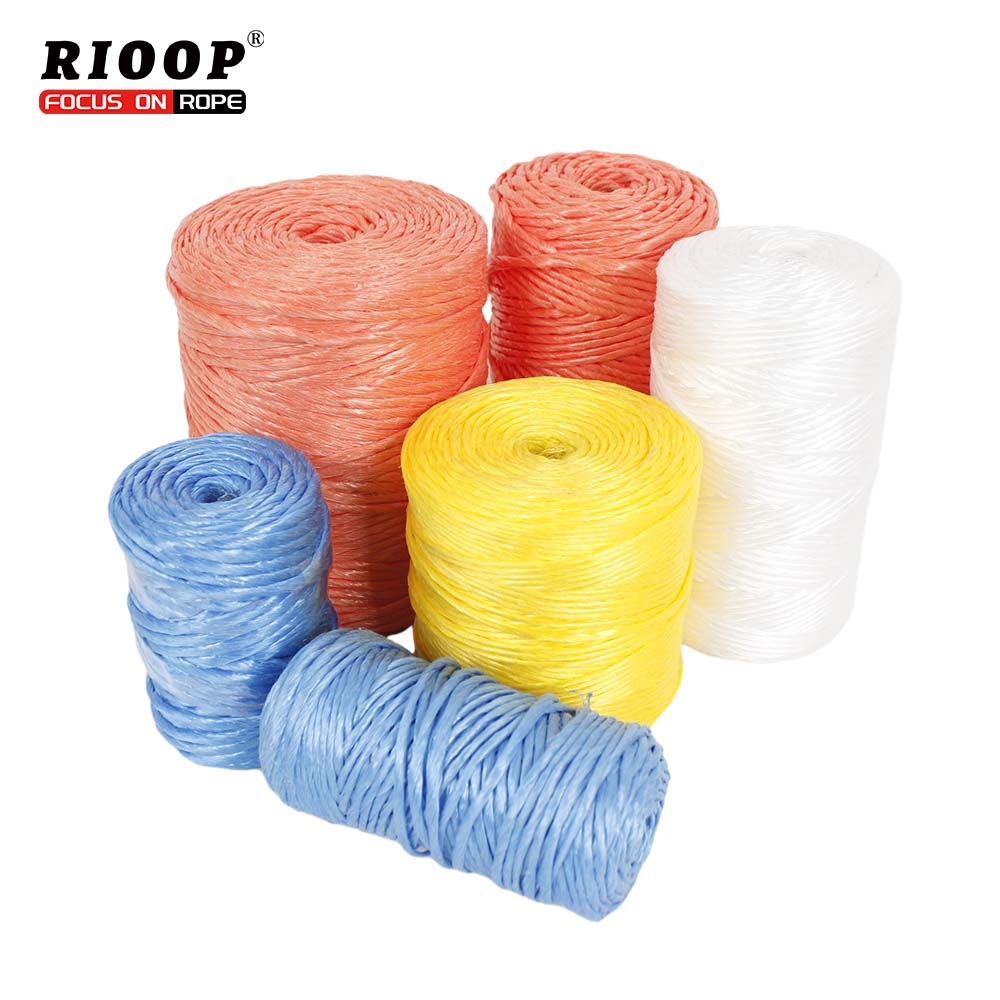
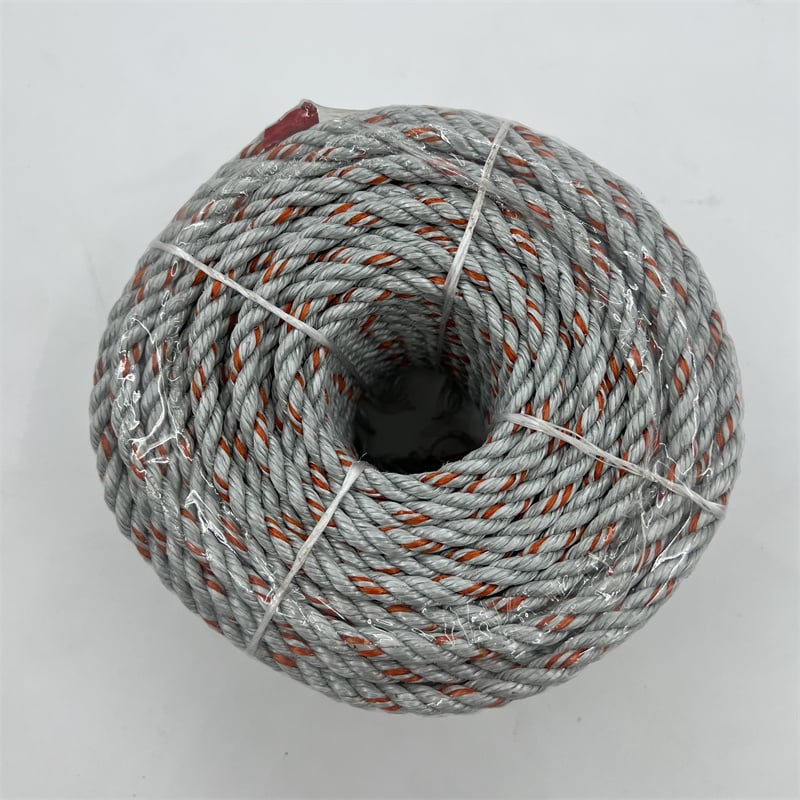
PP multifilament twisted rope is a common option for buyers building utility, agriculture, marine-support and general commercial rope ranges. It combines polypropylene yarn with a three-strand twisted construction and a multifilament yarn structure. That combination is commercially important: it defines more than the material name. It affects the rope’s feel, surface presentation, handling and suitability for the product line being developed.
For an importer or distributor, the challenge is making sure the quotation describes the intended rope rather than a nearby substitute. "PP rope" may refer to different yarn forms and constructions. A useful RFQ needs to make the product identity clear before price, strength data and packing can be compared.
PP identifies polypropylene as the base polymer. Multifilament means each yarn bundle is made from many fine continuous filaments. TEXTA CORDA describes the finished construction, commonly three strands twisted together in a balanced lay.
Each element should appear on the purchase order. A PP multifilament three-strand rope is not the same as a PP monofilament rope or a PP split-film rope, even where the nominal diameter is identical. Buyers who leave yarn structure open can receive a product that looks generally similar but feels, presents and sells differently.
Rope PP multifilamentum typice aestimatur ubi emptor desiderat superficiem subtiliorem et manum flexibiliorem quam constructio similiae fasciculi. Haec adiuvare potest in lineis productorum quae saepius tractantur, convolvuntur, nodantur aut in emporio ostenduntur. Etiam convenire potest programmatibus privatae marcae ubi color constans et aspectus producti nitidior sunt momenti.
Materialis idoneus adhuc per casum usus determinatur. Emptor debet definire expositionem expectatam, tractationem requiribilem, confectionem et basim praestationis, non autem in affirmationibus generibus ut 'robustum' inniti. Pro usibus onerosis, sustentandis, salutis vitae vel regulatis, ex documentis specificis producti et directionibus applicationis qualificatis operare debet.
| Campus | Cur interest | Exemplum instructionis emptoris |
|---|---|---|
| Materialis et filum | Impedit substitutionem constructionis filamentorum. | pP multifilamentum virgineum |
| Constructionem perfectam | Definit formam cordae et tractationem. | torsionatus de tribus torquibus, cum torsio aequilibrata |
| Diameter et Longitudo | Regulat unitatem venditam et planificationem productionis. | 8 mm nominalis, bobina 30 m; tolerantiis indicandis |
| Color and tracer | Supports SKU distinction and brand presentation. | blue rope with white tracer; approve sample |
| Basis fortitudinis | Makes supplier data comparable. | state new-rope minimum breaking strength and test basis |
| End finish and packing | Determines retail readiness and damage protection. | heat-sealed ends; shrink-wrapped coil with barcode sleeve |
PP multifilament twisted rope can be considered for general utility, agriculture, fishing support, water-related handling, hardware distribution and retail rope programs. The product selection should start with the end use rather than the market label.
The lowest cost per coil is not automatically the best comparison. First align the polymer, yarn type, finished construction, diameter, length, end finish and packing. Then compare the supplier’s declared specification, sample and commercial terms.
| Punctum Comparationis | Quod Verificandum |
|---|---|
| Yarn construction | Confirm multifilament in writing; do not infer it from photos. |
| Product weight and length | Check how each supplier measures and packages the unit. |
| Declaratio experimenti | Ask whether the figure is minimum or average, and which product it represents. |
| Colour and finish | Approve the finished rope sample, not only yarn or digital artwork. |
| Emballatio | Compare individual pack, label, carton mark and pallet protection. |
Agree a short inspection plan before production. Check that the three strands are even, the surface matches the approved multifilament sample, the diameter and length follow the agreed method, and the end finish is secure and consistent. Verify unit count, labels, barcode readability, carton markings and the link between the production lot and any test or inspection record.
For repeat orders, retain an approved reference sample with the final purchase order. This reduces the risk that an old SKU name is used for a changed construction or packing format.
Not necessarily. Trade names can be used differently in different markets. Ask the supplier to state the polymer, yarn construction and finished rope construction, then approve a physical sample.
It may be considered for suitable marine-support applications, but the final choice depends on the exact duty, abrasion exposure, load case, termination and product-specific data. Do not use a general guide as a rating for a critical application.
Send the target application, PP multifilament yarn requirement, finished construction, diameter, length, colour, end finish, packing, annual volume and destination market. Include a sample or product photo when visual matching matters.
Send RIOOP your application, diameter, coil length, colour, end finish and packing requirements. We can help turn them into a sample-ready specification and quotation.
Explorā RIOOP Funia ĀctīvaLectiō adnexa: PP Flat Filament / Danline Rope: A Practical Guide confirm final product availability and product-specific data at enquiry.
 Nuntii Calidi
2026-11-13
2026-11-01
2026-10-15
2026-10-01
2026-09-16
2026-09-01