EN
EN

A practical guide for importers and private-label sellers choosing rope packaging by sales channel, product type, branding needs, and warehouse requirements
Rope packaging is not only a finishing detail. For importers and private-label sellers, it affects how the product looks, how it ships, how warehouse teams identify it, how customers understand it, and how easily the same SKU can be reordered. A well-made rope with weak packaging can still create complaints, damaged cartons, scanning problems, or low perceived value.
The right packaging depends on the sales channel. A rope sold on a retail shelf does not need the same presentation as a rope shipped through an ecommerce warehouse. A bulk coil for an industrial buyer should not be packed like a consumer outdoor product. Before placing a production order, buyers should decide how the rope will be sold, stored, scanned, displayed, and used.
Hoc manuale explicat quomodo eligere emballos funiculorum pro venditione in tabernis, commercio electronico, venditione in grosso et usibus industrialibus, et quae praeparare debeant importatores antequam petant citationem.
Prima deciso de emballo non est de materia. Est de congruentia cum canalibus.
Emballos funiculorum pro venditione in tabernis debet auxiliare ut productus emineat in scapha aut in uncino. Clientes fortasse comparabunt plures magnitudines aut materias in secundis, ideo titulus debet facere facile agnoscibilem genus funiculi, diametrum, longitudinem et usum. Emballos pro venditione in tabernis etiam debet sustinere frequentes contactus, suspensionem et motum in scaphis.
Emballos funiculorum pro commercio electronico habet prioritates diversas. Productus forte numquam ponetur in scapha physica. Potius debet superare tractationem in magazinis, lectionem codicum barum, expeditionem per postam et apertionem a cliente. Emballum debet protegere funiculum, tenere productum compactum et facere identificationem SKU claram.
Emballos funiculorum pro venditione in grosso est solitum esse magis practicum. Distributores de numero cartonum, notis cartonum, oneratione palletarum, receptione in magazino, et facile reponendo curant. Nota adhuc valet, sed perspicuitas operativa saepe magis valet quam praesentatio ornamentalis.
Emballage de funis industrialis est etiam magis functione ducta. Emptores fortasse praeponunt coils massivos, rotae, notae, traciabilitatem, et tractationem in loco operis. Simplex sed durabilis emballatio melior esse potest quam designatio stili venditionis.
Diversa producta funium melius conveniunt diversis formis emballationis. Optiones communes sunt:
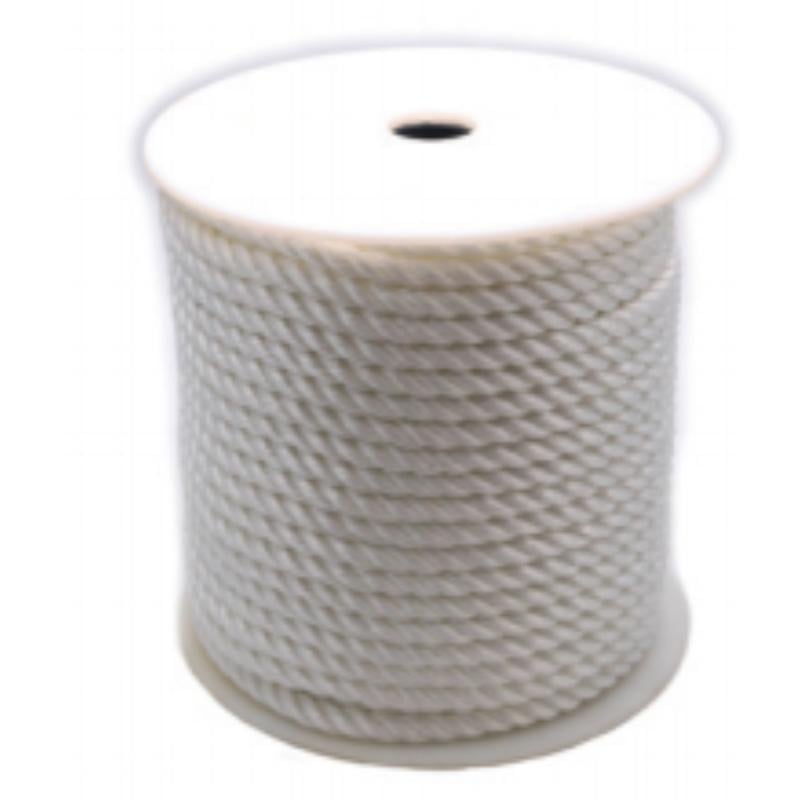
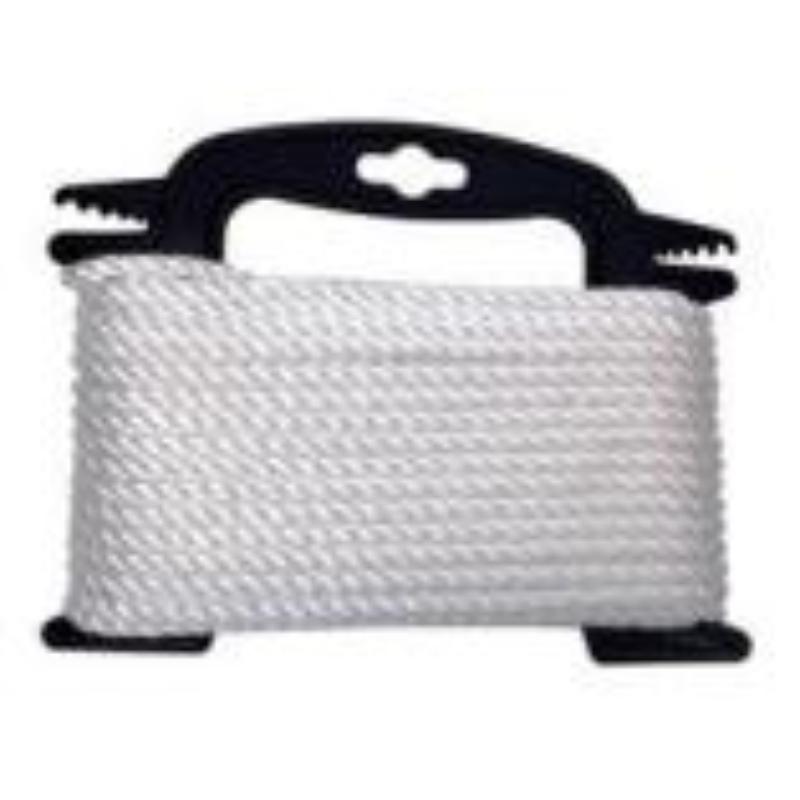
Emballagium convenire debet structurae funis et casui usus. Funus brevi braido pro emporio ferramentarum fortasse optime fungitur cum taga suspensa aut tubo. Funus longum utilitatis fortasse necesse habet bobinam. Funus recuperationis aut maritimum cum fasciculo fortasse meretur sacculum emballagii notatum, quia utentes post emptionem portare et reponere debent.
Emballagium funorum ad venditionem unum officium principale habet: adiuvare clientem recte eligere sine quaerendo auxilio venditoris.
Pro scutulis emporii, tabella anterioris partis clare ostendere debet informationem praecipuam ad emptionem:
Evita onerare frontem etiquettae textibus technicis. Frontem oportet adiuvari emptorem ut cito productum agnoscat. Informationes minuciosiores in posteriore parte cartae, tag, aut tubuli poni possunt.
Ad ostentationem in emporio, considera quomodo productum pendet aut congeritur. Cartae capitis utiles sunt pro fasciculis funium minorum. Tag pendentes bene conveniunt pro bobinis et fasciculis. Tubuli ex charta nitidi videntur pro funibus ad usum vitalem aut ornatum. Bobinae utiles sunt cum funis longior est et ordo servandus est.
Emballagium ad venditionem etiam necessitat consistentiam. Si una mensa continet funem PP, funem nylon, funem polyestere, et funem ad usus varios, codificatio per colorem secundum materiam aut applicationem adiuvat clientes ut celerius comparare possint.
Emballagium funium pro commercio electronico designandum est secundum manumissionem in magazino et deligationem parcellarum.
Productum facile identificandum est sine pacheto aperiendo. Etiquetta cum codice barra, numerus SKU, nomen producti, magnitudo, et color visibiles et constantes esse debent. Si productum in Amazon, Shopify, aut per magazinum tertium venditur, etiquettatio incorrecta aut obscura moras in accipiendo et errores in implendo causare potest.
Pachetum etiam funem compactum tenere debet. Funis laxus intra cistas moveri potest, adveniens confusus videri potest, aut parcellam maiorem quam necessarium facere potest. Pro pachetis funium pro commercio electronico, venditores saepe utuntur sacculis plasticis, etiquettis impressis, manicis notis, spirellis compactis, et sacculis pro conservando, secundum valorem producti.
Pro funibus altioris valoris, sacculus pro conservando valorem percipiendum augere potest et querelas clientium de conservando post usum minuere potest. Pro funibus utilitatis bonae pretii, sacculus plasticus mundus et etiquetta accurata fortasse sufficiunt. Decisio de pacheto producti pretium, expectationes emptoris, et pretium mittendi congruere debet.
Si instructiones necessariae sunt, inserere parvam cartam instructivam potius quam solummodo in descriptione online confidere. Clientes fortasse non ad descriptionem redeunt antequam funem utantur. Pro productis quae considerationes de securitate habent, notae et monitiones impressae de usu magis practicae sunt.
Emptores in grosso solent in cartonibus, palletis, et ordinibus repetitis cogitare.
Pro distributoribus, emballatio efficiendam receptionem et repositum efficacem debet facere. Notae in cartonibus numerum articuli, descriptionem, colorem, magnitudinem, quantitatem, pondus brutum, pondus netum, dimensiones cartonis, et notas speciales pro destinatione, si requiruntur, ostendere debent. Forma exacta ex processu magazini emptoris pendet.
Intra cartonem, funis ordine constante disponendus est. Circuli non debent inredire. Bobinae a conterendo protegendae sunt. Singulae pacheta, ubi possibile est, eandem directionem spectare debent, ut aequipes magazini cito numerare et inspicere possint.
Emballage ingrossu non debet esse simplici. Etiquettas de cartones con marcha, etiquettas interiores, e emballages unitari pulchri pote ancora sustentare vendita secunda. Sed prioritas prima est facere productum facile ad recipere, conservare, identificare, e remittere.
Achatoris industrialis curat minus de apparitu in scapha e plus de fidibilitate.
Pro ordinationes de funis industrialis, bobinas in massa, rotulas, o cartones robustos pote esse plus aptos quam emballages pro vendita ad consummatorem. Etiquettas debet esse durabiles ut remaneat legibile durante tractamento in magazino e in loco de opus. Informationes super productum debet esse clara: materia, diametro, longitudo, color, batch o referentia de articulo, e omne identificatione petitione a cliente.
Si funis erit usatus in ambiente maritimo, agricola, constructionis, mercium, o altere ambientes exigentes, emballage debet protegere productum contra sordem, umiditatem durante tractamento normali, compressionem, e abrasionem innecessari ante usum. Emballage non debet esse carum, sed debet esse practicum.
Mercatores industriales etiam signa specialia cartonum aut etiquettas producti pro tracatione interna postulare possunt. Importatores has necessitates ante productionem, non postquam funis iam pachatus est, confirmare debent.
Emballagium funis ad mensuram saepe pars est acquisitionis nominis proprii. Productum funis nominis proprii includere potest:
Pacagium debet facere ut productum videatur ut linea marcae regulatae, non ut res fabricae fortuita. Forma constans etiquettarum, typographia, color, et nominum SKU potest facere parvam seriem productorum magis professionalem videri.
Pro importatoribus qui habent multas cordas SKU, creare systema pacagii potius quam designare singula item separatim. Exempli gratia, uti unam formam etiquettarum pro omnibus cordis utilitatis, unum systema colorum pro differentiis materiae, et unam formam marcarum cartonum pro accipiendo in magazino. Hoc minuit errores et facit gestionem reordinandorum facilior.
Antequam approbatur pacagium cordarum, confirmare specificationem finalem cordarum, formatum pacagii unitatis, informationem de barcodibus et SKU, artem etiquettarum, requisita inserta, quantitatem cartonum, formam marcarum cartonum, canalum venditionis destinatum, requisita directiva magazini, et processum approbationis exemplarium.
Problema imballagii facilius corriguntur ante productionem quam postquam cartones impleti sunt. Importatores debent exemplaria diligenter recensere, inter quae orthographiam titulorum, positionem codicum bar, notas cartonum, et modum quo funis in imballagio iacet.
Ad usum e-commercialis, optima imballagia sunt compacta, scannabilia, protectiva, et clara. Sacculi polyethylenici, tituli cum codicibus bar, tuniculae cum marca, sacculi ad conservandum, et inserta instructionum communiter utuntur, secundum valorem producti et casum usus.
Imballagium funis ad venditionem in emporiis debet electionem producti faciliorem reddere. Cartae capitis, tabellae suspensae, tuniculae, bobinae, et tituli frontales translucidi auxiliantur clientes ut cito comparare possint materiam, diametrum, longitudinem, et applicationem.
If the rope has a specific application, care requirement, or safety consideration, an insert is useful. It helps customers use and store the product correctly without relying only on the online listing.
Yes. Custom rope packaging can include brand labels, hang tags, sleeves, storage bags, barcodes, carton marks, and other project-specific details depending on order requirements.
Send the rope specification, sales channel, target packaging style, logo or artwork, barcode requirements, order quantity, carton requirements, and reference photos if available.
Emballage funis debet eligeri secundum canalum venditionis, non ut res post factum. Emballage ad venditionem in tabernis necessitat clarum ostensionem in scapha. Emballage ad commercium electronicum debet protegere, scannare, et expedire efficaciter. Emballage ad venditionem in grosso debet sustinere receptionem et repositum. Emballage industriale debet prioritatem dare durabilitati, identificationi, et tractationi practicae.
Necesse est emballage funis ad mensuram pro tua linea productorum? RIOOP potest iuvare importatores ad concordandum specificata funium, branding privatum, emballage funis ad mensuram, et requisita cartonum ante productionem. Mitte tuum canalum destinatum, specificata funis, ideam emballagii, requisita artis, et quantitatem ordinis aestimatam ut petas quotationem practicam pro emballage et producto.
 Nova Calida
2026-08-07
2026-07-23
2026-07-14
2026-06-05
2026-05-22
2026-05-07