EN
EN

Isang praktikal na gabay para sa mga importer at mga nagbebenta ng private-label tungkol sa pagpili ng pakete para sa kabilya batay sa sales channel, uri ng produkto, pangangailangan sa branding, at mga kinakailangan sa warehouse
Ang pakete para sa kabilya ay hindi lamang isang huling detalye. Para sa mga importer at mga nagbebenta ng private-label, ito ay nakaaapekto sa hitsura ng produkto, kung paano ito isinisiyasat, kung paano ito kilalanin ng mga tauhan sa warehouse, kung paano ito nauunawaan ng mga customer, at kung gaano kabilis ma-reorder ang parehong SKU. Ang isang mahusay na gawang kabilya na may mahinang pakete ay maaari pa ring magdulot ng mga reklamo, nasirang carton, problema sa pag-scan, o mababang perceived value.
Ang tamang pakete ay nakasalalay sa sales channel. Ang kabilya na ibinebenta sa retail shelf ay hindi nangangailangan ng parehong presentasyon tulad ng kabilya na isinisiyasat sa isang ecommerce warehouse. Ang bulk coil para sa isang industrial buyer ay hindi dapat i-pack tulad ng isang consumer outdoor product. Bago maglagay ng production order, dapat unahin ng mga buyer ang pagpapasya kung paano ipapamigay, itatago, i-scan, ipapakita, at gagamitin ang kabilya.
Ito ay gabay kung paano pumili ng packaging para sa lubid para sa retail, ecommerce, wholesale, at industriyal na mga channel, at kung ano ang dapat ihanda ng mga importer bago humiling ng quotation.
Ang unang desisyon tungkol sa packaging ay hindi ang materyal. Ito ay ang pagkakatugma sa channel.
Packaging ng lubid para sa retail kailangang tumulong upang mahigitan ang produkto sa isang shelf o hook. Maaaring ikumpara ng mga customer ang ilang sukat o materyales sa loob lamang ng ilang segundo, kaya ang label ay dapat gawing madaling kilalanin ang uri ng lubid, diameter, haba, at aplikasyon. Ang packaging para sa retail ay kailangan din na maaaring tiisin ang paulit-ulit na paghawak, paghangga, at paggalaw sa shelf.
Packaging ng lubid para sa ecommerce ay may iba’t ibang priyoridad. Hindi maaaring ilagay ang produkto sa isang pisikal na shelf. Sa halip, kailangan nitong mabuhay sa paghawak sa warehouse, pag-scan ng barcode, pagpapadala bilang parcel, at pagbukas ng customer. Dapat protektahan ng packaging ang lubid, panatilihing compact ang produkto, at gawing malinaw ang identipikasyon ng SKU.
Packaging ng lubid para sa wholesale karaniwang mas praktikal. Ang mga distributor ay interesado sa bilang ng mga kahon, mga marka sa kahon, pagkarga sa pallet, pagtanggap sa garahe, at madaling pagre-restock. Mahalaga pa rin ang branding, ngunit ang kalinawan sa operasyon ay karaniwang mas mahalaga kaysa sa dekoratibong presentasyon.
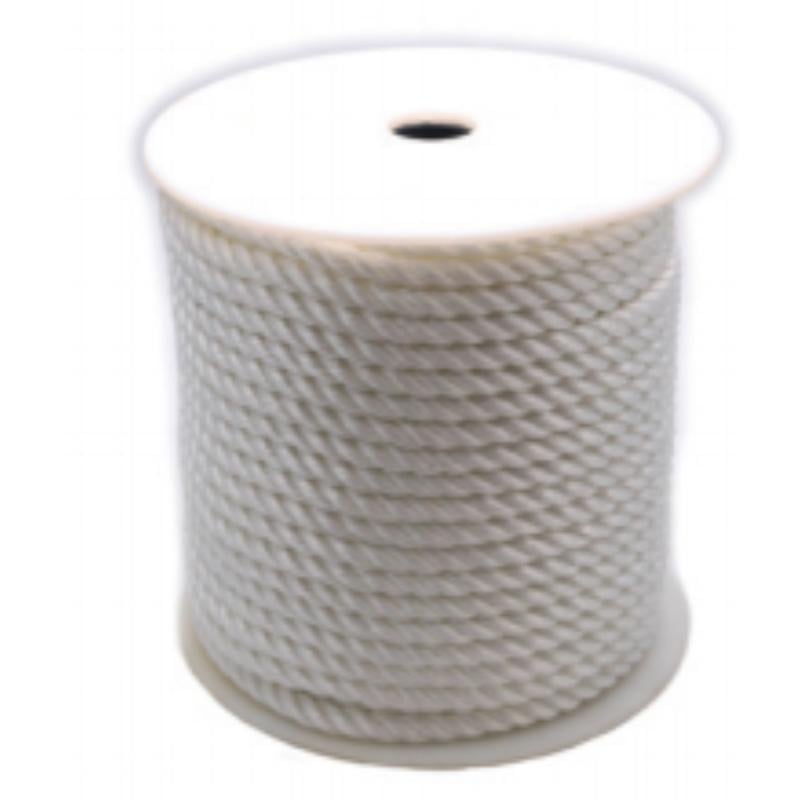
Pakete ng Industrial na Tali mas napapakonsentrar sa pagganap. Maaaring bigyang-priority ng mga buyer ang mga bulk na coil, reel, label, traceability, at paghawak sa lugar ng trabaho. Ang isang simpleng ngunit matibay na pakete ay maaaring mas mainam kaysa sa disenyo na para sa retail.
Iba-ibang produkto ng lubid ay mas epektibo sa iba't ibang format ng pakete. Kasama sa karaniwang mga opsyon ang:
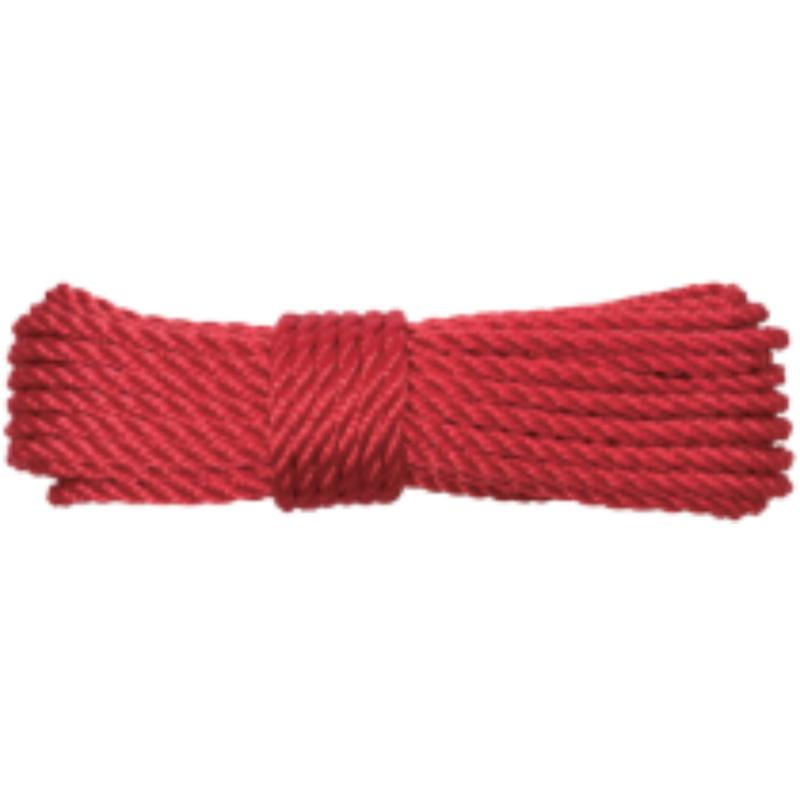
Dapat tugma ang packaging sa istruktura ng kadena at sa layunin nito. Ang maikling braided na kadena para sa hardware store ay maaaring gumana nang maayos kasama ang hang tag o sleeve. Ang mahabang utility rope ay maaaring kailanganin ng reel. Ang recovery rope o marine rope kit ay maaaring karapat-dapat ng branded storage bag dahil kailangan ng mga gumagamit na dalhin at imbakin ito pagkatapos bilhin.
Ang packaging ng rope para sa retail ay may isang pangunahing tungkulin: tulungan ang customer na pumili nang tama nang walang kailangang tanungin ang isang salesperson.
Para sa mga shelf ng tindahan, dapat ipakita ng front label ang pangunahing impormasyon para sa pagbili nang malinaw:
Huwag bigyan ng sobrang teknikal na teksto ang harap na label. Ang harap ay dapat tumulong sa mamimili na kilalanin agad ang produkto. Ang mas detalyadong impormasyon ay maaaring ilagay sa likod ng card, tag, o sleeve.
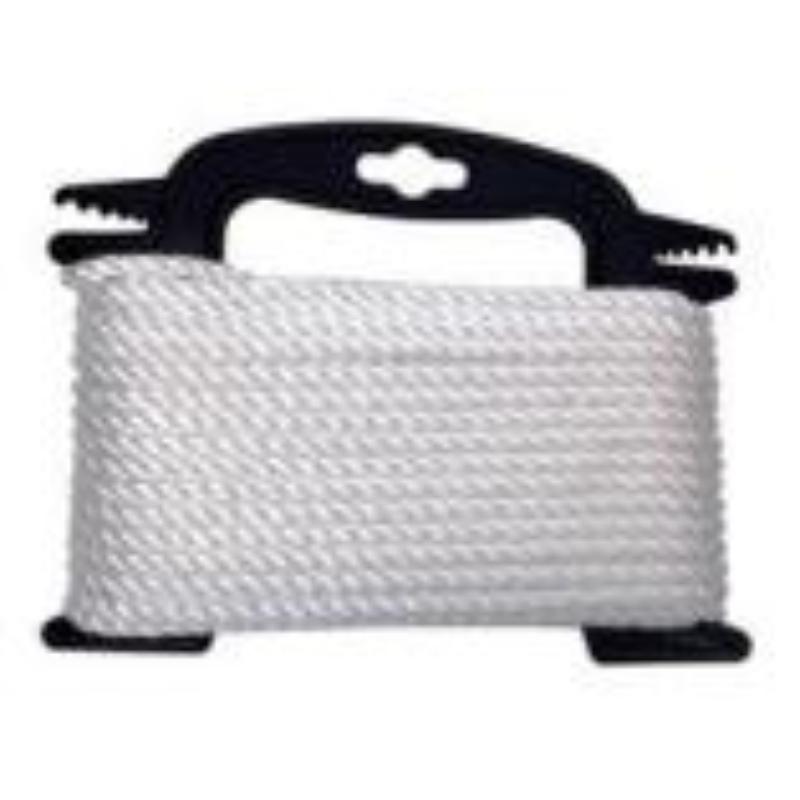
Para sa pagpapakita sa tindahan, isaalang-alang kung paano ito isisilid o itataba. Ang header cards ay kapaki-pakinabang para sa mas maliit na pack ng rope. Ang hang tags ay epektibo para sa mga coil at bundle. Ang papel na sleeve ay maaaring magmukhang malinis para sa lifestyle o dekoratibong rope products. Ang reels ay kapaki-pakinabang kapag mahaba ang rope at kailangang panatilihing maayos.
Ang packaging para sa retail ay nangangailangan din ng pagkakapareho. Kung ang isang shelf ay naglalaman ng PP rope, nylon rope, polyester rope, at utility rope, ang paggamit ng kulay ayon sa materyal o gamit ay makakatulong sa mga customer na mas mabilis na ikumpara ang mga produkto.
Ang packaging para sa ecommerce ay dapat idisenyo batay sa paghawak sa warehouse at pagpapadala ng parcel.
Dapat madaling kilalanin ang produkto nang hindi binubuksan ang kahon. Dapat makikita at pare-pareho ang label ng barcode, SKU, pangalan ng produkto, sukat, at kulay. Kung ibinebenta ang produkto sa Amazon, Shopify, o sa pamamagitan ng third-party warehouse, maaaring magdulot ng pagkaantala sa pagtanggap at mga kamalian sa pagpapadala ang mali o di-malinaw na label.
Dapat din panatilihin ng packaging ang tibay at compactness ng rope. Ang maluwag na rope ay maaaring gumalaw sa loob ng carton, magmukhang disordered kapag dumating, o gawing mas malaki ang package kaysa kailangan. Sa ecommerce rope packaging, karaniwang ginagamit ng mga seller ang polybag, printed labels, branded sleeves, compact coils, at storage bags depende sa halaga ng produkto.
Para sa mga rope na may mataas na halaga, ang storage bag ay maaaring mapabuti ang perceived value at bawasan ang mga reklamo ng customer tungkol sa pag-iimbak pagkatapos gamitin. Para sa murang utility ropes, sapat na ang malinis na polybag at tumpak na label. Ang desisyon sa packaging ay dapat tugma sa presyo ng produkto, inaasahan ng buyer, at gastos sa pagpapadala.
Kung kailangan ng mga instruksyon, isama ang maliit na insert card sa halip na umaasa lamang sa online listing. Maaaring hindi na balikan ng mga customer ang listing bago gamitin ang kadena. Para sa mga produkto na may mga pagsasaalang-alang sa kaligtasan, mas praktikal ang mga nakaimprentang paalala at babala sa paggamit.
Ang mga buyer para sa whole sale ay karaniwang naisip sa pamamagitan ng mga carton, pallet, at paulit-ulit na order.
Para sa mga distributor, ang pakete ay dapat gawing epektibo ang proseso ng pagtanggap at pagre-restock. Ang mga marka sa carton ay dapat magpakita ng item number, deskripsyon, kulay, sukat, dami, kabuuang timbang, net weight, sukat ng carton, at mga marka na partikular sa destinasyon kung kinakailangan. Ang eksaktong format ay nakasalalay sa proseso ng warehouse ng buyer.
Sa loob ng carton, dapat ay maayos at pare-pareho ang pagkakasunod-sunod ng kadena. Dapat hindi magkagulo ang mga coil kapag dumating. Protektahan ang mga reel laban sa pagpapalupot. Kung posible, dapat patungo sa iisang direksyon ang mga indibidwal na pack upang mapabilis ang pagbibilang at inspeksyon ng mga koponan sa warehouse.
Ang pakete para sa wholesale ay hindi kailangang maging simpleng kulay. Ang mga branded na label ng kahon, mga label sa loob, at malinis na unit packaging ay maaari pa ring suportahan ang muling pagbebenta. Ngunit ang unang prayoridad ay gawing madali ang pagtanggap, pag-iimbak, pagkilala, at muling pagpapadala ng produkto.
Ang mga industrial na buyer ay mas nababahala sa katiyakan kaysa sa kagandahan nito sa shelf.
Para sa mga order ng industrial na tali, ang mga bulk coil, reel, o matitibay na kahon ay maaaring higit na angkop kaysa sa mga retail pack para sa consumer. Dapat ay matibay ang mga label upang manatiling basahin habang inihahandle sa warehouse at sa job-site. Dapat ay malinaw ang impormasyon tungkol sa produkto: materyales, diameter, haba, kulay, batch o sanggunian ng item, at anumang identipikasyon na hiniling ng customer.
Kung gagamitin ang tali sa marine, agrikultura, konstruksyon, cargo, o iba pang mahihirap na kapaligiran, dapat protektahan ng pakete ang produkto laban sa dumi, kahalumhan habang inihahandle, compression, at hindi kinakailangang abrasion bago gamitin. Hindi kailangang mahal ang pakete, ngunit dapat ito ay praktikal.
Ang mga industrial buyer ay maaari ring humiling ng espesyal na carton marks o product labels para sa kanilang panloob na pagsubaybay. Ang mga importer ay dapat kumpirmahin ang mga kinakailangang ito bago ang produksyon, hindi pagkatapos na mapack ang rope.
Ang custom rope packaging ay madalas bahagi ng private-label sourcing. Ang isang private-label rope product ay maaaring kasama ang sumusunod:
Dapat gawing tila controlled brand line ang packaging ng produkto, hindi isang random factory item. Ang consistent label format, typography, kulay, at SKU naming ay maaaring gawing mas professional ang isang maliit na product range.
Para sa mga importer na may maraming uri ng lubid (rope SKUs), gumawa ng isang sistema ng pagpapakete imbes na idisenyo ang bawat item nang hiwalay. Halimbawa, gamitin ang iisang format ng label para sa lahat ng utility ropes, isang sistema ng kulay para sa mga pagkakaiba ng materyal, at isang format ng marka sa carton para sa pagtanggap sa garahe. Ito ay nababawasan ang mga kamalian at ginagawang mas madali ang pamamahala ng reorder.
Bago aprubahan ang pagpapakete ng lubid, kumpirmahin ang huling tukoy na katangian ng lubid, format ng unit packaging, impormasyon ng barcode at SKU, disenyo ng label, kinakailangan ng insert, bilang ng carton, format ng marka sa carton, target na sales channel, kinakailangan ng warehouse guide, at proseso ng pag-apruba ng sample.
Mas madali ayusin ang mga problema sa pakete bago ang produksyon kaysa pagkatapos na mapunan ang mga karton. Dapat suriin nang mabuti ng mga importer ang mga sample, kasama ang tamang ispeling ng label, posisyon ng barcode, marka sa karton, at kung paano nakakabit ang lubid sa loob ng pakete.
Para sa e-commerce, ang pinakamahusay na pakete ay kompakto, madaling basahin ng scanner, protektibo, at malinaw. Ang mga polybag, label na may barcode, branded sleeve, storage bag, at instruction insert ay karaniwang ginagamit depende sa halaga ng produkto at sa partikular na gamit nito.
Dapat gawing madali ng pakete ng retail na lubid ang pagpili ng produkto. Ang header card, hang tag, sleeve, reel, at malinaw na label sa harap ay makatutulong sa mga customer na mabilis na ikumpara ang materyal, diameter, haba, at aplikasyon.
Kung ang kadena ay may tiyak na gamit, kinakailangang alagaan, o konsiderasyon sa kaligtasan, ang isang insert ay kapaki-pakinabang. Tumutulong ito sa mga customer na gamitin at imbakin nang tama ang produkto nang hindi umaasa lamang sa online listing.
Oo. Ang custom na packaging ng kadena ay maaaring kasali ang mga brand label, hang tags, sleeves, storage bags, barcodes, carton marks, at iba pang detalye na nakabase sa proyekto depende sa mga kinakailangan ng order.
Ipadala ang specification ng kadena, sales channel, target na packaging style, logo o artwork, mga kinakailangan sa barcode, dami ng order, mga kinakailangan sa carton, at mga reference photo kung meron.
Ang pagpipilian ng packaging para sa lubid ay dapat batay sa sales channel, hindi isang bagay na inaasahan lamang sa huli. Ang retail packaging ay kailangang malinaw sa pagpapakita sa shelf. Ang ecommerce packaging ay kailangang magprotekta, mabasa ng scanner, at maipadala nang mahusay. Ang wholesale packaging ay dapat sumuporta sa pagtanggap at pagre-restock. Ang industrial packaging ay dapat bigyan ng priyoridad ang tibay, pagkakakilanlan, at praktikal na paghawak.
Kailangan mo ba ng custom na packaging para sa iyong linya ng produkto na lubid? Ang RIOOP ay makakatulong sa mga importer na i-align ang mga specification ng lubid, private-label branding, custom na packaging ng lubid, at mga kinakailangan sa carton bago ang produksyon. Magpadalá ng iyong target na channel, specification ng lubid, ideya sa packaging, mga kinakailangan sa artwork, at tinatayang dami ng order upang humiling ng praktikal na quotation para sa packaging at produkto.
 Mga Bagong Balita
2026-08-07
2026-07-23
2026-07-14
2026-06-05
2026-05-22
2026-05-07