EN
EN

Postremum actum est: Aprilis 2026
Cum funem in copia emis, quaestio prima, quam tibi suppeditator proponet — et una ex gravissimis decisionibus quas facere debes — est: «Intortusne an contortus?»
Utrumque genus eisdem materiis primis utitur: polypropyleno, polyethyleno, nylon, aut polyestere. Differentia in modo consistit quo ea fila coniunguntur; haec autem differentia determinat vim tractionis, texturam superficiei, facultatem connexiunculae (splicing), consuetudinem convolvendi, resistentiam ad radiationem ultraviolettam, deniqueque quam bene funis ad usum ultimi emptoris perficiat.
Si erraveris, reditus, iudicia negativa, aut quod gravius est, productum quod sub onere deficiat, tibi obicientur.
Hoc opusculum exacte explicat quid inter funem contortum et funem intortum distet in omnibus dimensionibus quae importatoribus, venditoribus in Amazon, ac distributoribus in massa momenti sunt. Ad finem perductus scies quod genus constructionis praecipias — et quando utile sit utrumque genus in magazino habere.
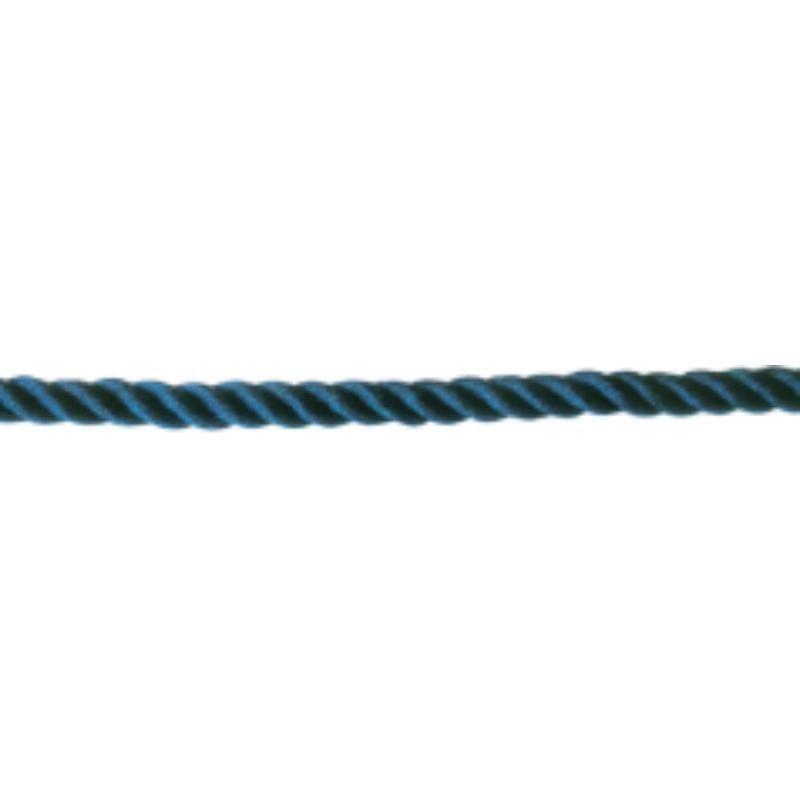
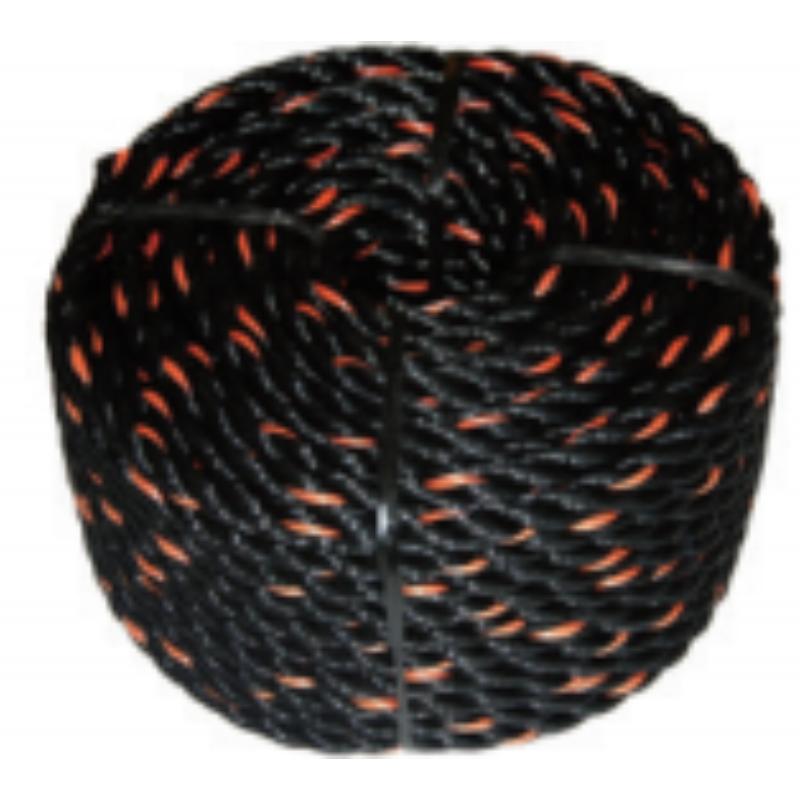
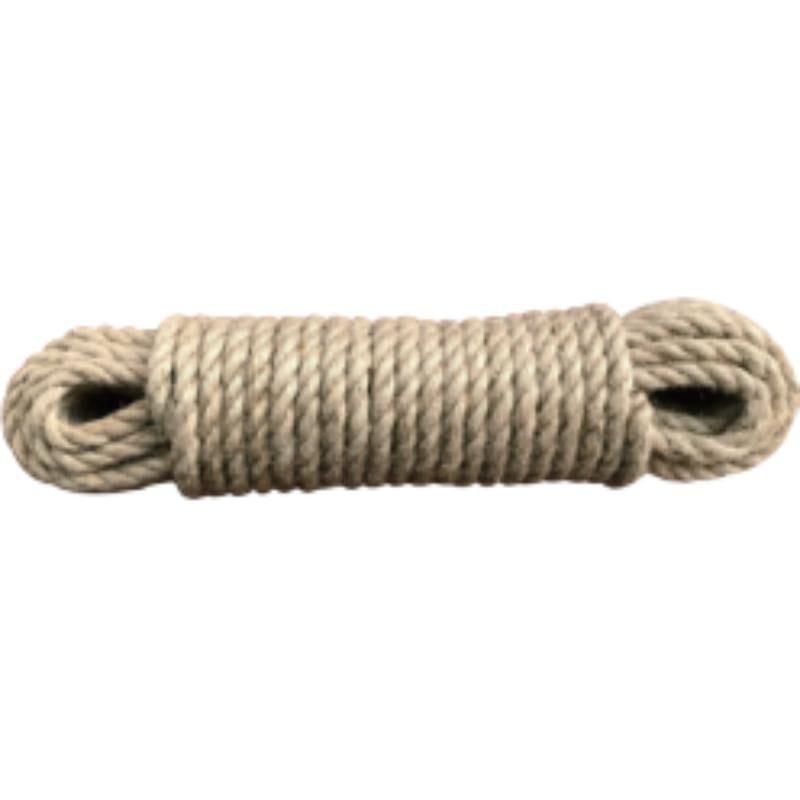
Corda contorta (quae etiam corda torquata appellatur) ex pluribus fasciculis in schemate helico facto componitur. funis Ternarius Contortus , ubi tres fasciculi fibrarum singillatim torquentur, deinde contra-torquentur circa axem commune.
Ex eo oritur corda cuius structura spiralis manifeste apparet et manu percipi potest. Haec spiralis est causa qua corda contorta se habet: scindere potest ad coniungendum, naturaliter in unam partem convolvitur, et ictus absorbet per levis compressionis fasciculorum sub onere.
Constructiones vulgares:
Materiae typicae: PP (polypropylenum), PE (polyethylenum), nylon, fibrae naturales (manila, sisal, iuta)
Funiculus intextus ex pluribus filis conficitur, quae inter se oblique alternatim super et sub aliis iunguntur—similiter ac corbis textilis. Duo sunt genera principalia:
Intextus singularis (intextus solidus): Omnia fila in eadem structura intexta percurrunt. Densus et firmus. Vulgaris in funibus vestimentorum tendendis, funibus ad usus varios, et in applicationibus oneris levis.
Intextus duplex (intextus intexto circumdatus): Nucleus intextus a vagina intexta circumdatur. Nucleus onus maximum sustinet; vagina protectionem superficiei, resistentiam adversus radiactionem ultraviolettam et commoditatem tractationis praebet. Haec est constructio praecipua in categoriis funiculorum praestantiorum: funibus navium ad adplicanda, fasciculis elevandis, funibus arboricultorum, et funibus ad onera altae specificationis secure retinenda.
Materiae typicae: PP, polyesters, nylon, UHMWPE (Dyneema), mixtae fibrae
Eadem diametro et eodem materiale, funiculus intextus duplex saepius 15–30 % fortior est quam funis contortum ex tribus fasciculis. Hoc fit, quia fibrarum parallelarum in nucleo intexto dispositio sub onere axiali efficacius adiuvat, dum autem fasciculi helicoidales in fune contorto componentem torquem inducunt, quae leviter minuit efficacem capacitem sustinendi onus.
Exempli gratia practici in polypropyleno diametri 12 mm:
Consequentia pro acquisitione: Si clientes tui funem specificant secundum requisitum minimum oneris rumpendi (MBL), funis intextus permittit te adimplere specificatio in minori diametro—quod pondus transportis et pretium per unitatem minuere potest.
Funis contortus rigidiorem habet sensum in manu. Bene resistit contortionibus sub tensione, sed naturalem habet inclinationem ad rotationem sub onere —id est, si unum caput liberum est, volvi et dissolvi potest. Haec rotatio involvationem causat et molestiam praebet in applicationibus, ubi funis per pollicos aut super cunnetas transit.
Corda intexta mollior est, flexibilior, et neutrum torque sub onere. Planata iacet, per instrumenta leniter progreditur, et facile tractatur ad temperaturas infimas. Hoc est cur corda intexta praesertim utuntur in navibus ad ligna adhaerentia, ad funes ancorarum, et in quacumque applicatione ubi facilitas tractationis momenti est.
Corda contorta manu facile coniungi possunt. Structura helicalis aperta permittit artifici peritus ut fasciculos inserat paucis minutis. Coniunctiones oculares, coniunctiones breves, et coniunctiones retro sunt omnes operationes communes. Haec res ad librarias, distributores nauticos, et emptores agricolas pertinet, qui necessitant cordas ad mensuram cum extremis perfectis.
Corda intexta magis artem et instrumenta specialia postulant ut pulchre coniungantur. Coniunctio oculi duplex intexta saepius tempus consumit et tam nucleum quam tunicam separatim considerare debet. Aliquae constructiones intextae ad coniungendum designatae sunt; aliae non sunt. Si tui clientes saepe cordas in loco coniungunt, cordas contortas specifica.
Superficies arcta et aequa funis intorti frictionem aequaliter distribuit per multos puncta contactus, ita ut resistentia ad abradendum ei praestet funi contorto eiusdem materiae. In applicationibus ubi funis super superficies asperas movetur—catenae anchorarum, bollardi, uncini onerum, cortex arborum—funis intortus diutius durabit quam funis contortus.
Haec res magis pendet ex materia et additivis quam ex structura, sed superficies arcta et densior funis intorti modicum meliorem resistere potest radiationi ultraviolettae, quoniam fibras internas a directa solis expositione protegit. Pro applicationibus exterioribus et agrariis, semper confirmate gradum stabilizatoris UV apud vestrum suppeditatorem, sive quae sit structura.
Funis contortus minus constat ad fabricandum et ideo minus ad emendum. Processus fabricationis simplicior est (pauciores machinae, minora instrumentorum complexitas, maior celeritas producti per metrum) et utilisatio materiae prima maior est. Ad aequivalentem diametrum et materiam:
Pro applicationibus generalibus, quae ad pretium sunt sensibiles—ligamina in locis aedificiorum, impacatio, agricultura—funis contortus meliorem marginem praebet. Pro lineis pretiosioribus venditionis aut pro productis notis, ubi qualitas percepta valet, funis intextus altiorem pretium venditionis habet et altiorem pretii ingrossi rationem iustificat.
| Property | funis Ternarius Contortus | Încrețare Dublă |
|---|---|---|
| Vis trahens (eodem diametro) | Linea fundi | 15–30 % altior |
| Rotatio oneris sub tensione | Rotat / discontorquetur | Neutrum torque |
| Flexibilitas et Manipulatio | Rigidior | Mollis, manui facilior |
| Facilitas coniungendi | Facile, manu | Postulat peritiam et instrumenta |
| Resistentia ad abrasionem | Moderatus | Altus |
| UV Resistentia | Moderatus | Paulo melius |
| Fabricationis Pretium | Inferior | Superior |
| Constitutio pretii ad venditionem | Oeconomica / utilis | Media ad praemium |
Si distributor instrumentōrum es aut venditor Amazon multōrum articulōrum, responsum plerumque utrumque est. Funis contortus ut linea tua initīālis/ēconomica, funis intextus ut articulī mediī et praecipuī gradūs. Hoc tibi permittit adfīnīre totum spectrūm emptōrum sine restrictione ad unam tantum structūram.
Electiō structūrae est tantum dimidia aequātiōnis. Funis bene factus trīgeminus ex nylon superat in plērīs metrīs fortītūdinis funem īnfīrmum intextum ex polypropylēnō. Cum ad suppeditātōrem tuum scribis, semper specificā tam māteriam quam structūram :
Omissiō alterīus variābilis substitutionem invītat.
Lectiō adnexa: Si incertus es quae māteria cum electā structūrā specificanda sit, vide manuālem nostrum: Quomodo Funem Directe a Fabrica Sinica Sumere Possis et nostris Index Typorum Funis Plasticorum ut plene explicentur commoda et incommoda polypropyleni (PP), polyethyleni (PE), nylonis, et polyestri.
RIOOP fabricat tam funes contortos quam intreligatos syntheticos in nostra fabrica Tai’an, quae includit:
Utraque series productorum pro magnis ordinibus ad pretium venditur, cum minimo quantitatis ordine (MOQ) flexibili, secundum specificata. Etiquettatio ad mensuram, impressio cartarum convolutorum, et conditio apta ad distributionem per Amazon FBA ad petitionem praebentur.
Q: Num funis intreligatus semper fortior est quam funis contortus?
Pro eodem diametro et materia, funis dupliciter intextus saepe habet onus rumpendi minimum 15–30 % maius quam funis tergastrus. Tamen funis tergastrus ex fortiori materia factus (p. ex., tergastrus ex nylon versus intextus ex polypropileno) fortasse superat optionem intextam. Semper confer figuram MBL in schedula technica suppeditantis, non autem supponas vim ex sola constructione pendere.
Q: Num funem intextum ipse coniungere possum?
Hoc dependet a constructione. Funis singulatim intextus generaliter non est ad coniungendum in loco destinatus. Funis dupliciter intextus coniungi potest, si instrumenta idonea et ars recta adhibeantur; tamen hoc multo magis arduum est quam coniunctio funis tergastrī communis. Si tui clientes funem in loco saepe coniungunt, funis tergastrus est specificatio practicior.
Q: Cur funis tergastrus sub pondere rotat?
Structura helicis filamentorum energiam torsionem accumulat, cum trahitur. Cum unum extremum funis libere rotare potest, haec energia in rotationem solvitur. Hoc est cur funis contortus non idoneus sit ad levationem ex uno puncto aut ad quaslibet applicationes, in quibus rotatio funis problemata parit. Constructio duplicis intexturae naturaliter aequilibrat torquem et hanc proprietatem non ostendit.
Q: An funis intextus melior est ad usum forinsecus?
Structura densior tegumenti funis intexti praebet protectionem paulo meliorem adversus radiationem ultraviolettam et abradendum. Tamen materia magis quam constructio valet ad performancem adversus radiationem ultraviolettam—quaerere oportet polypropylenum aut polyesterem cum additivis stabilizantibus altissimae gradus contra radiationem ultraviolettam, non tantum in constructione confidere. Interroga suppeditatorem tuum ut specifict typum et dosim stabilizantis contra radiationem ultraviolettam enuntiet.
Q: Quae est differentia pretii inter funem contortum et funem intextum in quantitatibus magnis?
In aequivalente polypropylene ad diametros normales, funis torsus tristrangulatus typice minorem pretium habet 15–25 % per metrum quam funis dupliciter intortus. Haec differentia variat secundum materiam: minor est pro polyestere et nylon, maior pro polypropylene inferioris generis. Ad praecia specifica pro tua specificatione petita, nobiscum congredere, indicans diametrum, materiam et quantitatem.
Q: Quae constructio melior est pro enumerationibus in Amazon?
Funis intortus saepius melius valet in commercio electronico, quia pulchrius repraesentatur in imaginibus, altiorem qualitatem sensu percipitur ab emptore finali, et pauciores querelae de tractatione aut specie oriuntur. Pro funibus utilitariis et agrariis, funis torsus plene idoneus est, et huiusmodi funes a clientibus exspectantur.
Sive necessitas est tibi funis torsus communis ad distributionem sive funis intortus praemium ad venditionem in tabernis et commercio electronico, RIOOP utramque constructionem suppeditare potest per omnem amplitudinem materiales syntheticas.
Ad optinendum gratuitum aestimationem, RIOOP contace →
Nobis indicā diameterem propositam, materiam, structūram, longitudinem per spīram et volumen mensuale apprōximātum. Nostrum ōrdō respondet intra unum diem operārium.
 Nuntii Calidi
2026-09-01
2026-08-07
2026-07-23
2026-07-14
2026-06-05
2026-05-22