EN
EN

अंतिम अद्यतन: अप्रैल 2026
जब आप रस्सी का बल्क ऑर्डर दे रहे होते हैं, तो आपके आपूर्तिकर्ता द्वारा पूछे जाने वाले प्रथम प्रश्नों में से एक होता है—"ट्विस्टेड या ब्रेडेड?"—और यह आपके द्वारा किए जाने वाले सबसे महत्वपूर्ण निर्णयों में से एक है।
दोनों निर्माण प्रकार समान कच्चे माल का उपयोग करते हैं: पॉलीप्रोपिलीन, पॉलीएथिलीन, नाइलॉन या पॉलिएस्टर। अंतर इन फाइबर्स को कैसे एकत्रित किया जाता है, इसमें होता है; और यह अंतर तन्य शक्ति, सतह का बनावट, स्प्लाइस करने की क्षमता, कुंडलित होने का व्यवहार, यूवी प्रतिरोधकता और अंततः आपके अंतिम ग्राहक के लिए रस्सी के प्रदर्शन को निर्धारित करता है।
यदि आप गलत चुनाव करते हैं, तो आपको वापसी, नकारात्मक समीक्षाओं या और भी बुरा—भार के तहत विफल होने वाले उत्पाद का सामना करना पड़ सकता है।
यह मार्गदर्शिका आयातकों, अमेज़न विक्रेताओं और थोक वितरकों के लिए महत्वपूर्ण प्रत्येक आयाम के आधार पर ट्विस्टेड रस्सी और ब्रेडेड रस्सी के बीच के सटीक अंतर को कवर करती है। इसके अंत तक, आप जान जाएँगे कि किस प्रकार के निर्माण को निर्दिष्ट करना है—और कब दोनों के स्टॉक करने का तर्कसंगत होना है।
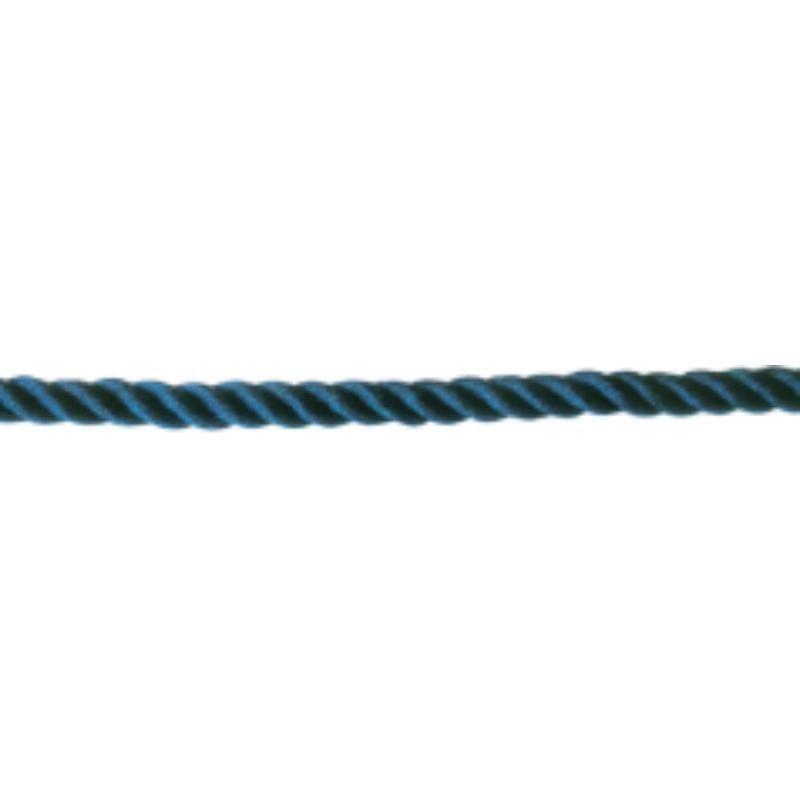
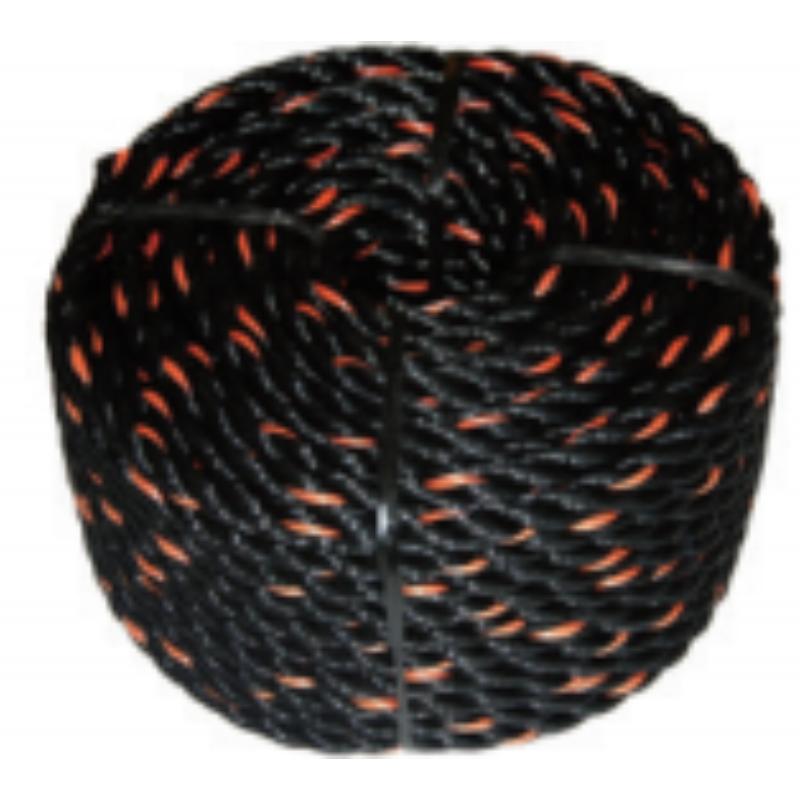
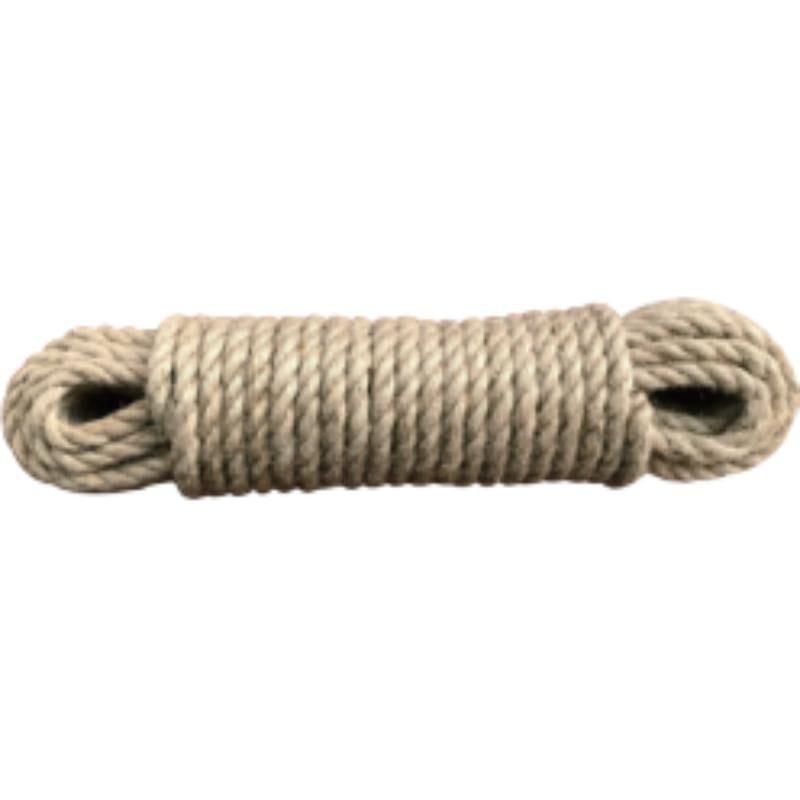
मरोड़ वाली रस्सी (जिसे लेड रस्सी भी कहा जाता है) को कई तारों या धागों को एक कुंडलाकार पैटर्न में मरोड़कर बनाया जाता है। सबसे आम विन्यास है 3-तार की मरोड़ी , जिसमें तीन फाइबर के गुच्छों को पृथक रूप से मरोड़ा जाता है और फिर उन्हें एक सामान्य अक्ष के चारों ओर विपरीत दिशा में मरोड़ा जाता है।
परिणामस्वरूप एक रस्सी प्राप्त होती है जिसमें स्पष्ट रूप से दिखाई देने वाली कुंडलाकार संरचना होती है, जिसे आप अपने हाथ से महसूस कर सकते हैं। यह कुंडलाकार संरचना मरोड़ वाली रस्सी के व्यवहार की कुंजी है: इसे स्प्लाइसिंग के लिए खोला जा सकता है, यह प्राकृतिक रूप से एक दिशा में लपेटती है, और यह भार के अधीन तारों को थोड़ा सा संपीड़ित होने देकर झटके को अवशोषित करती है।
सामान्य निर्माण:
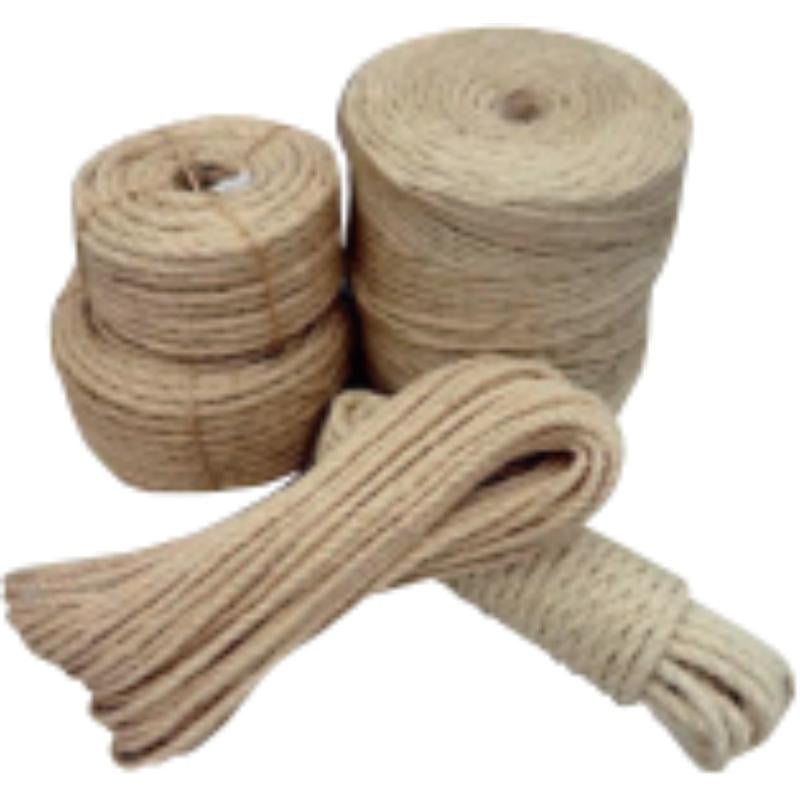
सामान्य सामग्री: PP (पॉलीप्रोपिलीन), PE (पॉलीएथिलीन), नायलॉन, प्राकृतिक फाइबर (मैनिला, सिसल, जूट)
ब्रेडेड रस्सी को कई धागों को एक विकर्ण पैटर्न में एक-दूसरे के ऊपर और नीचे बुनकर बनाया जाता है—जैसे कि टोकरी को बुना जाता है। इसके दो मुख्य प्रकार हैं:
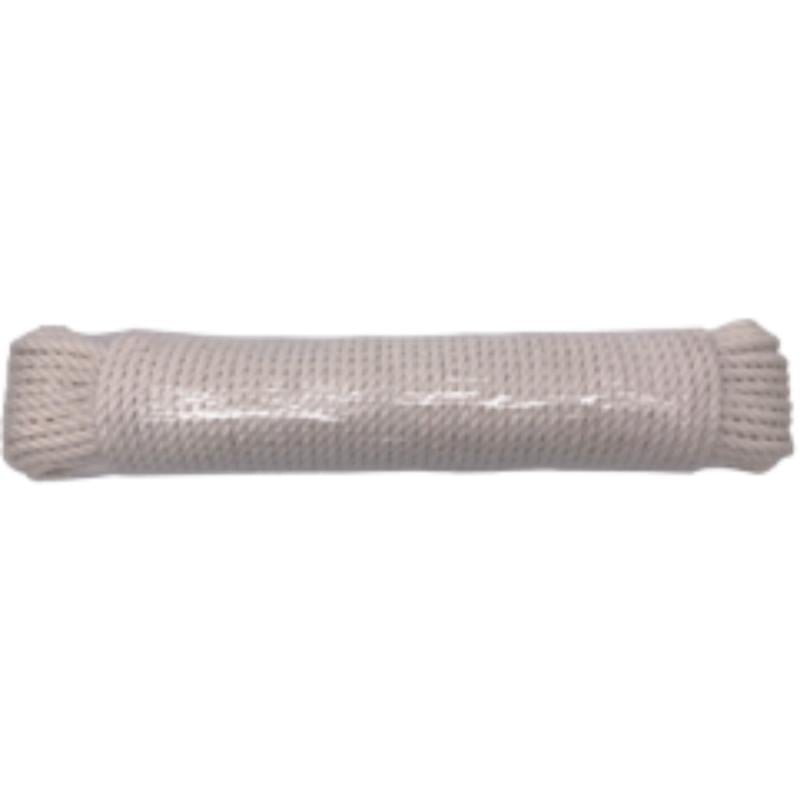
सिंगल ब्रेड (सॉलिड ब्रेड): सभी धागे एक ही बुने हुए संरचना के माध्यम से गुजरते हैं। घनी और मजबूत। यह आमतौर पर कपड़े सुखाने की रस्सी, उपयोगिता रस्सी और कम भार वाले अनुप्रयोगों में पाई जाती है।
डबल ब्रेड (ब्रेड-ऑन-ब्रेड): एक बुनी हुई कोर जिसे एक बुनी हुई शीथ द्वारा ढका गया है। कोर अधिकांश भार को सहन करती है; शीथ सतह संरक्षण, यूवी प्रतिरोध और संभालने की सुविधा प्रदान करती है। यह उच्च-गुणवत्ता वाली रस्सियों के लिए प्रमुख निर्माण विधि है: समुद्री डॉक लाइन्स, लिफ्टिंग स्लिंग्स, वृक्ष विशेषज्ञ रस्सियाँ और उच्च-विशिष्टता वाले माल सुरक्षण के लिए।
सामान्य सामग्री: पॉलीप्रोपिलीन, पॉलिएस्टर, नायलॉन, अल्ट्रा-हाई-मॉलिक्युलर-वेट पॉलीइथिलीन (डायनीमा), मिश्रित फाइबर मिश्रण
समान व्यास और सामग्री के लिए, डबल-ब्रेड रस्सी आमतौर पर 15–30% अधिक मजबूत होती है 3-तार के मरोड़े गए रस्सी की तुलना में। ऐसा इसलिए है क्योंकि ब्रेडेड कोर में समानांतर फाइबर अक्षीय भार के तहत अधिक कुशलता से संरेखित होते हैं, जबकि मरोड़े गए रस्सी में हेलिकल तारों के कारण एक टॉर्क घटक पैदा होता है जो प्रभावी भार-वहन क्षमता को थोड़ा कम कर देता है।
12 मिमी व्यास के पॉलीप्रोपिलीन में एक व्यावहारिक उदाहरण के लिए:
आपूर्ति का निहितार्थ: यदि आपके ग्राहक न्यूनतम टूटने के भार (MBL) आवश्यकता के आधार पर रस्सी का निर्दिष्टीकरण कर रहे हैं, तो ब्रेडेड रस्सी आपको छोटे व्यास पर विनिर्दिष्टीकरण को पूरा करने की अनुमति देती है—जिससे शिपिंग का वजन और प्रति इकाई लागत कम हो सकती है।
मरोड़े गए रस्सी को हाथ में अधिक कठोर महसूस किया जाता है। यह तनाव के तहत किंकिंग का प्रतिरोध करता है, लेकिन इसमें एक प्राकृतिक प्रवृत्ति होती है भार के तहत घूर्णन करने की —अर्थात् यदि एक सिरा मुक्त है, तो यह घूम सकता है और अपने आप खुल सकता है। यह घूर्णन कुंडलित करते समय उलझन पैदा करता है और उन अनुप्रयोगों में एक झंझट बन सकता है जहाँ रस्सी पुलियों के माध्यम से या क्लीट्स के ऊपर से गुजरती है।
ब्रेडेड रस्सी नरम, अधिक लचीली होती है और टॉर्क-तटस्थ लोड के तहत। यह सपाट रूप से बिछती है, हार्डवेयर के माध्यम से सुग्गी ढंग से फीड होती है, और कम तापमान पर इसका संचालन आसानी से किया जा सकता है। यही कारण है कि समुद्री डॉक लाइन्स, एंकर रोड्स और किसी भी ऐसे अनुप्रयोग के लिए जहाँ संचालन की सुविधा महत्वपूर्ण हो, ब्रेडेड रस्सी को ओवरव्हेल्मिंगली प्राथमिकता दी जाती है।
ट्विस्टेड रस्सी को हाथ से जोड़ना आसान होता है। खुली हेलिकल संरचना के कारण एक कुशल कर्मचारी कुछ मिनटों में तारों को घुमाकर जोड़ सकता है। आई स्प्लाइस, शॉर्ट स्प्लाइस और बैक स्प्लाइस सभी मानक संचालन हैं। यह हार्डवेयर स्टोर्स, समुद्री वितरकों और कृषि खरीदारों के लिए महत्वपूर्ण है जिन्हें अंतिम छोरों के साथ कस्टम-लंबाई की रस्सियों की आवश्यकता होती है।
ब्रेडेड रस्सी को साफ़-सुथरा जोड़ने के लिए अधिक कौशल और विशिष्ट उपकरणों की आवश्यकता होती है। डबल-ब्रेड आई स्प्लाइस को आमतौर पर अधिक समय लगता है और इसमें कोर और शीथ दोनों को अलग-अलग ध्यान में रखना आवश्यक होता है। कुछ ब्रेडेड निर्माणों को जोड़ने के लिए डिज़ाइन किया गया है; अन्य नहीं हैं। यदि आपके ग्राहक अपनी रस्सी को नियमित रूप से साइट पर जोड़ते हैं, तो ट्विस्टेड रस्सी का निर्दिष्टीकरण करें।
ब्रेडेड रस्सी की कसी हुई, समान सतह कई संपर्क बिंदुओं पर घर्षण को समान रूप से वितरित करती है, जिससे इसकी क्षरण प्रतिरोध क्षमता समान सामग्री की मरोड़ी गई रस्सी की तुलना में उत्कृष्ट हो जाती है। उन अनुप्रयोगों में जहाँ रस्सी खुरदुरी सतहों पर फिसलती है—जैसे एंकर चेन, बॉलर्ड्स, कार्गो हुक्स, पेड़ की छाल—ब्रेडेड रस्सी मरोड़ी गई रस्सी की तुलना में अधिक समय तक चलती है।
यह अधिकांशतः सामग्री और योजकों पर निर्भर करता है, न कि निर्माण पर; हालाँकि, ब्रेडेड रस्सी की कसी हुई, घनी सतह आंतरिक तंतुओं को प्रत्यक्ष सूर्य प्रकाश से बचाकर थोड़ी बेहतर यूवी प्रतिरोध क्षमता प्रदान करती है। बाहरी और कृषि अनुप्रयोगों के लिए, निर्माण पद्धति के बावजूद, हमेशा अपने आपूर्तिकर्ता से यूवी स्थायीकरण ग्रेड की पुष्टि कर लें।
मरोड़ी गई रस्सी के निर्माण की लागत कम होती है और इसलिए इसकी खरीद की लागत भी कम होती है। उत्पादन प्रक्रिया सरल है (कम मशीनें, कम उपकरण जटिलता, प्रति मीटर तेज़ उत्पादन) और कच्चे माल का उपयोग अधिक कुशल है। समान व्यास और सामग्री के लिए:
कीमत-संवेदनशील सामान्य उद्देश्य के अनुप्रयोगों—निर्माण स्थल पर बंधन, पैकेजिंग, कृषि—के लिए, मरोड़ी रस्सी बेहतर मार्जिन प्रदान करती है। प्रीमियम खुदरा या ब्रांडेड उत्पाद लाइनों के लिए, जहाँ धारण की गई गुणवत्ता महत्वपूर्ण होती है, बुनी हुई रस्सी उच्च खुदरा मूल्य प्राप्त करती है और उच्च थोक लागत को भी औचित्यपूर्ण ठहराती है।
| संपत्ति | 3-तार की मरोड़ी | डबल ब्रेड |
|---|---|---|
| तन्य शक्ति (समान व्यास) | आधार रेखा | 15–30% अधिक |
| तनाव के अधीन भार घूर्णन | घूर्णन / अनट्विस्ट होता है | टॉर्क-तटस्थ |
| लचीलापन और हैंडलिंग | कठोर | नरम, संभालने में आसान |
| जोड़ने की क्षमता | हाथ से आसानी से | कौशल और उपकरणों की आवश्यकता होती है |
| घर्षण प्रतिरोध | मध्यम | उच्च |
| यूवी प्रतिरोध | मध्यम | थोड़ा बेहतर |
| विनिर्माण लागत | नीचे | उच्च |
| खुदरा मूल्य स्थिति | अर्थव्यवस्था / उपयोगिता | मध्यम से प्रीमियम |
यदि आप हार्डवेयर वितरक या बहु-एसकेयू अमेज़न विक्रेता हैं, तो उत्तर आमतौर पर दोनों होता है। ट्विस्टेड रस्सी आपकी एंट्री-लेवल/आर्थिक लाइन के रूप में, और ब्रेडेड रस्सी आपकी मिड-रेंज और प्रीमियम एसकेयू के रूप में। इससे आप एकल निर्माण पर सीमित हुए बिना खरीदारों के पूरे वर्णक्रम की सेवा कर सकते हैं।
निर्माण का चयन केवल समीकरण का आधा हिस्सा है। एक अच्छी तरह से निर्मित 3-स्ट्रैंड नायलॉन रस्सी अधिकांश शक्ति मापदंडों में कम गुणवत्ता वाली ब्रेडेड पॉलीप्रोपिलीन रस्सी को पीछे छोड़ देगी। जब आप अपने आपूर्तिकर्ता को निर्देश दे रहे हों, तो हमेशा निर्दिष्ट करें दोनों सामग्री और निर्माण :
किसी भी चर को अनिर्दिष्ट छोड़ने से प्रतिस्थापन की संभावना उत्पन्न होती है।
संबंधित पठन: यदि आप अपने चुने हुए निर्माण के साथ निर्दिष्ट करने के लिए कौन सी सामग्री चुनें, इसके बारे में अनिश्चित हैं, तो हमारे मार्गदर्शिका को देखें: चीन के एक कारखाने से रस्सी को सीधे कैसे स्रोत करें और हमारे प्लास्टिक की रस्सियों के प्रकारों का मार्गदर्शिका पॉलीप्रोपिलीन (PP), पॉलीथीन (PE), नायलॉन और पॉलिएस्टर के व्यापारिक समझौतों के पूर्ण विश्लेषण के लिए।
RIOOP हमारी ताइ'आन सुविधा में ट्विस्टेड और ब्रेडेड दोनों प्रकार की सिंथेटिक रस्सियाँ निर्मित करता है, जिसमें शामिल हैं:
दोनों उत्पाद लाइनें बल्क व्होलसेल ऑर्डर के लिए उपलब्ध हैं, जिनकी न्यूनतम ऑर्डर मात्रा (MOQ) विशिष्टता के आधार पर लचीली है। कस्टम लेबलिंग, कॉइल कार्ड प्रिंटिंग और FBA-तैयार पैकेजिंग अनुरोध पर उपलब्ध हैं।
प्रश्न: क्या ब्रेडेड रस्सी हमेशा ट्विस्टेड रस्सी से मजबूत होती है?
समान व्यास और सामग्री के लिए, डबल-ब्रेड रस्सी का न्यूनतम टूटने का भार आमतौर पर 3-स्ट्रैंड ट्विस्टेड रस्सी की तुलना में 15–30% अधिक होता है। हालाँकि, एक मजबूत सामग्री (उदाहरण के लिए, नायलॉन ट्विस्टेड बनाम पॉलीप्रोपिलीन ब्रेडेड) से बनी ट्विस्टेड रस्सी ब्रेडेड विकल्प को आसानी से पीछे छोड़ सकती है। हमेशा शक्ति का निर्धारण करने के लिए केवल निर्माण के आधार पर अनुमान लगाने के बजाय आपूर्तिकर्ता के विशिष्टता शीट में दिए गए एमबीएल (MBL) आंकड़ों की तुलना करें।
प्रश्न: क्या मैं स्वयं ब्रेडेड रस्सी को स्प्लाइस कर सकता हूँ?
यह निर्माण पर निर्भर करता है। सिंगल-ब्रेड रस्सी आमतौर पर फ़ील्ड स्प्लाइसिंग के लिए डिज़ाइन नहीं की जाती है। डबल-ब्रेड रस्सी को उचित उपकरणों और तकनीक के साथ स्प्लाइस किया जा सकता है, लेकिन इसमें एक मानक ट्विस्टेड रस्सी स्प्लाइस की तुलना में काफी अधिक कौशल की आवश्यकता होती है। यदि आपके ग्राहक नियमित रूप से साइट पर रस्सी को स्प्लाइस करते हैं, तो ट्विस्टेड रस्सी अधिक व्यावहारिक विनिर्देश है।
प्रश्न: ट्विस्टेड रस्सी भार के अधीन क्यों घूमती है?
हेलिकल स्ट्रैंड संरचना तनावित होने पर टॉर्शनल ऊर्जा को संग्रहीत करती है। जब रस्सी का एक सिरा घूमने के लिए स्वतंत्र होता है, तो यह ऊर्जा घूर्णन के रूप में मुक्त हो जाती है। यही कारण है कि मरोड़ी गई रस्सी एकल-बिंदु उठाने या किसी भी ऐसे अनुप्रयोग के लिए आदर्श नहीं है जहाँ रस्सी का घूमना समस्याएँ पैदा करता है। डबल-ब्रेड संरचना स्वतः ही टॉर्क-संतुलित होती है और इस व्यवहार को प्रदर्शित नहीं करती है।
प्रश्न: क्या बाहरी उपयोग के लिए ब्रेडेड रस्सी बेहतर है?
ब्रेडेड रस्सी की अधिक कसी हुई शीथ संरचना UV और घर्षण के खिलाफ सीमित रूप से बेहतर सुरक्षा प्रदान करती है। हालाँकि, UV प्रदर्शन के लिए संरचना की तुलना में सामग्री अधिक महत्वपूर्ण है—उच्च-ग्रेड UV स्थायीकरण युक्त पॉलीप्रोपिलीन या पॉलिएस्टर की तलाश करें, बजाय केवल संरचना पर निर्भर रहने के। अपने आपूर्तिकर्ता से UV स्थायीकरण के प्रकार और मात्रा के बारे में विशिष्ट जानकारी माँगें।
प्रश्न: थोक में मरोड़ी गई और ब्रेडेड रस्सी के बीच मूल्य में क्या अंतर है?
मानक व्यास के समकक्ष पॉलीप्रोपिलीन में, 3-तार की मरोड़ित रस्सी की प्रति मीटर लागत डबल-ब्रेड रस्सी की तुलना में आमतौर पर 15–25% कम होती है। यह अंतर सामग्री के आधार पर भिन्न होता है—यह पॉलिएस्टर और नायलॉन के लिए छोटा होता है, जबकि कम श्रेणी के पॉलीप्रोपिलीन के लिए बड़ा होता है। आपके लक्ष्य विनिर्देश के लिए विशिष्ट मूल्य निर्धारण के लिए, कृपया हमें अपने व्यास, सामग्री और मात्रा के साथ संपर्क करें।
प्रश्न: अमेज़न सूचियों के लिए कौन सा निर्माण बेहतर है?
ई-कॉमर्स में ब्रेडेड रस्सी आमतौर पर बेहतर प्रदर्शन करती है, क्योंकि इसकी फोटोग्राफी अधिक आकर्षक होती है, अंतिम ग्राहक को यह उच्च गुणवत्ता की लगती है, और इससे हैंडलिंग या उपस्थिति से संबंधित शिकायतें कम उत्पन्न होती हैं। उपयोगिता कॉर्ड और कृषि रस्सी के लिए, मरोड़ित रस्सी पूर्णतः उपयुक्त है और ग्राहक इसकी अपेक्षा करते हैं।
चाहे आप वितरण के लिए वस्तु-आधारित मरोड़ित रस्सी की आवश्यकता हो या खुदरा और ई-कॉमर्स के लिए प्रीमियम ब्रेडेड रस्सी की, RIOOP सभी संश्लेषित सामग्रियों की पूर्ण श्रृंखला में दोनों प्रकार की रस्सियाँ आपूर्ति कर सकता है।
मुफ्त कोटेशन के लिए RIOOP से संपर्क करें →
हमें अपना लक्षित व्यास, सामग्री, निर्माण, प्रति कुंडल लंबाई और अनुमानित मासिक मात्रा बताएं। हमारी टीम एक कार्यदिवस के भीतर आपको उत्तर देगी।
 गर्म समाचार
2026-09-01
2026-08-07
2026-07-23
2026-07-14
2026-06-05
2026-05-22