 EN
EN

Comprehensive resource for polypropylene danline rope material properties, marine applications, fishing industry uses, and expert selection criteria for optimal performance.
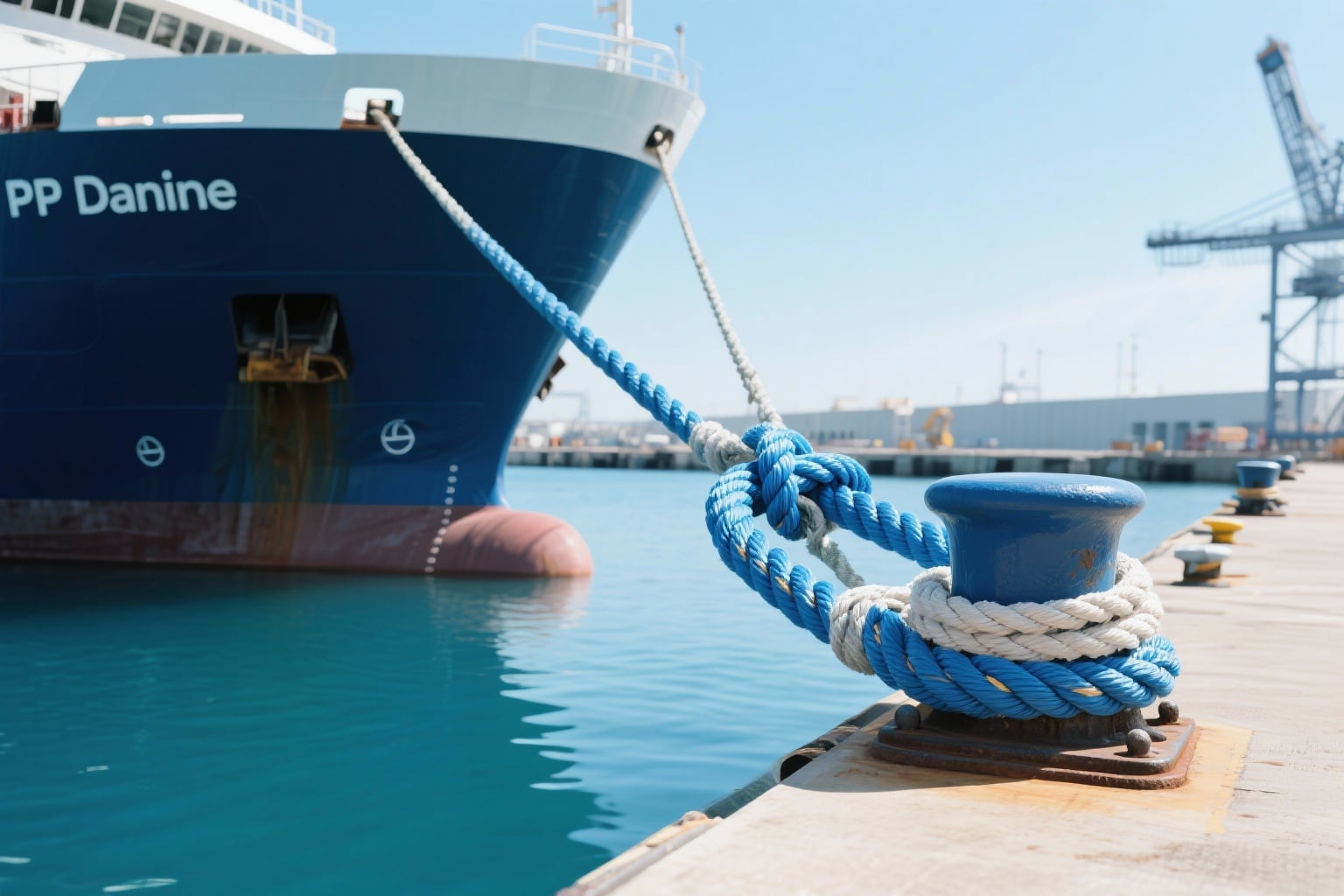
Understanding the fundamental characteristics that make PP danline rope the preferred choice for marine and industrial applications.

PP danline rope has a density of 0.91 g/cm³, making it lighter than water. This inherent buoyancy ensures the rope floats on water surfaces, crucial for marine rescue operations and preventing equipment loss.

Exceptional resistance to acids, alkalis, oils, organic solvents, and seawater corrosion. The rope maintains structural integrity in harsh chemical environments where natural fibers would degrade rapidly.
Advanced UV stabilization prevents degradation from prolonged sun exposure. Treated polypropylene fibers resist photo-oxidation, maintaining strength and flexibility even in tropical conditions.
PP danline rope is manufactured from high-quality polypropylene, a thermoplastic polymer derived from petrochemical raw materials. The manufacturing process involves converting resin pellets into continuous monofilament or multifilament fibers, followed by precision twisting or braiding to create the final rope structure.
The danline manufacturing process represents a significant advancement over traditional polypropylene rope production. Specialized polysteel yarn technology creates fibers with superior durability and uniform lay characteristics. This process ensures consistent diameter control, improved knot-holding capability, and enhanced resistance to slippage under load.
Discover the diverse range of industries and scenarios where PP danline rope excels due to its unique combination of properties.
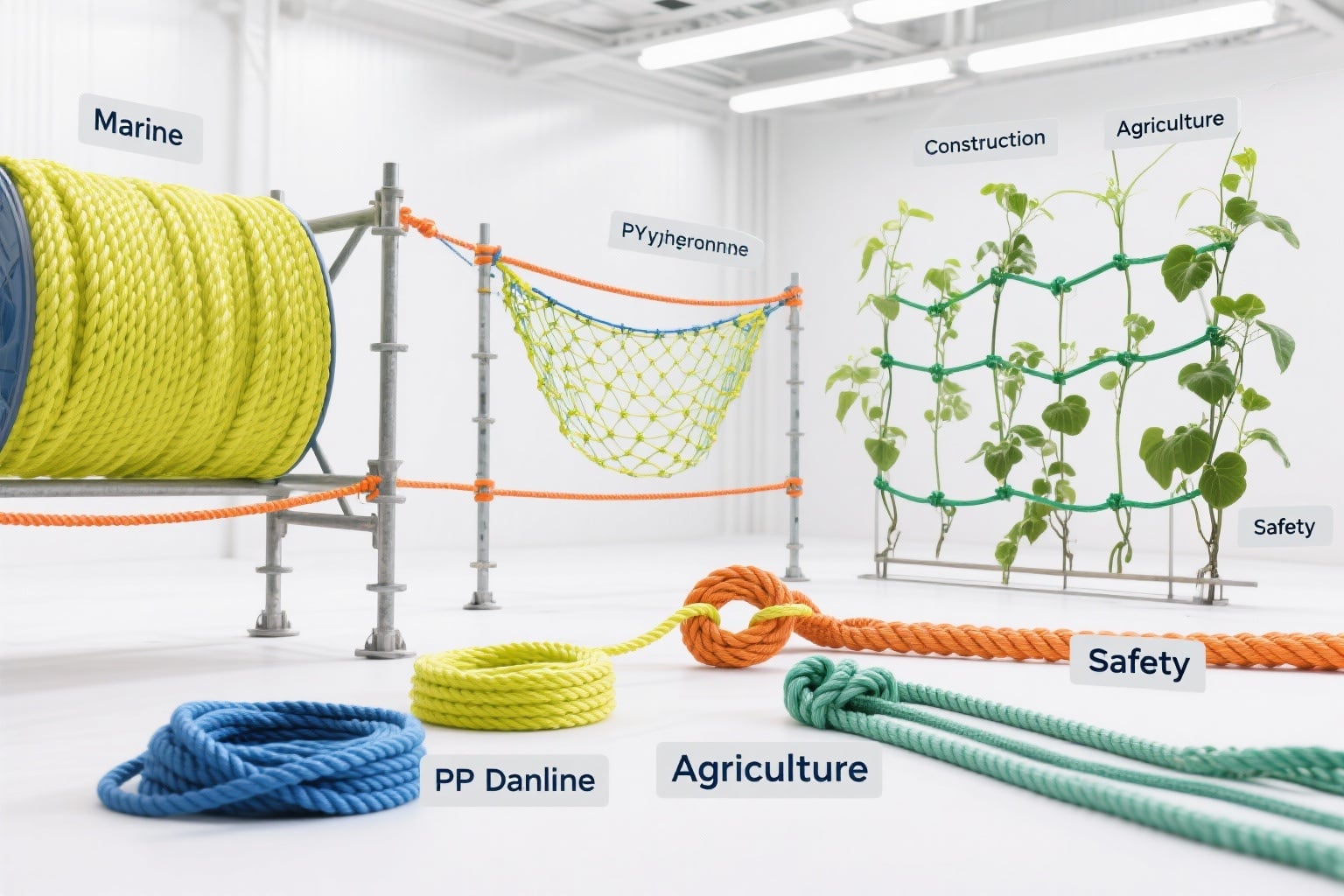
PP danline rope demonstrates exceptional performance in marine applications due to its unique combination of properties. The rope's buoyancy prevents sinking and tangling in underwater operations, while its resistance to saltwater corrosion ensures longevity in harsh maritime conditions. The material's ability to maintain strength when wet makes it superior to natural fiber alternatives that degrade when exposed to moisture.
In commercial fishing operations, PP danline rope serves multiple critical functions. The rope's high visibility colors aid in equipment identification and safety marking, while its chemical resistance protects against fuel spills and biological contamination. The material's flexibility and knot-holding characteristics make it ideal for net construction and repair operations.
Safety applications require ropes with predictable performance characteristics. PP danline rope's consistent breaking strength and elongation properties provide reliable safety margins in critical applications. The rope's lightweight nature reduces crew fatigue during extended handling operations, while its smooth surface minimizes hand injuries during deployment and retrieval.
Expert guidance for selecting the optimal PP danline rope based on application requirements, environmental conditions, and performance specifications.
Calculate the maximum anticipated load including dynamic forces from wind, waves, and operational movements. Select a rope with a Minimum Breaking Load (MBL) at least 2-4 times higher than the maximum working load. Consider the Ship Design Minimum Breaking Load (MBLsd) for marine vessels to ensure compliance with safety regulations.
Evaluate the operational environment to determine required resistance properties. Marine applications require superior UV resistance and saltwater corrosion protection. Industrial environments may demand enhanced chemical resistance and abrasion protection. Temperature extremes require consideration of the rope's thermal performance characteristics.
High-quality PP danline rope exhibits consistent diameter throughout its length, uniform coloration without fading or discoloration, smooth fiber integration without protruding strands, and proper UV stabilization treatment. Request certification documents demonstrating compliance with relevant industry standards such as EN ISO 1346 for marine applications.
Consider the maintenance requirements and inspection protocols for your specific application. Ropes in critical safety applications require regular inspection schedules and documented maintenance records. Factor in replacement costs and availability when selecting suppliers and specifications.
Use our comprehensive specifications guide to make informed decisions for your specific application requirements.
View Detailed Specifications