EN
EN

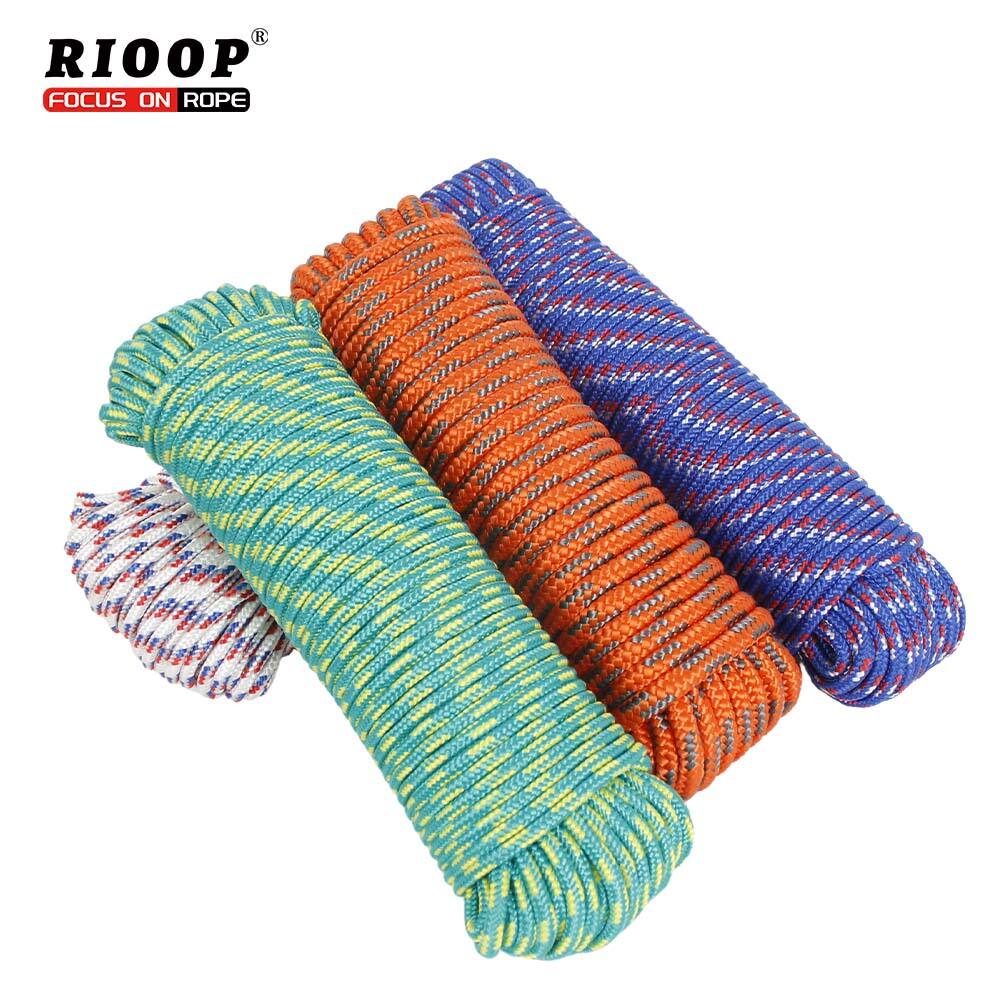
Boat owners know that those dock lines are essential. They are the ropes that help those making the knot secure a boat to a dock. Poor dock lines, a boat can drift away or worse, hit other boats. When docking your boat, the right dock lines make all the difference in keeping your vessel secure. RIOOP Boat Ropes There are several good boat ropes at your service above all recognized as being superior quality and super strong. When you use RIOOP dock lines, you can trust your boat is secure. Boaters looking for the right dock lines, and where to find them, can get help just knowing which boat fenders are best.
Consider the material when choosing dock lines. Quality dock lines are usually composed of nylon or polyester. Nylon has stretch, which is always good because it will absorb shock. That's to say, if a wave smacks into your boat, the force is harder on the line. Polyester is strong and doesn’t stretch significantly. It's perfect for holding the boat in place. Then consider the thickness of the rope. A thicker rope is capable of supporting more weight, so a thinner one may not be suitable for larger boats. But it should still be easy to carry. Thicker rope can be difficult to knot or to pull. The length of the dock line is a factor, too. A good rule is to have a line that’s at least 1.5 times the width of the boat. This provides plenty of length to tie a secure knot. For those looking for specific options, the 8STRAND BRAIDED ROPE is a great choice for added strength.
You also need to look at the quality of rope. Inspect problem areas for signs of wear or fraying. RIOOP’s dock lines are built to last and you can trust the quality. Consider the color of the rope as well. Because bright colors can be more visible in the water, it may also help reduce accidents. Finally, always purchase extra dock lines. It’s a smart idea, to have a backup in case one gets broken or lost. In RIOOP dock lines, you will find all these choices and more – so that you can make the best choice for your boat easier. If you're interested in eco-friendly options, you might also explore our PE RECYCLED TWISTED ROPE.
Good boat ropes at a fair price are hard to find. A lot of people don’t know where to turn. One of the best sources for top-quality dock lines is from original manufacturers such as RIOOP. You’ll generally find better prices than at your local retail store when purchasing from a manufacturer. RIOOP provides retail prices for those in need of a large number of dock lines. This is especially good for boaters with multiple boats or businesses that rent out boats.
First, the stuff it’s made of. Nylon, polypropylene and polyester are the most common materials used in dock lines. Nylon is strong and stretchable, which makes it excellent for resisting the pull of waves. Polypropylene is lighter and floats on water, which could be useful if you have a habit of dropping things. Polyester is strong and doesn’t stretch very much, which can be good if you like your boat where you left it. Each material type has its benefits, so choose what’s right for your boat.
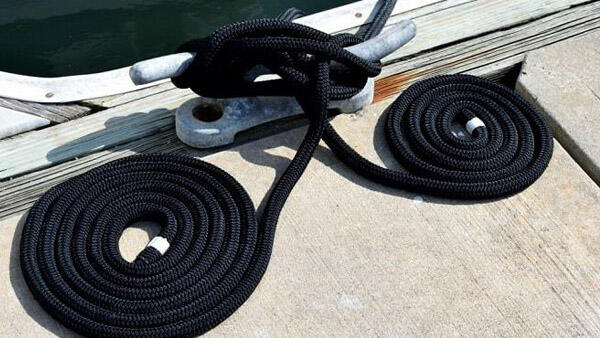
Then think about how thick the rope is. Stronger, thicker ropes can generally support more weight. But they can also be weighty and cumbersome. Thinner ropes, meanwhile are easier to tie and use but may not be as strong. A general rule is to use a rope diameter that’s thick enough to bear your boat’s weight. For example, if you have a small boat, 3/8-inch diameter rope may be sufficient. For the big boats you may need a rope that is 1/2 inch or more in diameter.
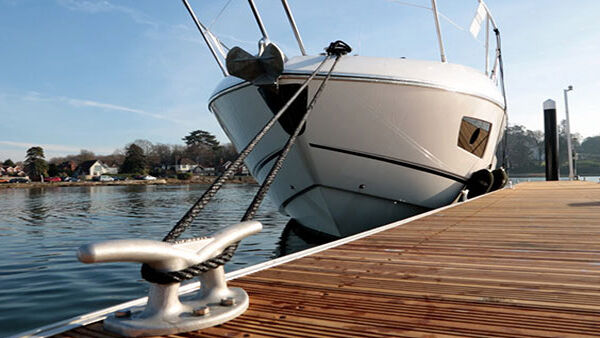
First, consider the length and type of your boat. Larger boats typically require longer, thicker ropes. For smaller vessels, shorter and narrower lines will suffice. One way to determine the length as related to your boat is how far from your boat you want to be able to have it reach. As a rule of thumb, you want at least one and half times the height of your boat’s bow above the water. This will keep the rope from being too short for tying your boat securely.