EN
EN

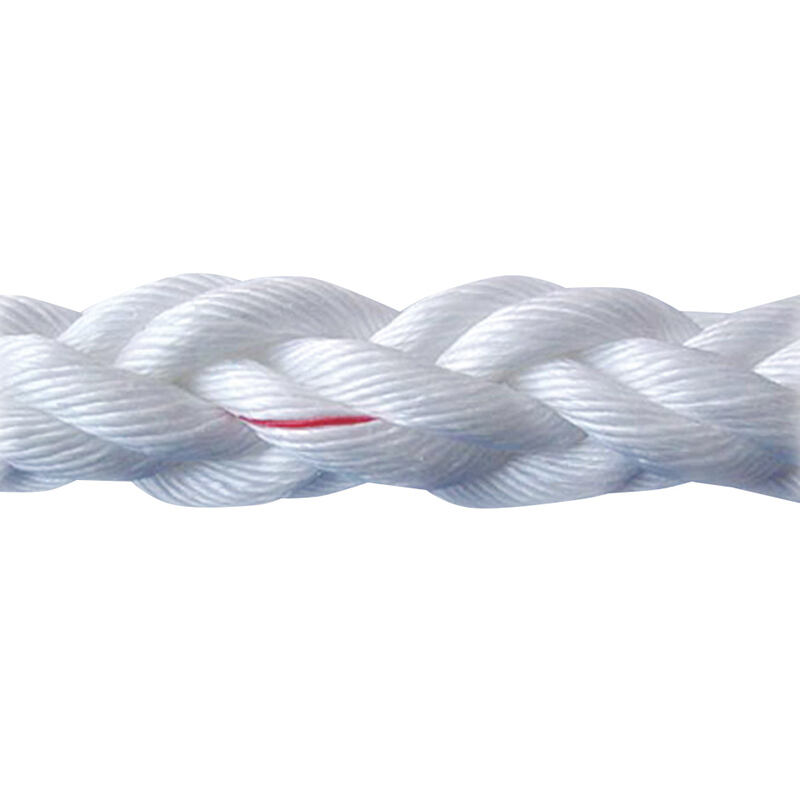
Common rope problems cause accidents and make sailing tough. A frequently encountered problem is the wear of ropes. With time, ropes can become frayed or worn where they come in contact with boat parts, or if they are pulled excessively hard. This damages the rope and can cause it to snap when you’re not looking. We understand this at RIOOP, so we create our braids with strong fibers and extra layers to reduce the rubbing and stretching that occurs. A separate issue is how the rope will get wet and dirty. Saltwater stiffens and roughens ropes, and dirt can also work its way into fibers to cause damage. To prevent this, it’s advisable to rinse ropes in fresh water after sailing and keep them dry. Plus, knots can create stress points on the rope. Twist the rope and its strength decreases if you tie knots in the wrong way or leave them tied for days. Good know how to tie knots and check your ropes often can help to avoid this. Ropes can also jam or become knotted, which makes it hard to deal with the sails. The twisting can be minimized by the use of lissome ropes such as RIOOP. Keeping ropes organized on the boat also saves them from becoming tangled. Small cuts or nicks in ropes often are not taken seriously enough by people, but small problems lead to big failures. It’s always a good idea to inspect your ropes before every trip. If you see any damage, it’s best to err on the side of replacing the rope early. RIOOP ropes are supplied with washing and use instructions, ensuring that the sailors keep their rope in good order. By being aware of these common problems and storing and handling ropes correctly, sailing a boat can be safer - and more fun. The proper habits protect the rope, as well as those on it.
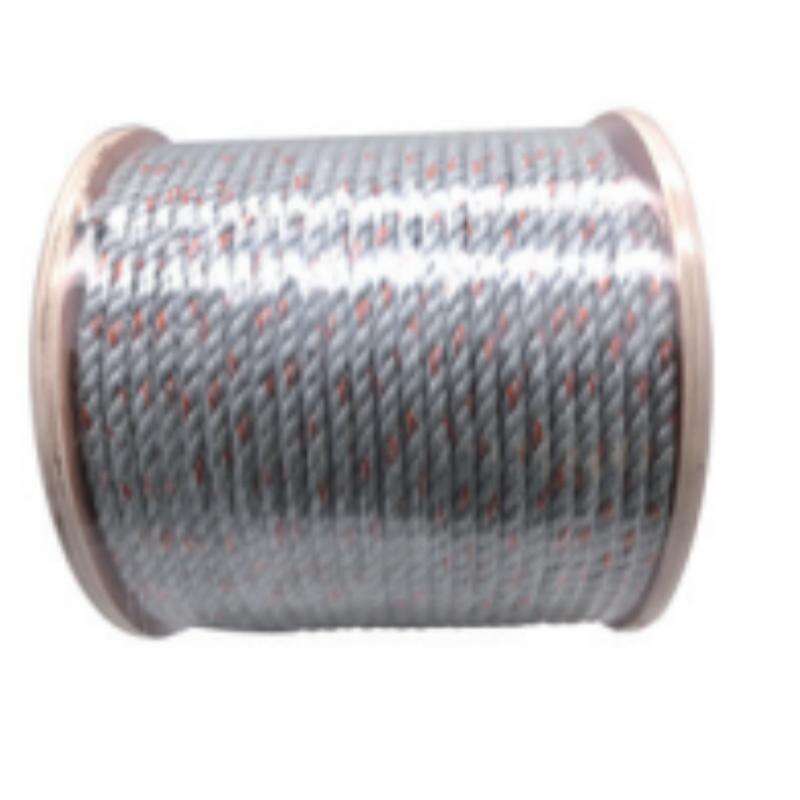
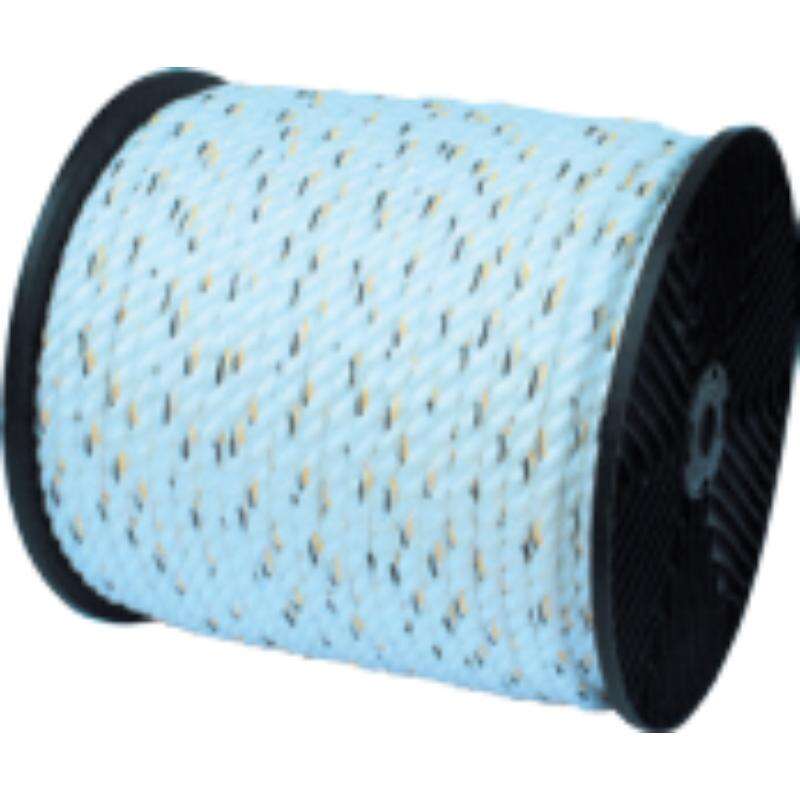
Different ropes are required for different types of water. Of course, this is due to the fact that saltwater and freshwater, calm lakes and rough seas all present certain demands on your rope. Saltwater is just one harsh example, but it does a number on ropes and makes them wear out much faster. RIOOP constructs special ropes with materials that defy salt and do not absorb water readily. These ropes remain strong even after repeated wettings. While you are sailing in the freshwater of lakes, the lines do not need to contend with salt damage but they do still take on sun and rubbing. RIOOP’s ropes are UV resistant, meaning they won’t weaken in the sun. Ropes can stiffen or freeze if you’re sailing in cold places. Cold weather ropes that stay flexible even when it’s freezing, making dealing with the sails easier. In choppy seas, where waves are breaking and the wind blowing hard, ropes must be tough and not stretch very much at all. It can make the sails more difficult to manage, especially with stretchy ropes. RIOOP is made with a premium fiber that binds strong under pressure and holds up in the harshest of conditions. Some lines are particularly good for pulling heavy loads, such as anchoring or towing. These are heavy ropes with robust fibers and unique braids so that they do not break when tugged violently. Next, you’ve got lightweight ropes that don’t weigh much and are easier to transport and manage when heavy strength isn’t critical. RIOOP comes in both heavy-duty and light ropes styles to accommodate whatever you are looking for. Use of the correct rope for water, and the type of sailing makes handling a boat easier and safer. It also extends the life of the ropes, so you won’t have to replace them as frequently. Selecting a rope is not only about how strong it is, but also whether the rope’s characteristics are appropriate for where and how you sail. The diversity of the RIOOP allows for versatility so you have exactly the best lure that operates efficiently under whatever water condition you may encounter.
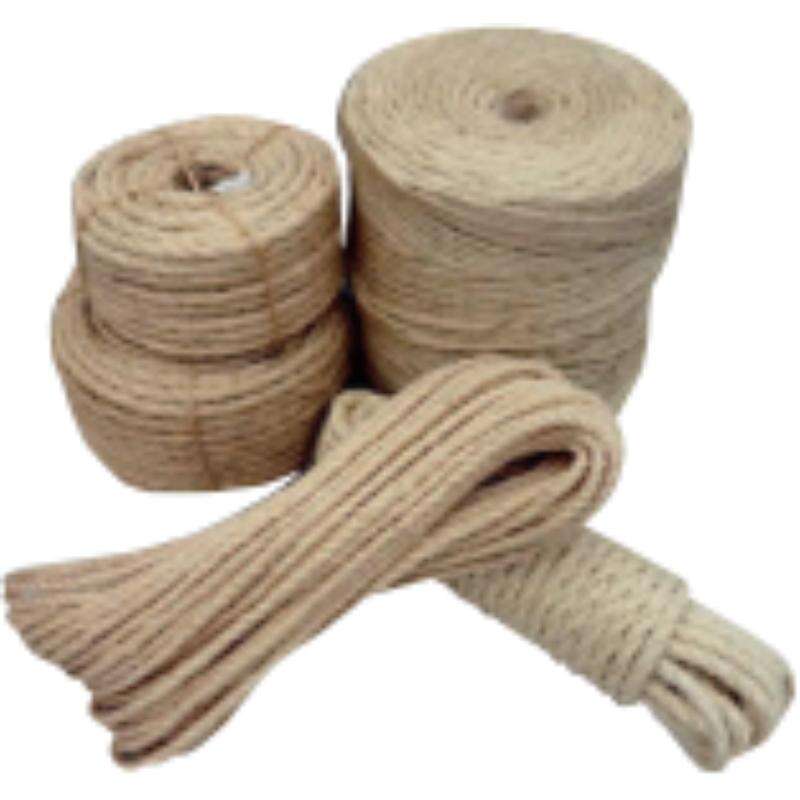
Sailing ropes are extremely crucial when you’re out in the water since they work to manage the pulling of force on your sails and keep your boat safe. What the Sailing rope is constructed of, can impact how effectively it works and how long it will last. Strengths and weaknesses Materials have strengths and weaknesses. A popular choice is ropes made of synthetic fibers such as nylon or polyester. They’re durable and strong, and are able to withstand a lot of pulling before breaking. They also stretch a bit, and that can be helpful to take the edge off when wind speeds and waves build. This elongation can mean smoother, safer sailing. Other ropes, on the other hand, are constructed from natural fibers such as cotton or hemp. These ropes might be softer to the touch but typically do not have a long life because they can absorb water, rot and easily break when exposed to sun and saltwater. RIOOP ropes are constructed using robust materials that ensure durability and longevity.
A few other elements of the material that are relevant is how it responds to water. Some materials soak up water and become heavy, which can impede the boat or weaken the rope. Materials like polyester don’t absorb as much water, so they remain lighter and stronger even when soaked. That is very useful when you have to sail with rain, and rough sea condition. Also, some are given special coatings or braided in a manner that makes them more resistant to sun damage and rubbing against the boat. These characteristics also contribute in making the rope more durable. When selecting a sailing rope, it is wise to consider the type of sailing you intend to engage in and Predicted Weather conditions. RIOOP bring you the best ropes constructed using top quality raw materials in order to combine strength, durability and flexibility! This is how you can rely on RIOOP sailing line for good performance and a long life of use down at the water.
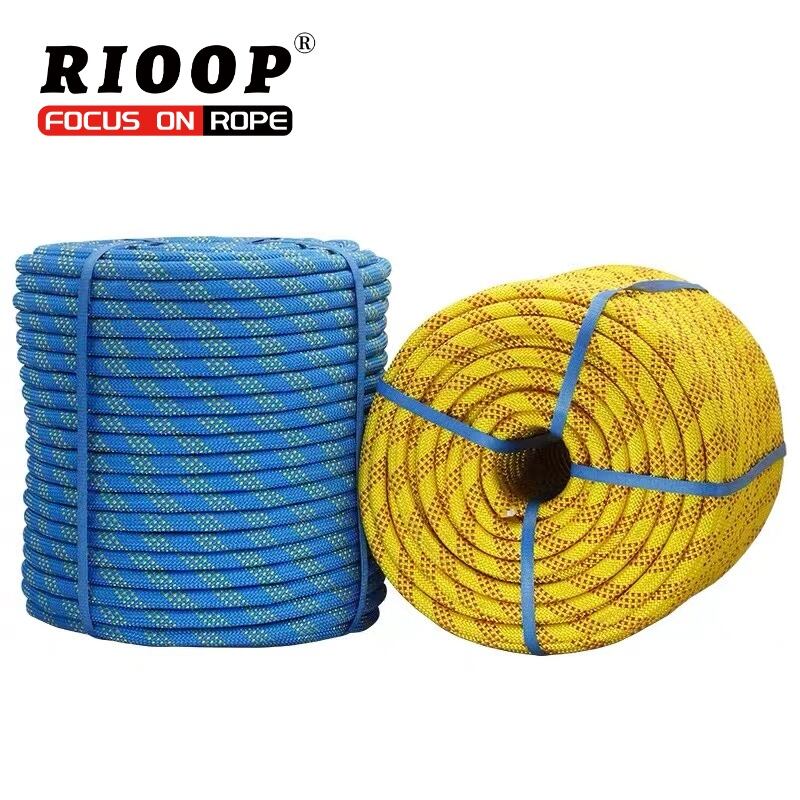
Maybe you need a huge amount of sailing rope, between you and your family, or for a sailing club, boat company or a large project; you are going to want the ability to trust your supplier. Trustworthy sellers ensure that you receive the best quality ropes to meet your requirements. They also deliver on time and provide good prices for large orders. In your search for supplier, do consider how long the company has been in the business. Experienced firms get what sailors want and know how to make ropes that are tough and secure. One superb option is RIOOP, the maker of strong and reliable sailing ropes. They work with customers to give them the best type of rope, and whether you need ropes for little sail boats or big yachts.
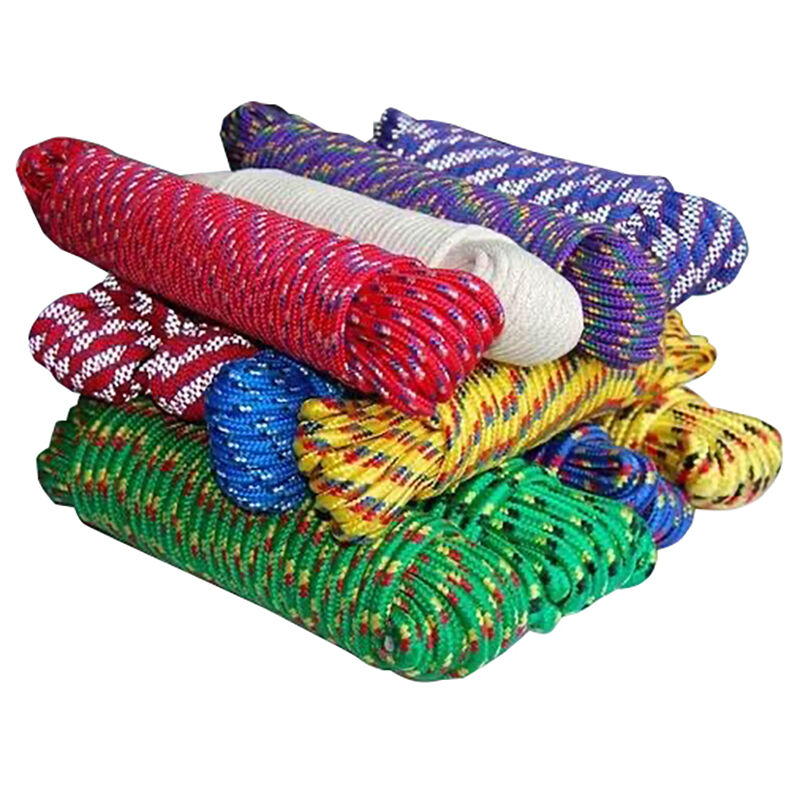
You might also evaluate in suppliers’ ability to process large orders without errors. Large volume orders require careful coordination to ensure that every rope is safe and arrives when it’s expected. That’s good for managing large shipments, but RIOOP can also answer any questions about the ropes, such as what materials are used and how to maintain them. And it’s a plus if the supplier provides added value beyond the product itself, such as custom rope sizes or specific kinds of packaging. This will save you time and make your job simpler. When you order from a reputable manufacturer such as RIOOP, who value sailing safety, you are sure to receive reliable sailing ropes that will not let go of your trust onboard.
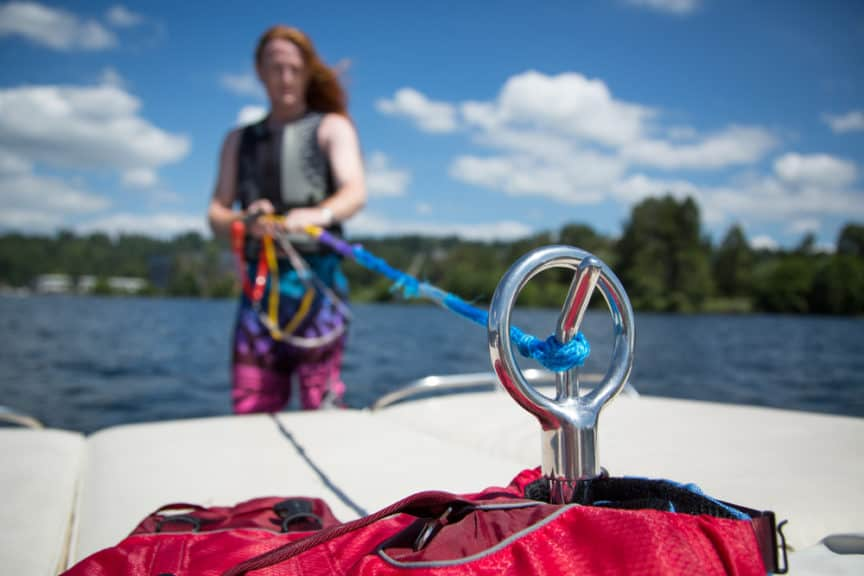
When purchasing sailing rope, there is much to consider other than just picking something that looks strong. Buyers should know about rope strength and how to take care of the ropes so they can last a long time. Strength is a huge issue, as the ropes have to be able to support large sails and hold the boat steady in rough wind with big seas. Every rope has a breaking strength, which is the maximum load it can hold before snapping. When purchasing, check that the rope’s rating is greater than the loads you anticipate seeing. It’s also wise not to skimp and go with ropes that are a bit stronger just to be safe. RIOOP ropes are tested to ensure they meet high strength standards, so you can rely on them to perform well in the harshest situations.