EN
EN
সমস্ত দড়ি একই রকম নয়। যদি আপনি পুনঃবিক্রয় বা ক্রয়ের জন্য দড়ি সংগ্রহ করছেন, তবে সামুদ্রিক দড়ি, কৃষি দড়ি এবং উত্তোলন দড়ির মধ্যে পার্থক্য বোঝা শুধু একাডেমিক নয়—এটি সন্তুষ্ট গ্রাহক এবং পণ্য ফেরতের মধ্যে পার্থক্য, অথবা আরও খারাপ ক্ষেত্রে, নিরাপত্তা ঝুঁকির মধ্যে পার্থক্য।
অসংখ্য ক্রেতা এই বিষয়ে ভুল করেন। তারা সস্তা বিকল্প বা সবচেয়ে জনপ্রিয় SKU অর্ডার করেন, কিন্তু পরে দেখেন যে এটি তাদের নির্দিষ্ট অ্যাপ্লিকেশনে কাজ করছে না। এই গাইডটি আপনাকে যা জানা দরকার—উপাদান অনুযায়ী, ব্যবহারের ক্ষেত্র অনুযায়ী এবং ক্রেতা-প্রকার অনুযায়ী—সেগুলো স্পষ্টভাবে ব্যাখ্যা করে।
সামুদ্রিক পরিবেশ উপকরণের জন্য কঠোর। আপনার দড়িকে নিম্নলিখিতগুলো সহ্য করতে হবে:
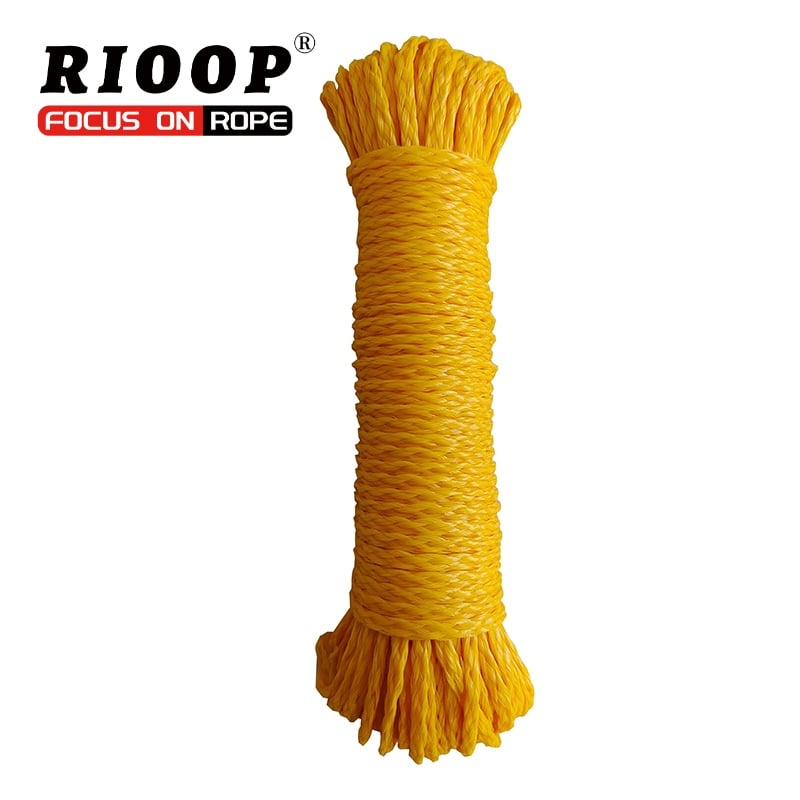
পলিপ্রোপিলিন (PP): সামুদ্রিক রস্সির কাজের ঘোড়া। হালকা ওজন, জলে ভাসে এবং ইউভি ক্ষয়ের প্রতি প্রতিরোধী। ডক লাইন, অ্যাঙ্কর লাইন, মাছ ধরার জাল এবং সাধারণ নৌকা ব্যবহারের জন্য উপযুক্ত। খরচ-কার্যকর এবং দৃশ্যমানতার জন্য উজ্জ্বল রংয়ে পাওয়া যায়।
পলিএস্টার: সেইলিং এবং উচ্চ-মানের সামুদ্রিক প্রয়োগের জন্য প্রিমিয়াম পছন্দ। কম প্রসারণযোগ্য, চমৎকার ইউভি প্রতিরোধী এবং উৎকৃষ্ট টেকসইতা। হ্যালিয়ার্ড, শীট এবং স্ট্যান্ডিং রিগিং-এর জন্য ব্যবহৃত হয়। উচ্চতর খরচ হলেও দীর্ঘতম আয়ুষ্কাল রয়েছে।
নাইলন: অসাধারণ আঘাত শোষণ ক্ষমতা এটিকে হঠাৎ লোড সৃষ্টিকারী অ্যাঙ্কর লাইন এবং মুয়ারিং লাইনের জন্য আদর্শ করে তোলে। নমনীয়তা তরঙ্গ ক্রিয়াকে শোষণে সহায়তা করে। যদি এটি জলরেখার উপরে ব্যবহার করা হয়, তবে ইউভি প্রতিরোধী চিকিৎসা আবশ্যক।
কৃষি প্রয়োগগুলি নিম্নলিখিতগুলিকে অগ্রাধিকার দেয়:
পলিপ্রোপিলিন (PP): কৃষি দড়ির বিক্রয়ে এটি প্রভাবশালী। সস্তা, হালকা এবং সূর্য ও বৃষ্টির প্রতি ভালোভাবে প্রতিরোধী। এটি ঘাস বেঁধে রাখা, অস্থায়ী বেড়া, পশু বাঁধার জন্য এবং সাধারণ কৃষি কাজে ব্যবহৃত হয়।
পলিইথিলিন (PE): PP-এর তুলনায় সামান্য শক্তিশালী এবং ঘর্ষণ প্রতিরোধে ভালো। গাড়ি বা যন্ত্রপাতির লোড আটকানোর মতো ভারী কৃষি কাজের জন্য এটি জনপ্রিয়।
শিসাল ও ম্যানিলা (প্রাকৃতিক তন্তু): ঘাস বেঁধে রাখা এবং সজাবার কাজের জন্য ঐতিহ্যগত পছন্দ। এগুলো জৈব বিয়োজ্য, কিন্তু আয়ু কম। কিছু জৈব চাষের জন্য টেকসই কারণে প্রাকৃতিক উপকরণগুলো পছন্দ করা হয়।
উত্থাপন অ্যাপ্লিকেশনগুলি সর্বোচ্চ ঝুঁকি বহন করে। এখানে কোনো রস্ বিফল হলে আঘাত বা মৃত্যু ঘটতে পারে। এটি সেই স্থান যেখানে উপাদান বিজ্ঞান কঠোর নিরাপত্তা মানদণ্ডের সাথে মিলিত হয়।
নাইলন: উচ্চ আঁটোসাঁট শক্তি এবং ভালো আঘাত শোষণ ক্ষমতা সহ, টাওয়িং, রিকভারি এবং গতিশীল লোড অ্যাপ্লিকেশনের জন্য উপযুক্ত। গুরুত্বপূর্ণ সতর্কতা: ওভারহেড মানুষ উত্থাপনের জন্য সঠিক লোড-রেটেড সার্টিফিকেশন ও পরীক্ষার ছাড়া স্ট্যান্ডার্ড নাইলন রস্সি কখনও ব্যবহার করা উচিত নয়।
পলিএস্টার: নাইলনের তুলনায় কম প্রসারণ, যার ফলে নির্ভুল লোড অবস্থান নির্ধারণের প্রয়োজন হলে এটি পছন্দনীয়। ভালো রাসায়নিক প্রতিরোধ ক্ষমতা। উত্থাপন স্লিং এবং রিগিং অ্যাপ্লিকেশনে ব্যাপকভাবে ব্যবহৃত।
HMPE / UHMWPE (অতি-উচ্চ-আণবিক-ভর-যুক্ত পলিইথিলিন): ভারী ওজন তোলার এবং সমুদ্রের জন্য ব্যবহৃত রিগিংয়ে ক্রমশ বেশি ব্যবহৃত হচ্ছে, যেখানে সর্বোচ্চ শক্তি-ওজন অনুপাত গুরুত্বপূর্ণ। একই ওজনে ইস্পাতের চেয়ে শক্তিশালী, এবং প্রসারণ খুবই কম। সাধারণত এটি একটি প্রিমিয়াম SKU— যা শিল্পগত বিতরণকারী এবং বিশেষায়িত রিগারদের জন্য প্রাসঙ্গিক।
তারের দড়ি (ইস্পাত তার): এটি সিনথেটিক দড়ি পণ্য নয়, কিন্তু সম্পূর্ণতা বজায় রাখার জন্য উল্লেখযোগ্য। অনেক ওভারহেড ক্রেন এবং হয়েস্ট অ্যাপ্লিকেশনে আঞ্চলিক নিরাপত্তা কোড অনুযায়ী এটি আবশ্যক।
| আবেদন | সেরা উপকরণ | প্রধান বৈশিষ্ট্য | সাধারণ ক্রেতা |
|---|---|---|---|
| মেরিন (ডক লাইন) | পলিপ্রোপিলিন | ফ্লোট, ইউভি-প্রতিরোধী | মেরিন বিক্রেতা, নৌকা ডিলার |
| মেরিন (সেইলিং/রিগিং) | পলিস্টার | কম প্রসারণযোগ্য, টেকসই | পালতোলা নৌকার মালিক, মেরিন আউটফিটার |
| কৃষি (হে বেলিং) | পলিপ্রোপিলিন | খরচ-কার্যকর, আবহাওয়া-প্রতিরোধী | কৃষি সরবরাহ দোকান, সহযোগিতা সংস্থা |
| কৃষি (বেড়া/লোড) | পলিথিন | শক্তিশালী, দৃশ্যমান | পালিত প্রাণী সরবরাহকারী, হার্ডওয়্যার দোকান |
| উত্তোলন (টাওয়িং/রিকভারি) | নাইলন | উচ্চ শক্তি, আঘাত শোষণ | অটো সরবরাহ, শিল্প বিতরণকারী |
| উত্তোলন (রিগিং/স্লিংস) | পলিয়েস্টার / HMPE | কম প্রসারণ, নির্ভুল নিয়ন্ত্রণ | নির্মাণ সরবরাহকারী, নিরাপত্তা খুচরা বিক্রেতা |
আপনাকে অনুমান করতে হবে না। সঠিক দড়ি আপনার গ্রাহকের নির্দিষ্ট অ্যাপ্লিকেশন, বাজেট এবং কার্যকারিতা প্রয়োজনীয়তার উপর নির্ভর করে।
RIOOP-এ, আমরা মেরিন, কৃষি এবং শিল্প শ্রেণীর মধ্যে সিনথেটিক দড়ি উৎপাদন করি—তিনটি উৎপাদন সুবিধা থেকে কাজ করছি, যার নমনীয়তা কাস্টম স্পেসিফিকেশন পূরণ করতে এবং দাম প্রতিযোগিতামূলক রাখতে পর্যাপ্ত পরিমাণে উৎপাদন করতে সক্ষম।
বাছাইয়ে সাহায্য প্রয়োজন? বিনামূল্যে পরামর্শের জন্য আমাদের সাথে যোগাযোগ করুন —আমাদের আপনার লক্ষ্য বাজার এবং সাধারণ অ্যাপ্লিকেশনগুলি জানান, এবং আমরা সঠিক উপাদান, ব্যাস এবং নির্মাণ সুপারিশ করব। আপনার বাস্তব পরিস্থিতিতে পরীক্ষা করার জন্য একটি নমুনা প্যাক অনুরোধ করুন।
প্রশ্ন: আমি কি মেরিন এবং কৃষি উভয় অ্যাপ্লিকেশনের জন্য একই দড়ি ব্যবহার করতে পারি?
প্রযুক্তিগতভাবে, হ্যাঁ—পলিপ্রোপিলিন উভয় পরিবেশেই কাজ করে। কিন্তু বিশেষকরণগুলি ভিন্ন। মেরিন রস্ (নৌ-ব্যবহার্য দড়ি) সাধারণত উচ্চতর ইউভি (UV) চিকিৎসা এবং নির্দিষ্ট ভাসমানতা পরীক্ষার প্রয়োজন হয়, অন্যদিকে কৃষি রস্ (কৃষিকাজে ব্যবহৃত দড়ি) খরচ কার্যকারিতা উপর জোর দেয় এবং এটি অনুরূপ মান সার্টিফিকেশন ধারণ করতে পারে না। ভুল বিশেষকরণ ব্যবহার করলে তাৎক্ষণিক ব্যর্থতা ঘটবে না, কিন্তু এটি দড়ির আয়ু কমিয়ে দেবে এবং গ্রাহকদের সন্তুষ্টি হ্রাস করবে।
প্রশ্ন: কাস্টম মেরিন-গ্রেড রস্-এর ন্যূনতম অর্ডার পরিমাণ (MOQ) কত?
ইউভি (UV) চিকিৎসাসহ স্ট্যান্ডার্ড পলিপ্রোপিলিন মেরিন রস্-এর ক্ষেত্রে, MOQ সাধারণত প্রতি বিশেষকরণে ২,০০০–৩,০০০ মিটার থেকে শুরু হয়। কাস্টম রং, ব্র্যান্ডিং বা বিশেষ চিকিৎসার ক্ষেত্রে MOQ সাধারণত ৫,০০০ মিটার বা তার বেশি হয়। অনেক প্রস্তুতকারক—যেমন RIOOP—নতুন গ্রাহকদের জন্য ছোট পরীক্ষামূলক উৎপাদন ব্যবস্থা করতে পারেন। এ বিষয়ে জিজ্ঞাসা করা সবসময় মূল্যবান।
প্রশ্ন: লিফটিং রস্ (উত্থাপন দড়ি) বিক্রয় করতে আমার বিশেষ সার্টিফিকেশন প্রয়োজন কি?
সাধারণ উদ্দেশ্যে ব্যবহৃত হওয়া এবং ওভারহেড লিফটিং-এর জন্য মূল্যায়ন করা হয়নি এমন রসির জন্য সাধারণত কোনো বিশেষ সার্টিফিকেশন প্রয়োজন হয় না। তবে, যদি আপনি ওভারহেড লিফটিং, লোড সিকিউরিং বা নিরাপত্তা-সম্পর্কিত গুরুত্বপূর্ণ অ্যাপ্লিকেশনের জন্য বিশেষভাবে রসি বিক্রি করছেন, তবে আপনার CE মার্কিং, ANSI/ASME B30 অনুমোদন বা অন্যান্য আঞ্চলিক ডকুমেন্টেশন প্রয়োজন হতে পারে। কোনো রসি ক্রয় করার আগে সরবরাহকারীর সাথে এর উদ্দিষ্ট ব্যবহার সম্পর্কে সর্বদা স্পষ্ট করে নিন।
প্রশ্ন: আমি কীভাবে জানব যে কোনো রসি UV-চিকিত্সিত?
UV চিকিত্সা দৃশ্যমান নয়—আপনার নির্মাতার কাছ থেকে ডকুমেন্টেশন প্রয়োজন। একটি উপাদান ডেটা শীট বা পরীক্ষা প্রতিবেদন অনুরোধ করুন। বিশ্বস্ত সরবরাহকারীরা এটি কোনো দ্বিধা ছাড়াই প্রদান করবেন। মেরিন ও কৃষি অ্যাপ্লিকেশনের ক্ষেত্রে, UV চিকিত্সা সাধারণত পণ্যের মূল্যে ১০–২০% বৃদ্ধি করে, কিন্তু বাইরের ব্যবহারের আয়ু দুগুণ থেকে তিনগুণ পর্যন্ত বাড়াতে পারে।
প্রশ্ন: ৩-স্ট্র্যান্ড এবং ব্রেইডেড রসির মধ্যে পার্থক্য কী?
৩-স্ট্র্যান্ড (টুইস্টেড): কম খরচের, স্প্লাইস করা যায়, ভুলভাবে পরিচালনা করলে কিঙ্ক হতে পারে। ডক লাইন, কৃষি ব্যবহার এবং সাধারণ উদ্দেশ্যে ব্যবহৃত হয়। ব্রেইডেড: মসৃণ নিয়ন্ত্রণ, কিঙ্ক-প্রতিরোধী, উচ্চ খরচ। ডাবল-ব্রেইড (কোর + কভার) শক্তি ও নমনীয়তা উভয়কেই একত্রিত করে। সেইলিং, প্রিমিয়াম মেরিন এবং রিগিং অ্যাপ্লিকেশনের জন্য স্ট্যান্ডার্ড।
আপনার রস্সির সাথে এর অ্যাপ্লিকেশন মিলিয়ে নিন। মেরিন পরিবেশে জল ও ইউভি প্রতিরোধের প্রয়োজন হয়। কৃষি ব্যবহারে টেকসইতা ও সাশ্রয়ী মূল্য প্রাধান্য পায়। উত্তোলন অ্যাপ্লিকেশনে শক্তি, কম প্রসারণ এবং নিরাপত্তা সার্টিফিকেশন আবশ্যক।
ভুল পছন্দ আপনার ফেরত দেওয়া এবং খ্যাতির মাধ্যমে অর্থ হারাতে পারে। সঠিক পছন্দ গ্রাহকদের আনুগত্য গড়ে তোলে এবং পুনরায় ব্যবসা বৃদ্ধি করে।
আজই শুরু করুন: আমাদের আপনার অ্যাপ্লিকেশনটি জানান , এবং আমরা আপনাকে পরীক্ষা করার জন্য সঠিক নমুনা পাঠাব।
সর্বশেষ আপডেট: এপ্রিল ২০২৬ | প্রকাশক: RIOOP – তাইয়ান রোপ লিমিটেড কোম্পানি
 গরম খবর
2026-08-07
2026-07-23
2026-07-14
2026-06-05
2026-05-22
2026-05-07