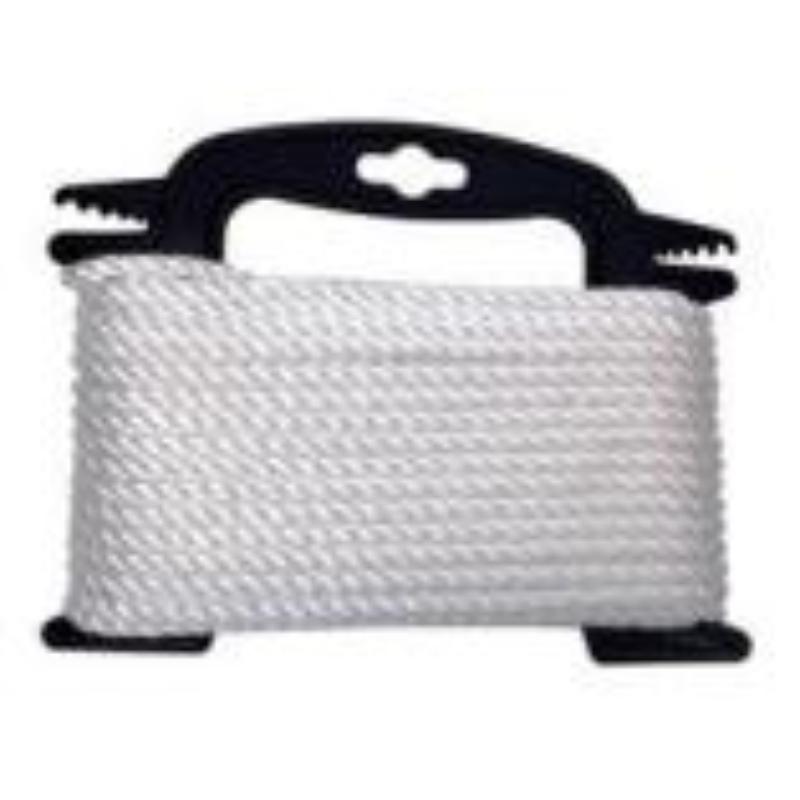
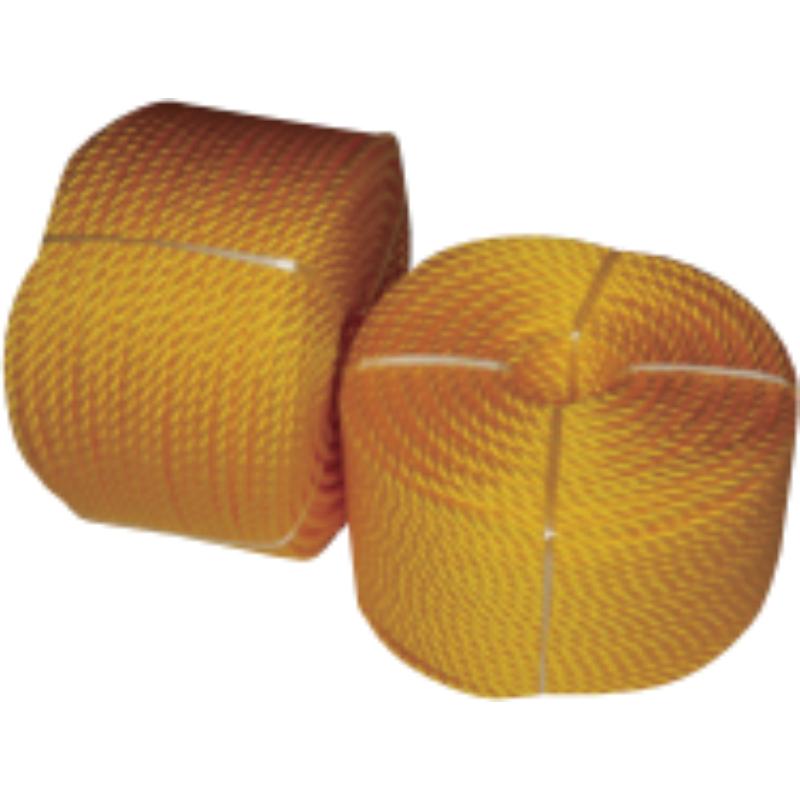
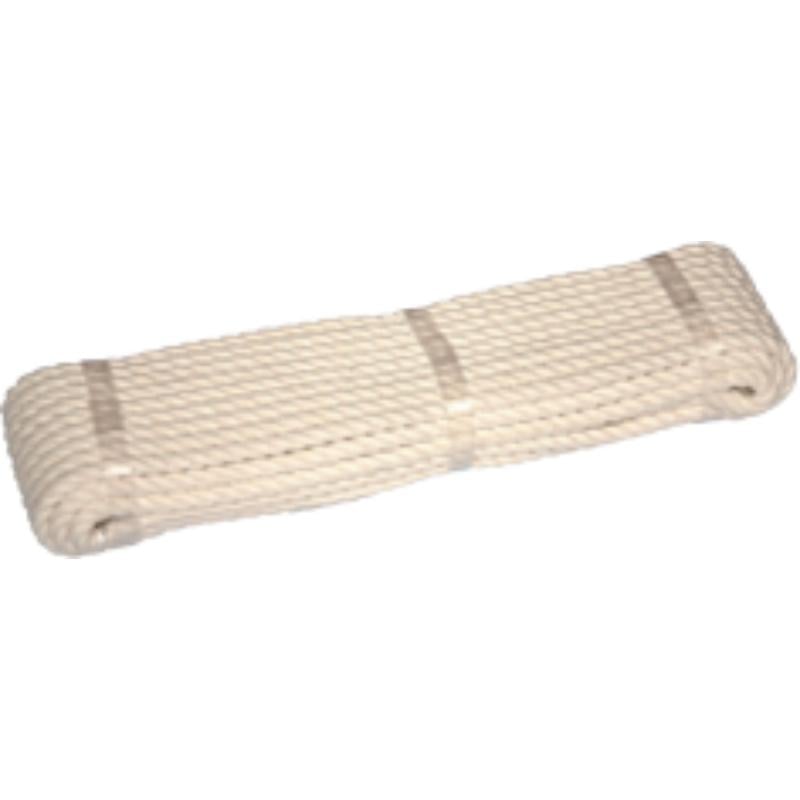
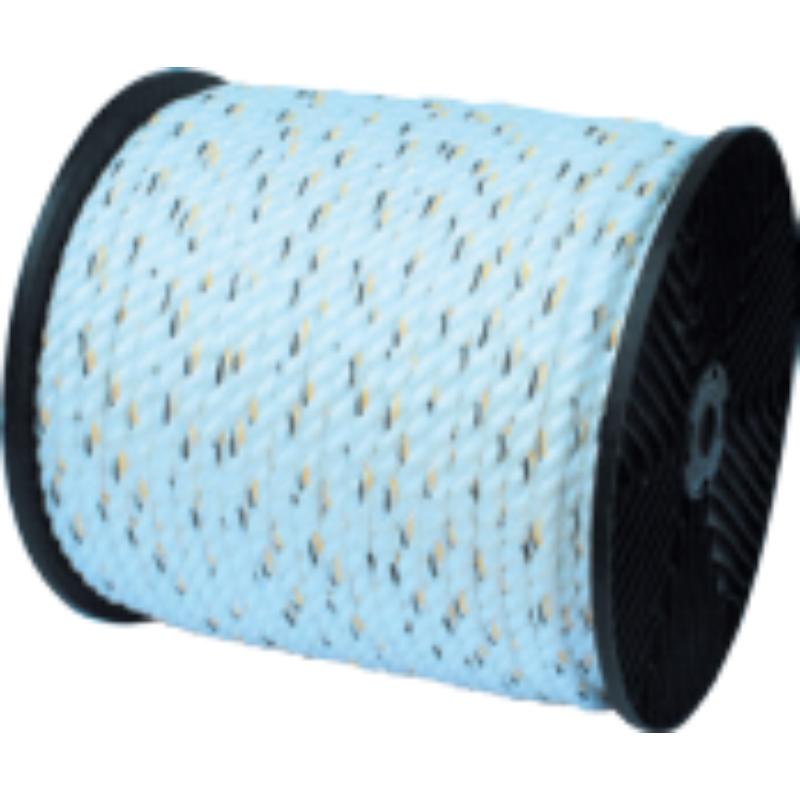
In today's rapidly evolving agricultural landscape, efficiency, durability, and cost-effectiveness are paramount. Plastic rope, manufactured from synthetic materials such as Polyethylene (PE) and Polypropylene (PP), has emerged as an indispensable tool for farmers worldwide. Unlike traditional natural fiber ropes, plastic ropes offer a unique combination of weather resistance, strength, and longevity that makes them ideal for the demanding conditions of agricultural environments. This article explores the key advantages of plastic rope in agriculture, providing practical insights and data-backed analysis to help farmers make informed decisions.
Plastic ropes are extensively used for supporting climbing plants such as tomatoes, cucumbers, beans, and grapes. The ropes provide vertical guidance, ensuring optimal growth and maximizing yield per square meter.
In modern greenhouse and tunnel farming, plastic ropes secure plastic films, shade nets, and irrigation lines. Their resistance to UV degradation ensures long-term stability even under intense sunlight.
Farmers rely on plastic ropes for bundling hay, straw, vegetables, and other agricultural products. The smooth surface prevents damage to produce during transportation and storage.
Plastic ropes are used for temporary fencing, animal enclosures, and securing feed bales. Their lightweight nature and durability make them easy to deploy and maintain.
From securing anti-bird nets to reinforcing drainage channels, plastic ropes serve multiple roles in farm infrastructure projects.
Natural fiber ropes (jute, cotton, sisal) degrade rapidly when exposed to moisture, leading to rotting and structural failure. Plastic ropes, being hydrophobic, maintain their tensile strength even in humid or rainy environments. Research indicates that plastic ropes can last 2–3 times longer than natural alternatives in wet agricultural settings.
Standard polypropylene ropes with UV stabilizers can withstand continuous outdoor exposure for 3–5 years without significant degradation. This contrasts sharply with natural fibers that often deteriorate within a single season under direct sunlight.
Synthetic manufacturing ensures uniform diameter, strength, and flexibility across batches. Natural fibers exhibit variability due to growing conditions and processing methods.
Agricultural operations frequently involve fertilizers, pesticides, and other chemicals. Plastic ropes resist corrosion from most agricultural chemicals, whereas natural fibers may weaken or decompose.
High-density polyethylene (HDPE) ropes offer tensile strengths ranging from 200 to 800 MPa, depending on diameter and construction. This allows them to support heavy loads without stretching or breaking.
Plastic ropes remain functional across a broad temperature range (-40°C to +80°C), making them suitable for diverse climatic zones.
The synthetic fibers resist fraying and wear from friction against posts, plants, and equipment, extending service life.
Unlike natural fibers, plastic ropes do not provide a food source for fungi, bacteria, or insects, eliminating issues with mold and pest damage.
While premium plastic ropes may have a slightly higher upfront cost compared to low‑grade natural ropes, their extended lifespan justifies the investment. On a per‑year basis, plastic ropes often prove 30–50% more economical.
Plastic ropes require minimal maintenance: occasional cleaning with mild soap and water suffices. Natural ropes may need treatments to retard rotting, adding labor and material expenses.
A typical polypropylene rope used in trellising lasts 3–5 years, whereas a jute rope might need replacement every 12–18 months. Fewer replacements mean less downtime and lower cumulative costs.
Plastic ropes are significantly lighter than water (specific gravity ~0.91), reducing shipping weight and easing manual handling. This translates into lower fuel costs and reduced physical strain for workers.
In commercial greenhouses, PP ropes are installed from overhead wires to the base of each tomato plant. The stems are gently tied to the ropes at regular intervals, promoting upward growth and improving air circulation. This method increases yield by up to 40% compared to traditional ground cultivation.
Vineyards use UV‑stabilized PE ropes to create durable support systems for grapevines. The ropes withstand years of exposure to sun, rain, and temperature fluctuations without losing strength.
Large‑round hay bales are secured with high‑tenacity plastic twine that resists snapping during handling and storage. The twine’s low moisture absorption prevents internal spoilage of the forage.
Farmers quickly deploy plastic rope fences to create rotational grazing paddocks. The ropes are visible, easy to install, and can be rolled up for storage when not in use.
Research into biodegradable polypropylene and polyethylene blends is advancing. These materials offer the same performance while breaking down into harmless compounds after their useful life.
Some manufacturers are experimenting with conductive or sensor‑embedded ropes that monitor plant growth, soil moisture, or structural stress, contributing to precision farming.
Ropes tailored for specific crops (e.g., softer surfaces for delicate stems, enhanced grip for windy areas) are becoming available, further optimizing agricultural workflows.
Plastic rope represents a transformative innovation for modern agriculture. Its superior weather resistance, mechanical strength, and long‑term cost efficiency make it a clear choice over traditional natural fiber ropes. By adopting plastic rope for trellising, bundling, fencing, and infrastructure, farmers can achieve higher productivity, reduce operational costs, and enhance the sustainability of their operations.
Ready to upgrade your farming toolkit? Contact a reputable plastic rope supplier today to discuss your specific needs and discover how synthetic ropes can boost your agricultural productivity. For more information on rope selection, installation techniques, and best practices,
visit our resource center or reach out to our expert team.
Data sources: SIAM Brothers Vietnam, GreenPro Ventures, CNRopes, Alibaba product specifications, and independent agricultural extension studies. All performance figures are based on typical use conditions and may vary with specific applications.
 EN
EN

 Hot News