EN
EN

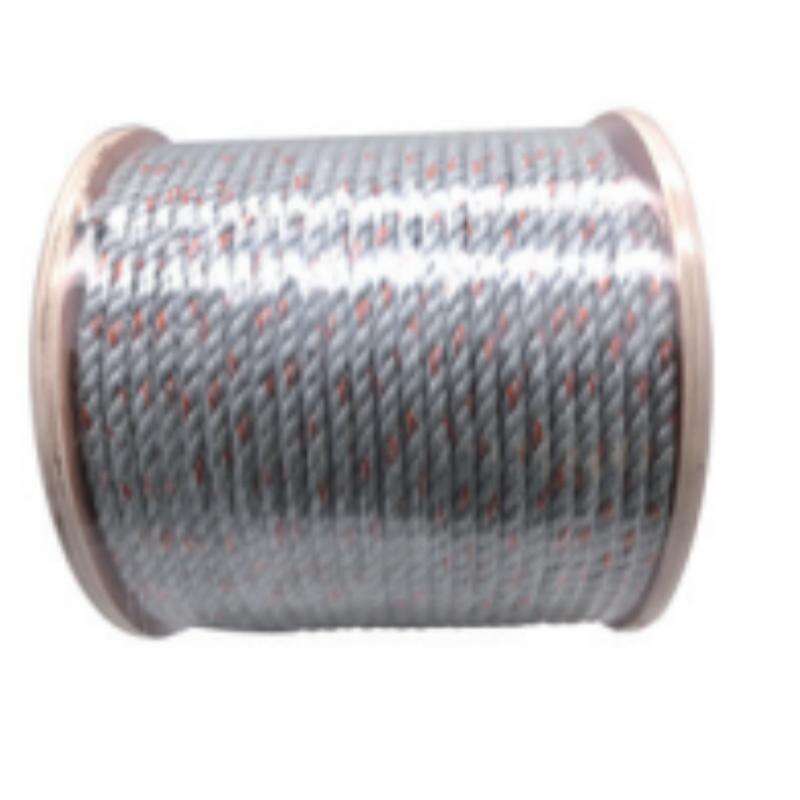
Ropes are an essential tool with boats, ships and anything else dealing with the ocean. Particularly in industrial applications, these ropes need to be both durable and consistent because they are constantly exposed to high levels of weight and wear. The ropes you use in these tough jobs are not the same as those you might use to go camping or tie smaller objects. They are built to be durable and keep people and gear safe on the water. At RIOOP, we're all about making marine ropes that can handle the toughest jobs-from pulling and lifting loads to tying down cargo. We take the time to build our ropes right and test them to ensure they don’t break or wear out too quickly. Knowing why these lines matter and how to avoid getting stiffed when buying them will help anyone employed on the water do a better job. For example, our 8STRAND BRAIDED ROPE is designed for heavy-duty applications.
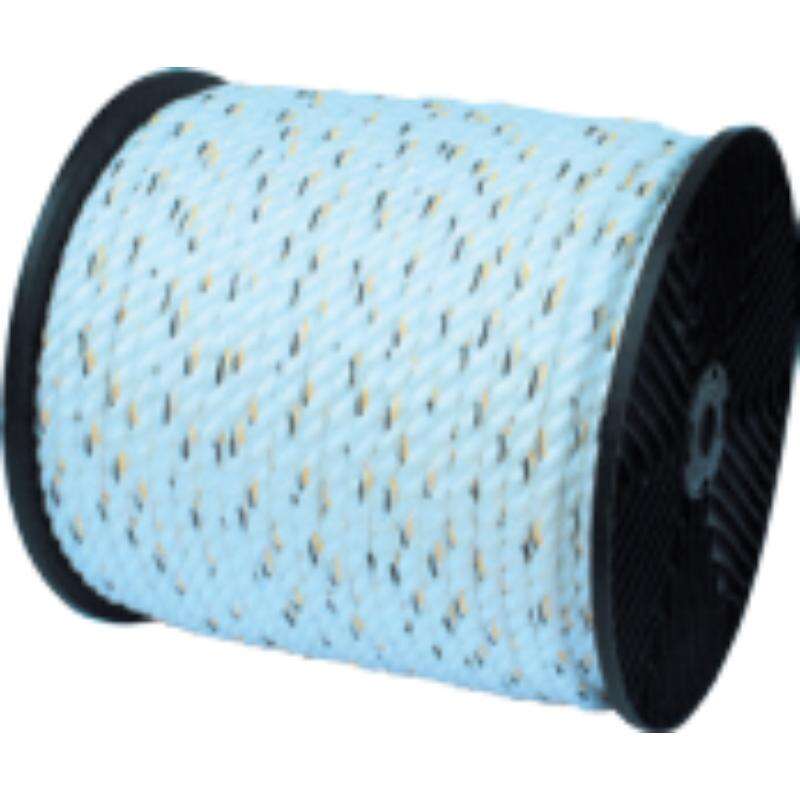
When it comes to working marine rope, strength and durability are not an afterthought - they're everything. Picture a huge ship chugging through stormy seas with tons of cargo aboard. Let your ropes on that ship-be strong if the wind blows ever so hard, or the waves be ever so high. With RIOOP, we produce ropes that can handle these trials. Smart Design: The ropes are made bungee and anti-rust hooks that can withstand the harsh saltwater, sun 2ties of crazy wind stormed ocean waves. It was not simply a matter of being strong. It was also of being flexible enough to carry out different tasks. For instance, when a ship is docked, you need a rope that will stretch slightly in a heavy wind without breaking, and when you are lifting something heavy from the ocean’s depths there can be no twisting or fraying of the rope. CopyWe use special fibers and weaving techniques to enable our ropes to do both. ” Once, a customer reported that their previous ropes would wear out after only a few months. Once they converted to RIOOP ropes, however, they realized just how much longer their ropes lasted in extreme conditions. That type of feedback is meaningful as it reflects on the importance of quality. Then there is safety to consider. If a rope breaks, an accident can occur or expensive equipment can be destroyed. So marine ropes by RIOOP are put through the ringer in heavy load and extreme weather to ensure they won’t fail when it matters most. After all, our ropes are available in a variety of sizes and strengths, so they suit many commercial needs — for fishing boats, cargo ships or offshore platforms. The materials we chose are resistant to abrasion and the chemicals commonly encountered at sea. So you’ll need heavy-duty commercial marine ropes that won’t let go when winds are high, temperatures freezing or your deck is slippery from just-above-post-ice-level rain. You can rely on our POLYESTER 8STRAND HAWSER ROPE for these conditions.
Buying marine rope in bulk may sound easy but there are a lot of mistakes that companies make. One common mistake is selecting the wrong kind of rope for the task. Marine conditions are not suitable for all kind of ropes. Some ropes can appear strong but could decay or weaken rapidly with exposure to saltwater or sunlight. With RIOOP we warn customers to never forget to see what the rope is made of. For instance, synthetic ropes such as nylon or polyester will generally last longer than natural fibers because they stand up better to water damage. Another problem is forgetting about the breaking strength of the rope. Sometimes purchasers choose ropes that are too weak for the heavy loads they have to lug around. That can result in catastrophic failure. It’s also important to consider the heaviest load you expect your rope to ever face and purchase a rope with a breaking strength well above that. Too, some ropes are cheaper but the quality of workmanship isn’t very high. They could have very loose weaving or low-quality fibers and so might wear out more quickly, or unravel spontaneously. RIOOP’s ropes are made to the highest form of craftsmanship, all ropes you receive are well woven and solid fibers, no such problems occur. UV protection is also something that many buyers don’t consider. The ropes can weaken in the sunlight and become unsafe over time. We include special coatings or fibers to block UV damage, so our ropes last longer in the sun.” Storage, handling often gets forgotten too. It happens to the best of ropes, if they’re stored wet or dirty (or in a location where contact against an abrasion surface is more likely). We always recommend to customers that they keep ropes clean, dry and coiled correctly when not in use. And, last but not least, shopping for wholesale will not be the victim of quality. Some buyers will believe going with the cheapest rope is a money saver, but really it costs more in the long run with replacements and accidents. RIOOP helps customers understand the line between price and quality, ensuring they purchase ropes that last and keep work safe. You can save much time, money and even lives at see knowing those common pitfalls for when buying marine ropes.
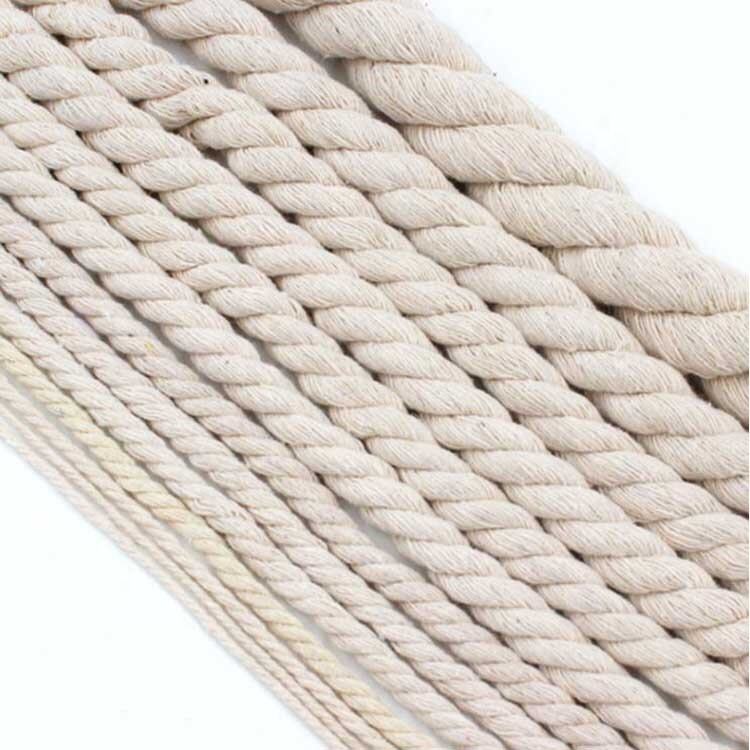
Boating When you are working out on the water, having the right type of rope to use is very important. Boating Running Marine rope keeps boats, ships and docks safe and secure. However, not all ropes are made the same. Various types of ropes do better in different marine environments. For instance, ropes used in salty ocean water must be very strong and salt- and sun-resistant; synthetic ropes like nylon or polyester work great here. Nylon flexes, making it better at absorbing shock as waves tug on the boat. Polyester doesn’t stretch as much, but stands up to both sun and salt water for a long time. Both are favourites for ocean usage.
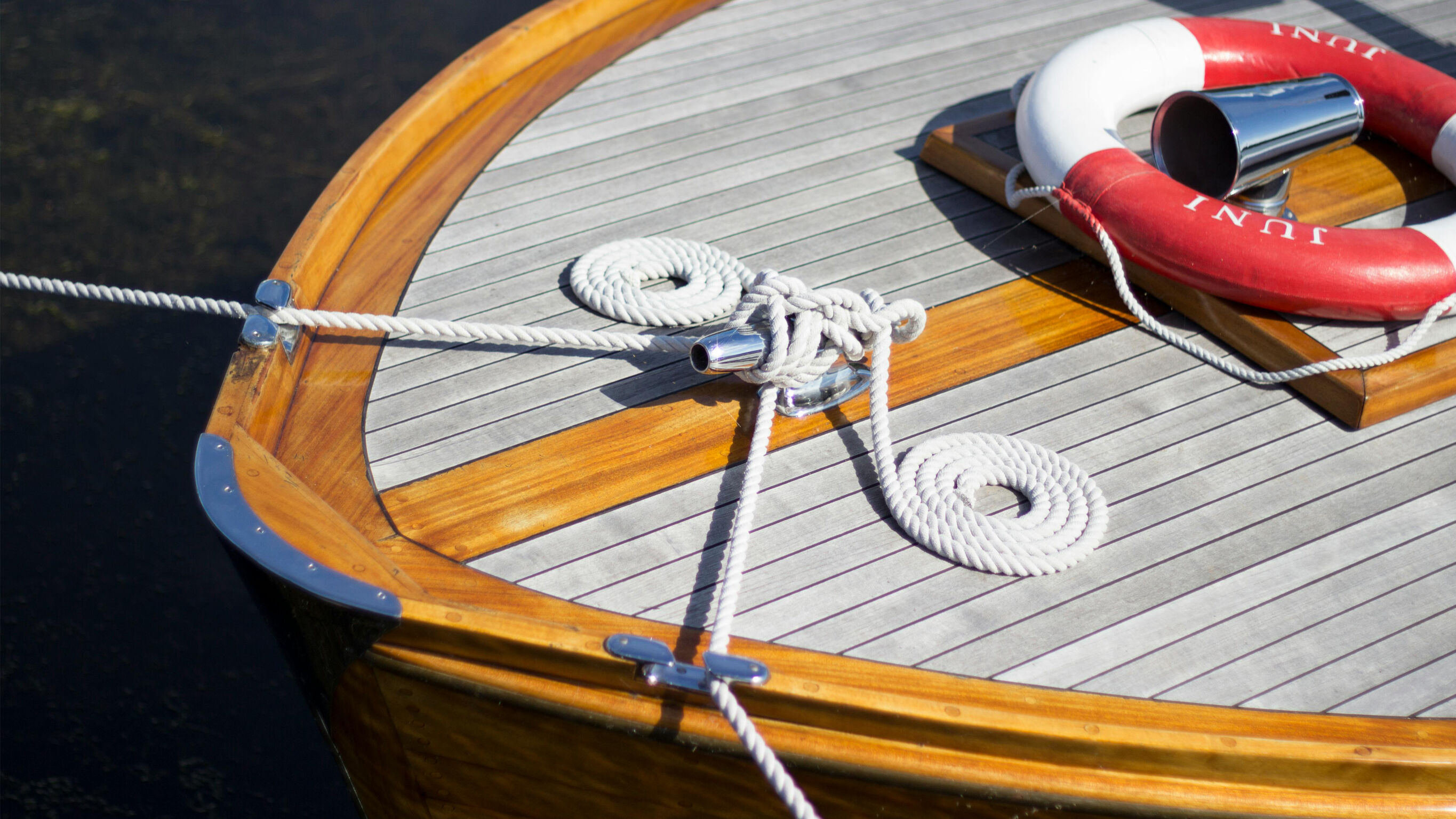
If you’re in the marine industry, chances are high that on a regular basis you need to purchase rope by volume. Purchasing bulk commercial marine rope can help you save money, however; make sure that you are getting a good deal from a reputable seller. At RIOOP, we know that businesses need strong, dependable rope at prices they can afford. That is why we give discounts for bulk rope.
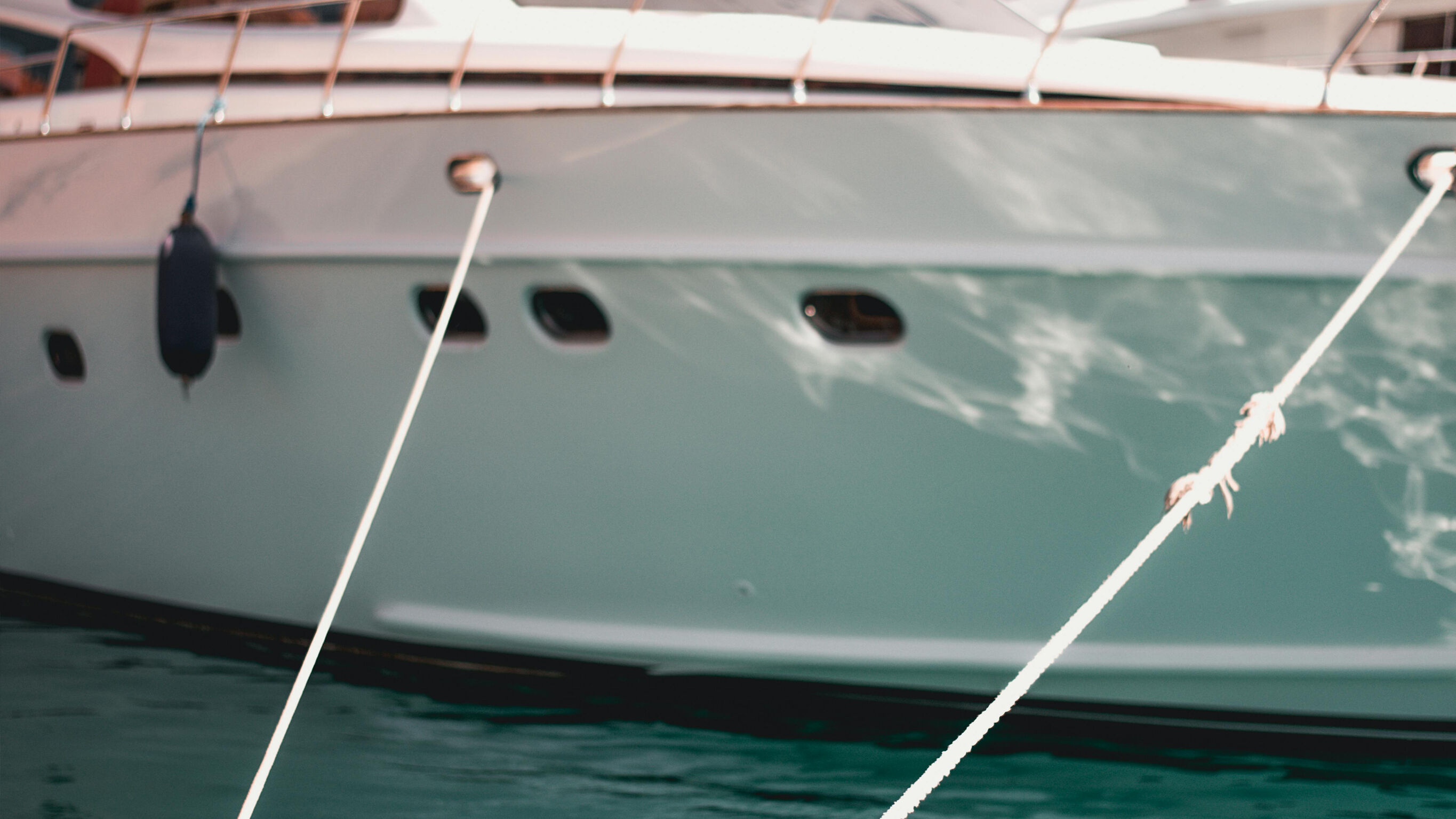
Different ropes have different strengths. For instance, nylon ropes are incredibly strong and can be stretched before breaking. This stretching is useful when there are abrupt pulls or shocks, as in the case of a boat hit by waves. Polyester ropes are also quite strong, though they don’t stretch very much. That’s very useful for steady loads, in other words when you don’t want the rope to change length.
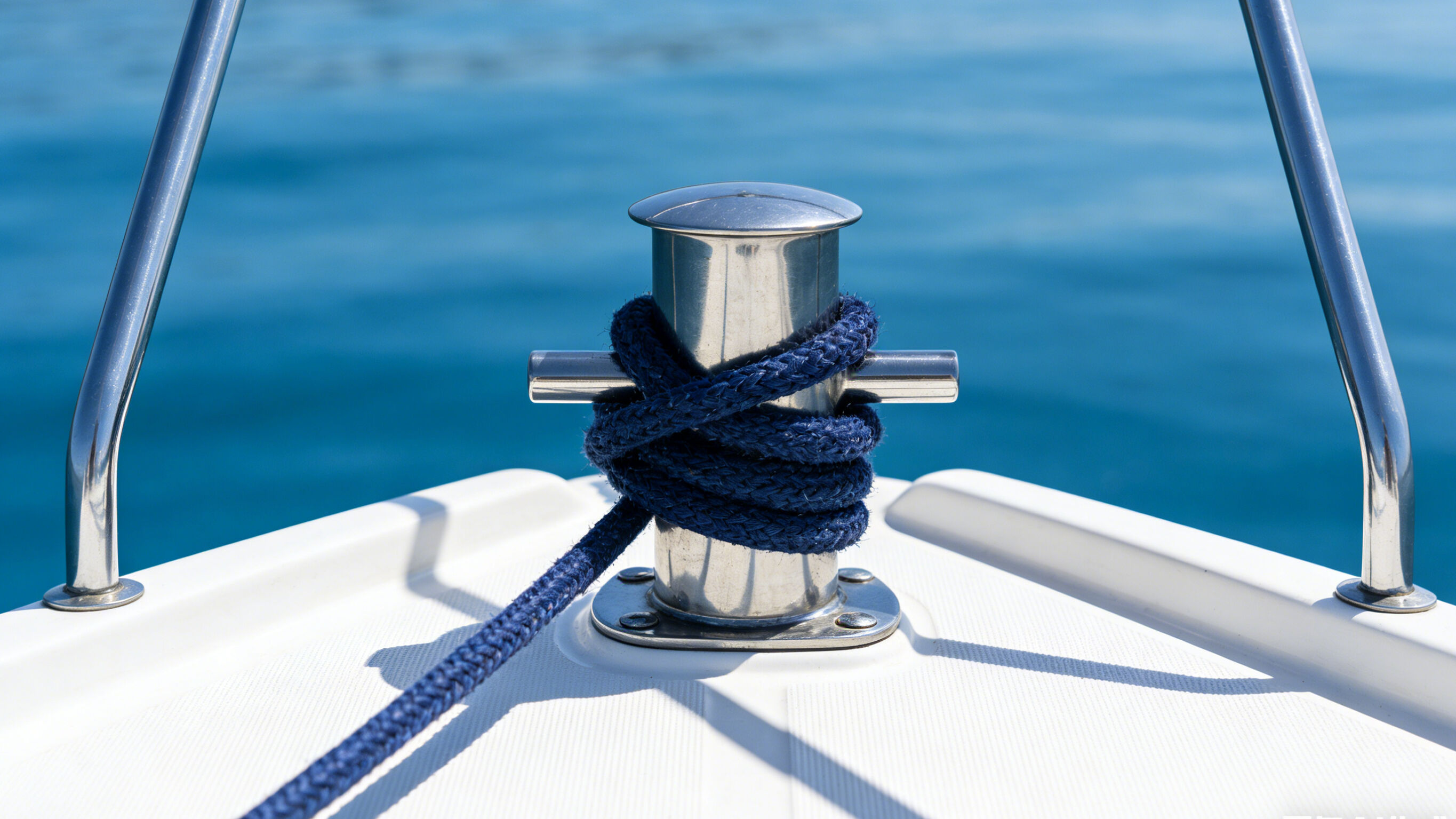
Longevity includes how the rope will hold up to things like sun, salt water and scraping against rough surfaces. Some ropes weakened or broke more quickly when exposed to salt and sun. That’s undoubtedly one of the reasons why synthetic ropes, such as those made from polyester and nylon, are so popular—they’re more resistant to such issues than natural fiber types. Less replacement expense and fewer safety risks are the result when a rope lasts longer.