EN
EN

Electric Fence Rope & Wire: The Complete Buyer's Guide
Everything farmers, ranchers and farm-supply distributors need to know about electric fence rope, polywire and polytape — construction, specs, animal-by-animal selection and sourcing.
- What is electric fence rope?
- Rope vs polywire vs polytape vs steel wire
- Reading the specs: resistance, conductors, breaking load
- Typical specification ranges
- Choosing by animal type
- Sizing the fence: strands, spacing & energizer
- Permanent vs portable fencing
- Common faults & how to avoid them
- Buyer's checklist for suppliers
- FAQ
1. What is electric fence rope?
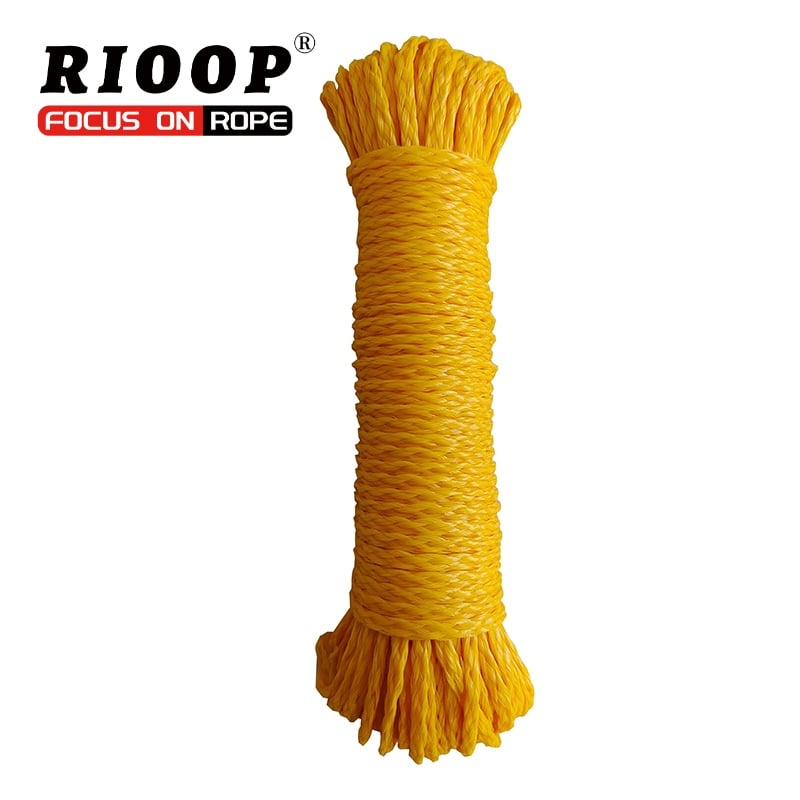
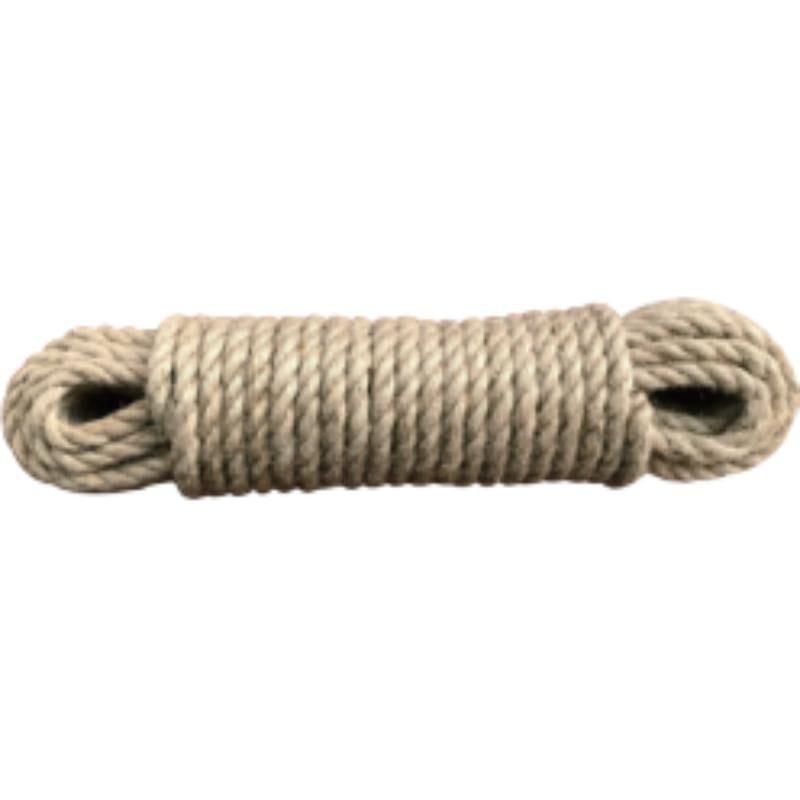
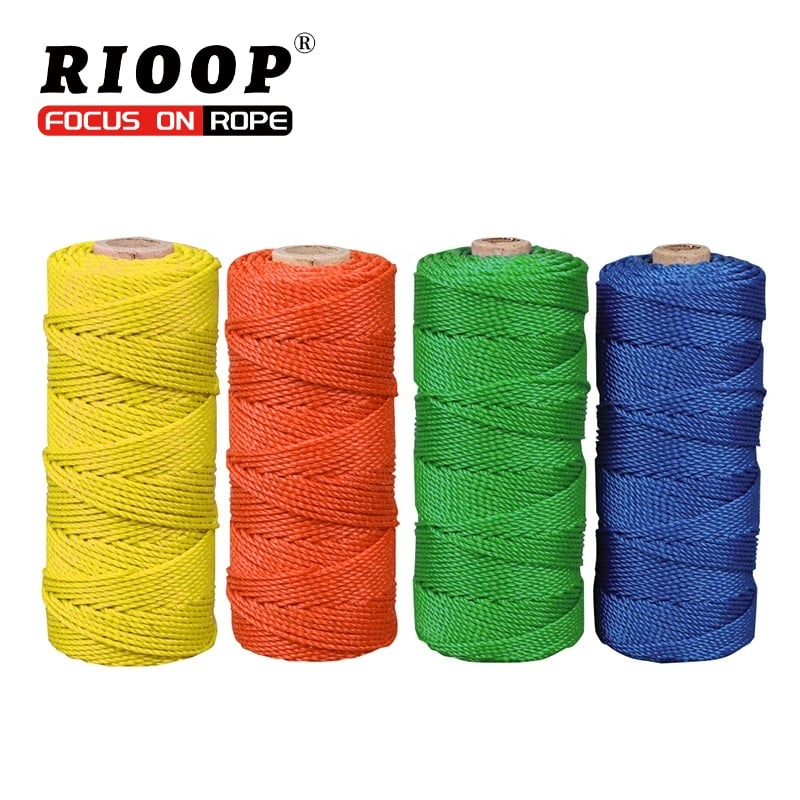
Electric fence rope — also sold as polyrope — is a fencing conductor built from UV-stabilized polyethylene (PE) or polypropylene (PP) filaments braided or twisted around a core of thin metal wires. The plastic yarns provide strength, flexibility and weather resistance; the embedded metal strands carry the pulse from the energizer to the animal's nose.
A typical rope carries 3 to 9 conductive strands of 0.15–0.30 mm stainless steel or copper wire, in diameters from 3 mm to 9 mm, supplied on coils of 200–1,000 metres. It is the "premium tier" of electric fencing line: more visible and stronger than polywire, easier to handle and far safer for horses than steel wire.
Its job is simple but unforgiving. Livestock respect a fence they can see and remember. A visible, consistently conducting line turns a psychological barrier into a reliable one — which is why rope is the default choice for boundary fences, paddock divisions and laneways on cattle and horse operations worldwide.
2. Rope vs polywire vs polytape vs steel wire
Four conductor formats dominate the market. They are not interchangeable — each solves a different problem.
| Type | Construction | Best for | Trade-offs |
|---|---|---|---|
| Electric fence rope | PE/PP yarns braided around 3–9 metal strands; 3–9 mm dia. | Permanent boundary fences, horse fencing, laneways, high-traffic paddock divisions | Highest cost per metre; heavier to handle than polywire |
| Polywire | 2–3 mm "wire-like" line with 3–9 thin metal filaments | Portable and rotational grazing, temporary subdivision, long runs on a budget | Less visible than rope; tangles more easily; lower breaking load |
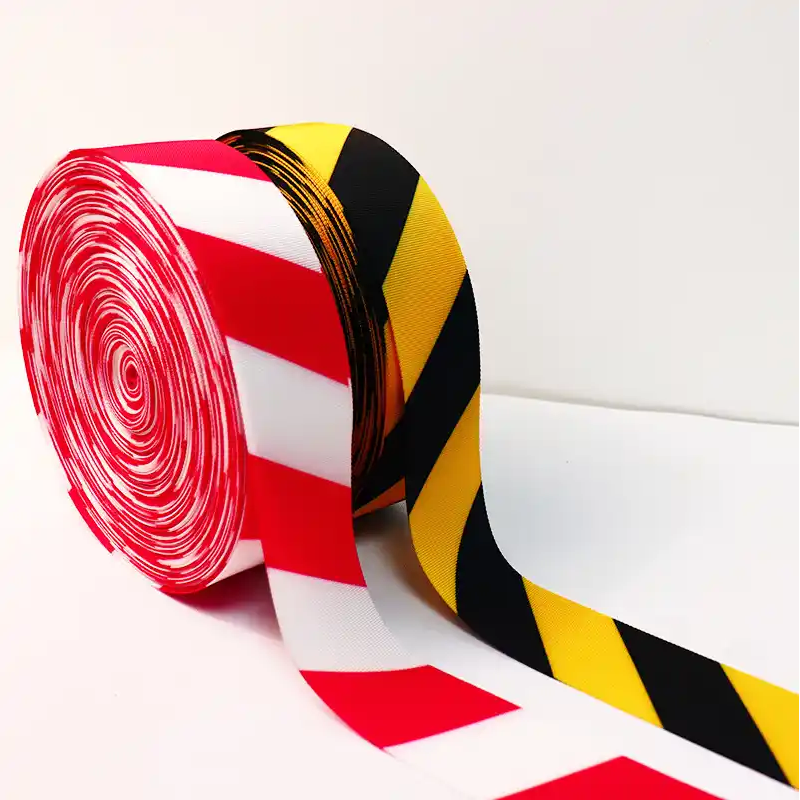
| Polytape | Flat PE ribbon 10–40 mm wide with 3–8 metal strands | Maximum visibility — horses, roadsides, boundary marking, wind-prone areas | Catches wind (sag and flapping); weaker per metre; harder to splice |
| Steel wire | Galvanized or high-tensile plain wire | Permanent high-tensile fences, very long runs, minimal-budget permanent fencing | Poor visibility; injury risk for horses; needs tensioners and strong end assemblies |
Quick rule of thumb: rope for anything animals will lean on or see daily; polywire for strip grazing you'll move weekly; polytape when visibility beats everything; steel wire for cost-optimized permanent perimeter runs. A detailed comparison is covered in our rope vs polywire vs polytape guide.
3. Reading the specs: resistance, conductors, breaking load
Electrical resistance (Ω/m)
Resistance per metre determines how far you can run a fence line before voltage drops below what animals respect. Published catalogs show stainless-steel rope typically at 2–16 Ω/m depending on diameter and conductor count, while copper-conductor versions routinely hit 0.03–0.2 Ω/m — copper conducts roughly six times better than stainless steel. Lower resistance means longer runs, fewer voltage problems, and fewer animal "escapes" that farmers blame on the energizer but that are actually the conductor.
Conductor material
Three materials appear in commercial rope:
- Stainless steel (usually #304): the workhorse. Good conductivity, excellent corrosion resistance, lowest cost. The standard choice for most rope.
- Copper (bare or tin-plated): best conductivity; tin plating prevents oxidation and extends service life. The right choice for very long fence lines or low-joule energizers.
- Carbon-fiber / composite: mainly in polytape and some polywire; good conductivity and no corrosion, but lower mechanical strength.
Breaking load
Published specs range from roughly 40 kg on 2 mm polywire to 670 kg on 9 mm rope. Match this to livestock pressure and fence length: a boundary fence carrying cattle pressure over long spans needs 200 kg minimum; a paddock subdivision rope under moderate load works well at 100–200 kg. Note that wind loading on long spans — not animal pressure — is what usually breaks under-rated rope.
UV stabilization and visibility
Ask whether the polyethylene yarns are UV-stabilized. Non-stabilized rope degrades within one to two seasons, shedding fibers around the insulators. For visibility, white and blue-white rope is easiest for animals to see; black rope disappears against background but lasts longest because carbon black is itself a UV protectant.
4. Typical specification ranges (industry reference)
The table below consolidates typical published specifications from major electric-fence line manufacturers. Treat these as industry reference ranges, not a substitute for a specific quote — exact values vary by manufacturer and grade.
| Format | Diameter | Conductors (typical) | Resistance (typical) | Breaking load (typical) |
|---|---|---|---|---|
| Polywire | 2–3 mm | 3–9 × 0.15–0.25 mm SS | 2–16 Ω/m | 40–120 kg |
| Rope (light) | 4–5 mm | 6 × 0.15–0.20 mm SS | 4–8 Ω/m | 200–250 kg |
| Rope (standard) | 6 mm | 6 × 0.15–0.30 mm SS, or 6 × 0.30 mm Cu | 0.03–8 Ω/m | 240–320 kg |
| Rope (heavy) | 8–9 mm | 6–9 × 0.20 mm SS | 3–4 Ω/m | 520–670 kg |
| Polytape | 10–40 mm wide | 4–8 × 0.15–0.30 mm SS | 2–12 Ω/m | 50–200 kg |
Source: published product specifications from established electric-fence line manufacturers (stainless-steel and copper conductor catalogs). Ranges reflect common commercial grades as of 2026.
5. Choosing by animal type
Animal behaviour — not rope thickness — should drive your selection. The rule: the harder it is for the animal to feel the shock through its coat or hide, the more conductivity and voltage you need.
| Animal | Recommended line | Why |
|---|---|---|
| Cattle | 4–6 mm rope or polywire; 6+ conductors; standard UV rope | Short coat conducts well; 4–5 kV at the fence end is sufficient. Rope earns its cost on boundaries cattle test daily. |
| Horses | 6 mm rope or 20–40 mm polytape; high visibility | Visibility prevents panic injuries. Avoid thin wire and low-visibility tape — horses can tangle a leg in a fence they didn't see. |
| Sheep & goats | Polywire or 4–6 mm rope with maximum conductivity (copper preferred); 4–7 kV | Wool and goat hair insulate. Conductivity matters more than visibility; extra voltage compensates for the coat. |
| Pigs | 3–4 mm polywire or rope, sturdy posts | Pigs root under fences — the line must sit low and the fence must be physically strong, not just electric. |
| Pets / small livestock | 2–3 mm polywire; low-joule energizer | Light, cheap, easy to reposition; no need for heavy breaking load. |
6. Sizing the fence: strands, spacing & energizer match
The best rope on a badly designed fence still fails. Three design rules from standard electric-fencing practice:
- Strand count by animal: cattle and horses — 2–3 strands; sheep and goats — 4–5 strands (accounting for lambs/kids); mixed operations — 3–4 strands with the lowest strand low enough for the smallest animal.
- Height spacing: roughly 30–40 cm between strands for cattle, tighter (25–30 cm) for sheep. The top strand should be at or slightly below the animal's shoulder height.
- Energizer match: a common sizing benchmark is 1 joule of stored energy per kilometre of fence line for permanent installations, with enough output voltage (typically 6–10 kV open-circuit) to hold 4–7 kV at the far end. If you're running copper-conductor rope (low Ω/m), a modest energizer will still perform — that's where low-resistance rope pays for itself.
Also invest in proper insulators. A perfect conductor on a cracked insulator leaks the pulse to the post and produces exactly the "weak fence" farmers blame on the rope.
7. Permanent vs portable fencing
Permanent fences (boundaries, laneways, paddock perimeters) should use 6 mm rope or heavier, on substantial posts with high-quality insulators. The rope will stay for 5–10 years; the marginal cost of heavier rope is small against re-fencing labor.
Portable and temporary fences (rotational grazing, fodder crops, re-breaks) favor polywire or 4–5 mm rope on tread-in or fiberglass posts. Weight and rollability matter more than breaking load — you'll move this fence dozens of times per season. For a deeper look, see our guide to portable electric fencing for rotational grazing.
8. Common faults (and how to avoid them)
Most "the fence doesn't work" calls trace back to a handful of avoidable problems:
- Vegetation shorting: grass and weeds touching a strand leak the pulse to ground. A fence that tested at 8 kV in June reads 3 kV in August — not because the rope failed, but because nobody sprayed the line. Keep a 30 cm vegetation-free strip under the fence.
- Insulator failure: cracked or carbon-tracked insulators are the second-biggest fault source. Buy quality insulators rated for rope diameter; a poor insulator wastes the best rope you can buy.
- Bad joins: a loosely twisted conductor join shows up as an intermittent fault that passes a tester one day and fails the next. Twist conductor strands tight, fold back, and clamp.
- End-assembly failure: rope terminated on a weak end post or with a slip knot will pull loose under wind load. Use proper strainer handles or tensioners on permanent fences.
- UV neglect: non-stabilized rope left on the coil in the sun for a season arrives at the fence already brittle. Store coils covered.
A five-minute fence walk with a voltmeter at the far end of each line catches all of these before the animals do.
9. Buyer's checklist for suppliers
Whether you're a farmer ordering one pallet or a distributor setting up a supply program, ask any prospective supplier these questions:
- What is the exact resistance (Ω/m) of the quoted rope, and was it measured on the finished product or calculated from conductor specs?
- What conductor material is used — bare stainless steel, tin-plated copper, or a mix? What strand diameter and count?
- What is the breaking load, and is it tested per batch or estimated?
- Is the polyethylene UV-stabilized, and what is the claimed outdoor service life?
- What coil lengths and weights are available (200 m / 400 m / 500 m / 1,000 m), and how is the coil wound for payout?
- Are colors customizable (white, blue-white, black) and is the color through-dyed or surface-coated?
- What MOQ, lead time and payment terms apply, and can the supplier ship to your port?
- Can they provide samples for field testing before a container order?
A supplier who answers all eight with data rather than adjectives is a supplier worth a second email. RIOOP answers them with a full spec sheet — request one here.
10. FAQ
What is the best electric fence rope for cattle?
4–6 mm rope with at least 6 stainless-steel conductors, 200 kg minimum breaking load, UV-stabilized. For boundary fences that carry daily pressure, step up to 6 mm with copper conductors if you run long lines on a small energizer.
How many ohms per metre should electric fence rope have?
For stainless-steel conductor rope, 2–8 Ω/m is typical across the 4–9 mm range. Copper-conductor versions reach 0.03–0.2 Ω/m. For permanent fences over 1 km, aim for the lower end — every ohm of resistance costs voltage at the far end.
Is electric fence rope better than polytape for horses?
Rope is generally safer for horses: it has no loose edges to tangle legs, doesn't flap in wind, and carries far higher breaking load. Polytape wins only on raw visibility. Many equine operations use rope with a top strand of tape.
Can I join two ends of electric fence rope?
Yes. Strip the braid back, twist the conductor strands together tightly (a poor join is the #1 cause of fence faults), then cover with a rope clamp or figure-eight splice. A good join is invisible to the animal.
How long does electric fence rope last outdoors?
Quality UV-stabilized rope typically serves 5–10 years in permanent installations. Polywire has a shorter life (3–5 years) because it is thinner and lighter-built. Store unused coils out of direct sun.
What voltage do cattle, sheep and horses need?
Rule of thumb: cattle 4–5 kV minimum at the fence end, horses 3–5 kV, sheep and goats 4–7 kV (wool insulates, so they need more). Measure at the far end of the line, not at the energizer.
Do you supply electric fence rope wholesale?
Yes. RIOOP manufactures electric fence rope and polywire with configurable conductor spec, diameter, color and coil length, supplied on pallets for distributors and farm-supply chains. Contact us for specs, samples and MOQ details.
Source electric fence rope direct from the manufacturer
RIOOP manufactures electric fence rope, polywire and polytape with configurable stainless-steel or copper conductors, full UV stabilization and customizable coil length and color — shipped direct to farm-supply distributors and fencing contractors worldwide.
View Electric Fence Rope Specs WhatsApp: +86-135-0548-2992Specification note: values in this guide are typical industry ranges compiled from published manufacturer catalogs and standard electric-fencing practice. Product-specific configurations and quotes are confirmed at enquiry stage.
 Hot News