EN
EN

Ordering rope in bulk can look simple: choose a material, ask for a price, approve a sample, and place the order. In reality, many import problems begin before payment is made. The wrong specification, unclear packaging request, weak inspection plan, or vague lead time can turn a cheap quote into a costly mistake.
For first-time importers, Amazon sellers, Shopify brands, and growing distributors, the best protection is a better question list. This guide covers the key questions to ask rope supplier teams before confirming a bulk order.
A rope order is not only a product purchase. It is a specification, packaging, production, inspection, and shipping project. If key details are missing, the supplier may make assumptions that do not match your market.
That can lead to wrong diameter, inconsistent color, unsuitable material, poor packaging, delivery delays, or product descriptions that do not match the actual goods. A practical rope import checklist helps catch those risks early.
Start by understanding who you are buying from. A factory may control production directly. A trading company may offer broader sourcing support. Some suppliers combine both roles.
None of these models is automatically wrong, but you should know who controls production, who handles quality checks, and who is responsible if goods do not match the approved sample.
Not every supplier is strong in every rope category. Ask about the supplier's main materials, such as PP, PE, polyester, nylon, or other synthetic options. Also ask about construction types, including twisted rope, braided rope, and double braided rope.
This is one of the most useful rope supplier questions because it shows whether the supplier fits your product line.
MOQ affects cash flow, inventory risk, and SKU planning. Ask for the minimum order quantity by material, diameter, color, length, and packaging type. Custom colors, private labels, or special packaging may require a higher MOQ.
For e-commerce sellers, ask whether mixed-SKU orders are possible. A flexible first order can help test demand without carrying too much inventory.
Customization can include color, diameter, length, construction, packaging, label design, barcode labels, cartons, and private-brand presentation. For Amazon or retail channels, packaging can be as important as the rope itself.
Ask what can be customized, what costs extra, and what must be confirmed before sampling. For OEM projects, request a written specification sheet.
Do not assume every rope has the same documentation. Ask what test reports, quality records, or compliance-related documents are available for the product.
Be careful with safety-related or load-bearing applications. General-purpose rope should not be sold as certified lifting equipment unless it is designed, tested, labeled, and approved for that use.
Before a bulk order, ask whether samples are free or paid, who covers freight, how long sampling takes, and whether the sample will match mass production.
The sample should become your reference standard. Check material feel, diameter, color, finish, length, label, and packaging.
Lead time should be more specific than "soon" or "about one month." Ask for timelines for sampling, material preparation, production, packaging, inspection, and shipment handover.
Also ask what could delay the order. Custom packaging, color matching, peak-season production, missing artwork, or late deposit payment can all affect timing.
Quality inspection should be discussed before production starts. Ask what the supplier checks during production and before shipment, such as diameter, length, color, construction, packaging, labeling, and quantity.
For first orders, many buyers request production photos, packing photos, or third-party pre-shipment inspection. Having a plan is better than discovering problems after arrival.
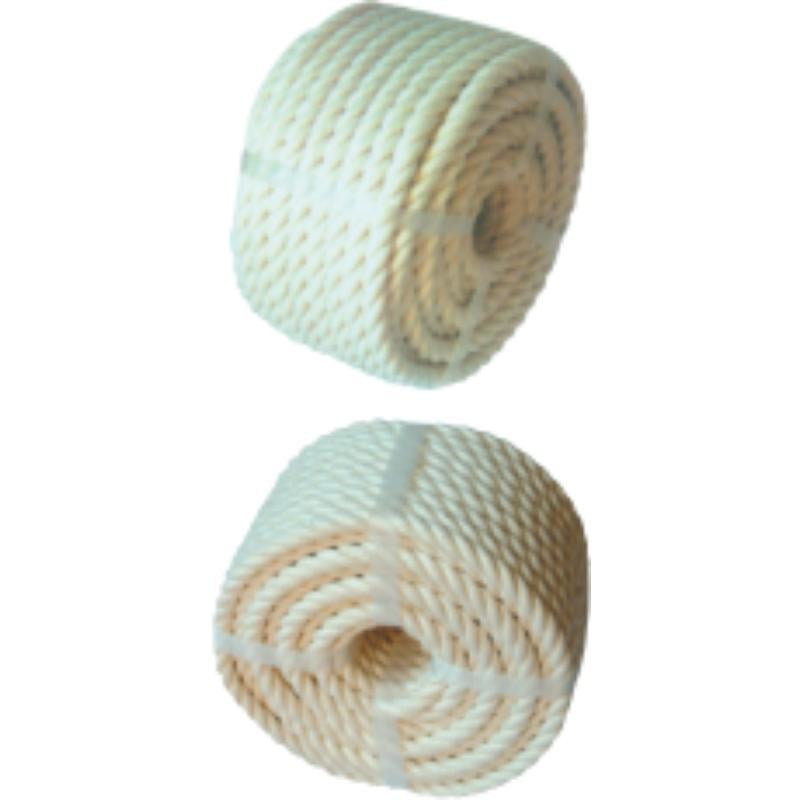
Packaging affects shipping cost, retail presentation, warehouse handling, and customer experience. Ask whether the supplier can provide coils, reels, bundles, poly bags, color labels, cartons, barcode labels, or retail packaging.
If you sell online, check carton dimensions and labeling requirements early. A small packaging mistake can create extra fulfillment work.
Export experience matters because markets have different expectations around packaging, labeling, documentation, and communication. Ask whether the supplier has shipped to your target region.
This helps you judge whether the supplier can support your buying process beyond the factory floor.
Before confirming a purchase order, make sure you have:
final rope material, diameter, length, color, and construction
approved sample or written specification
confirmed MOQ and price terms
packaging and label details
sample and production lead time
inspection plan
shipping terms and destination details
required documents or test reports
This bulk order checklist gives you a cleaner baseline for comparing suppliers.
Ask whether the supplier can make the exact rope you need for your application, not just whether they can offer a low price.
Yes, especially for a first order or custom product. Samples help confirm material, construction, color, packaging, and finish.
Many buyers compare at least three qualified suppliers to understand price, communication, MOQ, packaging, and production capability.
Yes. Share your target application, material, size, packaging needs, estimated quantity, and destination market. RIOOP can help review the details.
The best time to prevent a sourcing problem is before the order is placed. By asking the right questions about MOQ, materials, customization, documentation, lead time, quality inspection, packaging, and export experience, importers can reduce avoidable risk.
If you are preparing a rope import checklist or comparing suppliers for your next bulk order, contact RIOOP for a low-friction consultation. Send your requirements, target market, and estimated quantity, and the team can help review the inquiry.
 Hot News
2026-08-07
2026-07-23
2026-07-14
2026-06-05
2026-05-22
2026-05-07