EN
EN

One of the most important things that a boat can have to stay in place when not moving and to keep out of the way of other boats is good boat anchor rope. It secures the boat into one position and prevents it from drifting off. The rope has to be strong and durable, as it’s exposed to water, wind, and pulling at all times. At our company, RIOOP, we make ropes the way you would like them to be made: with care so they last and keep your boat safe. A boat without a good anchor rope can be compared to a person who don’t have seatbelt, it’s dangerous and unsafe. The rope is the unsung hero of an anchor, says Scott Collard, president of Mantus Marine in Watsonville.
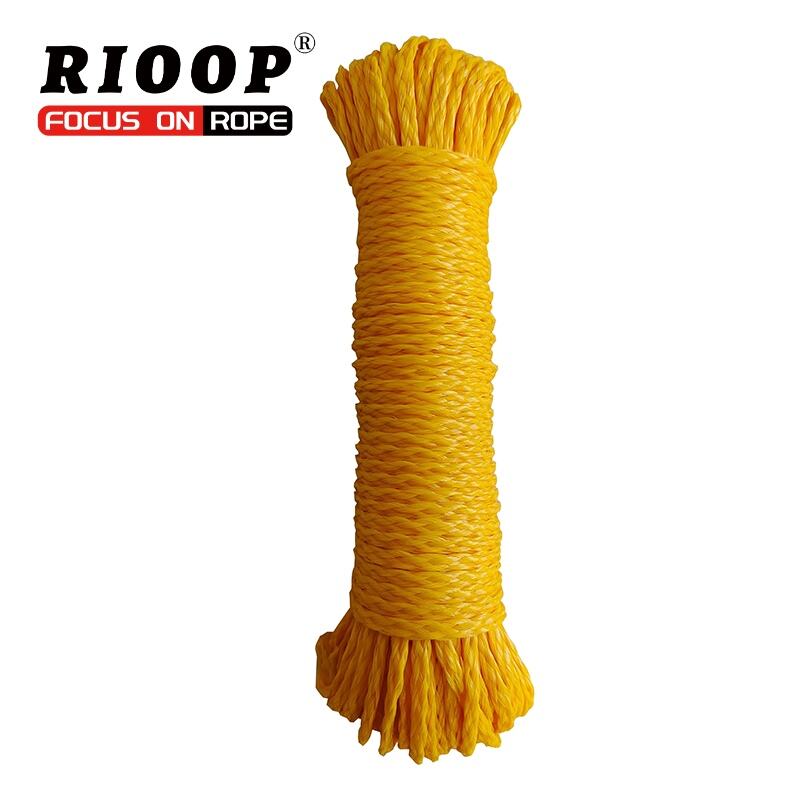
A good boat anchor rope must fulfill many requirements if it is to work properly. First, it needs to be very strong so that the line doesn’t snap when the boat is pulling on it. Special materials are used in RIOOP and it is not subject to wear. For instance: Nylon will stretch and absorb shock when waves hit the boat, which can prevent snapping. In contrast, polyester ropes are less elastic but very strong and more resistant to damage from sunlight. The type of boat and where you use it helps determine the right material to choose. The rope also needs to be heavy enough to support the weight of the boat and resist wind or current. If the rope is too fine, this will have a tendency to cut or abrade easily. But if it is too thick, it is heavy and unwieldy. This is exactly what RIOOP professionals design ropes for. The water and salt resistance of the rope is another significant factor. In some ropes, saltwater can cause rot or decay to happen quickly, and so that rope is treated or made from fibers which are not affected by salt. Indeed, we tend to overlook knots and how they weaken rope. A poorly tied knot can cut the rope’s strength in half. RIOOP also has tips on which are the best knots to tie so that your anchor rope is tight and safe. Finally, you should be able to make the rope float or sink if that’s what is needed. Floating ropes are easier to avoid (and in some locations, floating is a requirement), but sinking doesn’t snag on the boat propeller. Our ropes are available in either style so you can choose what best fits your boat and how you ride. All of these things matter because a boat anchor rope has a tough job to do — it needs to be able get the job done in many different types of situations, from flower-covered lakes to stormy seas. For those looking for an excellent choice, our 8STRAND BRAIDED ROPE is designed to meet these needs perfectly.
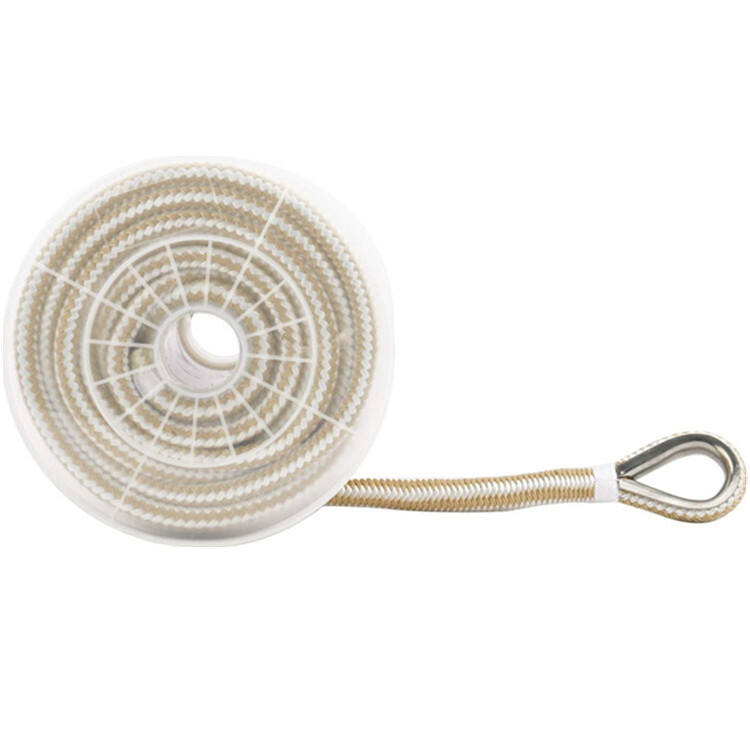
Boat anchor ropes have issues and they're not fixable if you don't know. One widespread problem is with the buildup of overuse and normal wear. Ropes gradually become frayed or thin from chafing against a sharp edge, like rocks, docks or even your own boat. This condition damages the rope, making it weaker and more likely to snap when you're relying on it. To prevent this, inspect your rope regularly and replace it if get wear marks. RIOOP ropes are designed with potent outer layers that resist abrasion, but no rope lives forever. Another issue is UV damage from sunlight, which gradually breaks down rope fibers and leaves them brittle. If you keep your rope in the sun constantly, it does lose strength. A rope with UV protection, such as those made by RIOOP, which we like because of their quality and remarkable durability for the price, will continue to slow down this process. But it’s smart to store the rope out of direct sunlight or protect it from the elements when not in use. People will use the wrong rope for their boat size, or type of water. As an example, a small rope on a big boat or the one that is not appropriate for salting sea water will wear out sooner. Understanding what your boat requires, and selecting the correct rope from the outset will save an immense number of headaches. RIOOP professionals can help you select the appropriate rope that fits your boat like a glove. Knots and tying techniques can also be problematic. Some knots will significantly weaken ropes, or slip under a load. It’s also important for safety to learn and use the correct knots. RIOOP provides simple steps that enable users to tie the ropes appropriately to prevent mishap. Finally, storing ropes poorly can lead to tangles, mildew or stiffening. Wet ropes stored coiled tightly can become moldy or difficult to manage. Dry off your rope good and coil it slack. I don’t know about you, but I live in a small penance of the world where rats crap on my ropes at night and even though our ropes are treated to resist mildew and mold, taking care of them makes them last longer. It’s not that difficult to fix these issues once you’re aware of what to look for. By taking care of your boat anchor rope and paying it some attention, you'll ensure that your boat is safe on the water, have a good time, back at shore ready for more without all the added expense (and potential safety risk) of repair.
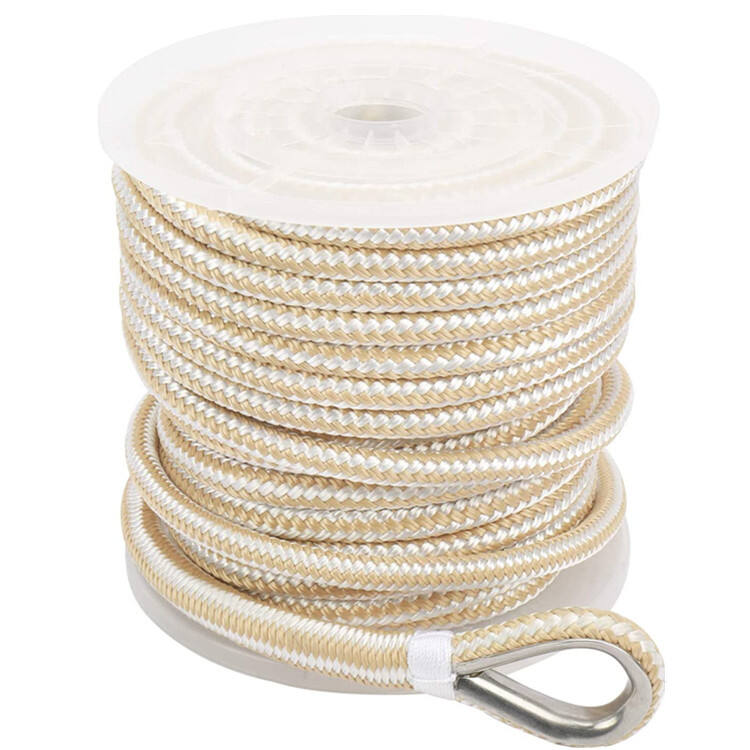
If you own a boat, then it’s important to have a good and strong anchor rope. The rope is what keeps your boat tied to the anchor, which ensures it stays in place up on top of the water. If the rope is not tough enough or has become worn down on one side, it could snap and send your boat drifting. And that’s why the rope boat anchor is made of matters a lot for how long it lasts and how strong it stays. All ropes are not created equal. Certain ropes can be weakened by water, sunlight or sturdy pulling. Others can stretch out too much or grow rough and unsafe to handle. Your boat anchor rope should be strong against these challenges. Synthetic-fiber ropes, such as nylon or polyester, are a popular choice because they do not rot and weaken when wet. They’re also resistant to sun damage, a big deal given how much boats are outside. Nylon ropes have a little stretch, which is good for absorbing shock when waves tug at the boat, creating a smoother ride and protecting both the anchor and rope. Polyester ropes don’t stretch as much, but are very strong and durable. When picking a rope, consider how it will be used. If you want a rope that will last for years and be able to bear heavy weights, you need materials that have undergone strength testing. That’s why, at RIOOP, we use high quality materials to make sure our boat anchor ropes are tough and last a long time. We want to ensure that you can go anywhere and know that your boat is safe and secure. The right material equals less worry, and more fun on the water. So as you see, what your boat anchor rope is made of isn’t a small thing at all – it’s the single most important factor in keeping your boat safe and ensuring that your rope lasts for many years. For those in search of quality, our POLYESTER 8STRAND HAWSER ROPE is an excellent option that combines strength and durability.
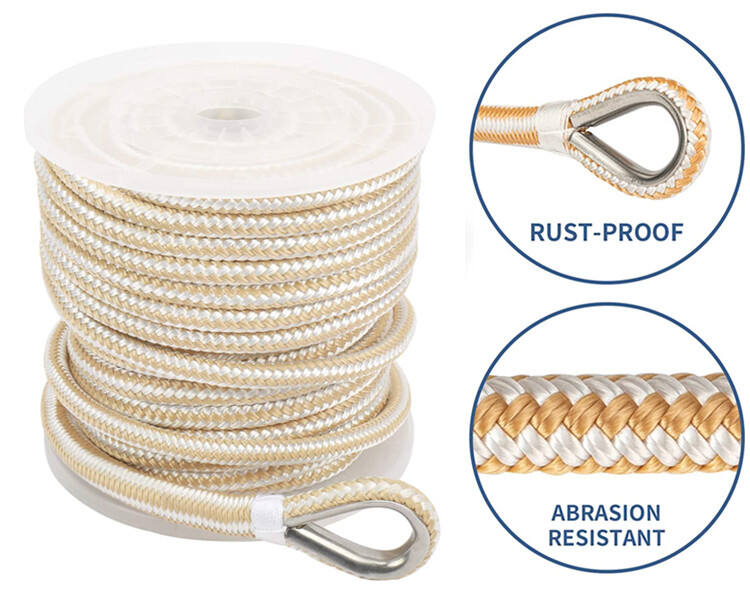
In the wholesale industry, there are many varieties of boat anchor ropes that are currently in demand. Folks want ropes that are strong, easy to work with and last. Some of the better ropes for boats are fashioned from manmade materials such as nylon, polyester and polypropylene. Each variety has extraordinary qualities that make it suitable for specific uses. The nylon rope is the most popular because it is durable and stretchable. This span minimizes damage that can occur to a boat and an anchor when there is much water movement. Polyester ropes are also popular because they do not stretch much but are very strong. They’re great in spots where you need the rope to stay put without any bouncing. Polypropylene ropes are light and float in water. They are commonly used on smaller boats, or when you want the rope to float in air. There has also been interest in braided ropes of late. Braided ropes are formed by plaiting three or more strands and thus make the rope very stable and smooth. They are also easier to roll into a coil and less inclined to kink up. At RIOOP, we carry a selection of boat anchor rope that follow these trends. Our ropes are available in various thickness and length to accommodate a variety of boats and applications. We've got ensure the ropes are made from top quality materials and powerful weaving techniques. This helps the ropes last longer and perform better. Marinas, boat shops and fishing businesses are choosing RIOOP as their wholesale supplier because they know we offer the kind of quality and diversity they demand. Whether you want ropes that float, stretch or are heavy duty and durable – RIOOP is the right choice for you. Learning about these trendy types can help you choose the best rope for your boat or business. Selecting the RIGHT rope makes boating safer and customers happier.