EN
EN

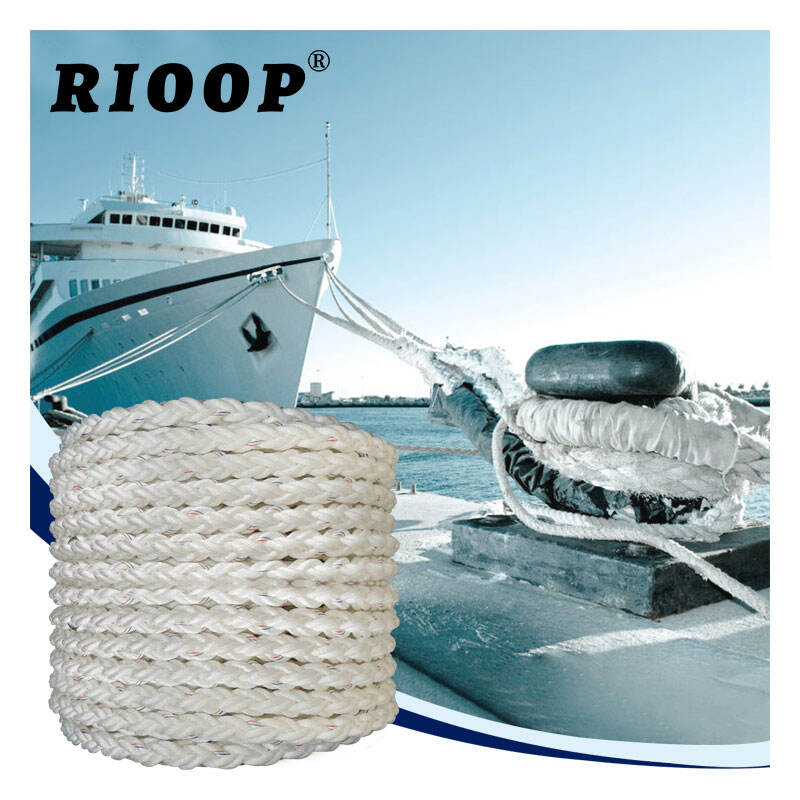
Boat mooring lines are an essential asset in the safety of your boat during non-use. These lines are used to tie the boat up at the dock or pier so that it doesn’t float away. Selected properly, mooring lines can make a big difference on how well your boat stays put. RIOOP Provides Quality Mooring Lines That Are Built to Last Today, we’ll discuss the construction of strong mooring lines in Connecticut, upstate New York and Massachusetts along with the problems faced by many who use them and how to prevent those.
There are several factors to consider when selecting mooring lines. The first thing you need to look for is the material. Strong materials like nylon or polyester are often used in good mooring lines. Nylon is stretchy and handles shock well, which is important any time the waves push against the boat. Polyester is very strong and doesn’t stretch as much, so it’s great for holding the boat in place. Both of the materials are resistant to the sun and salt water, so they can last for a long time.
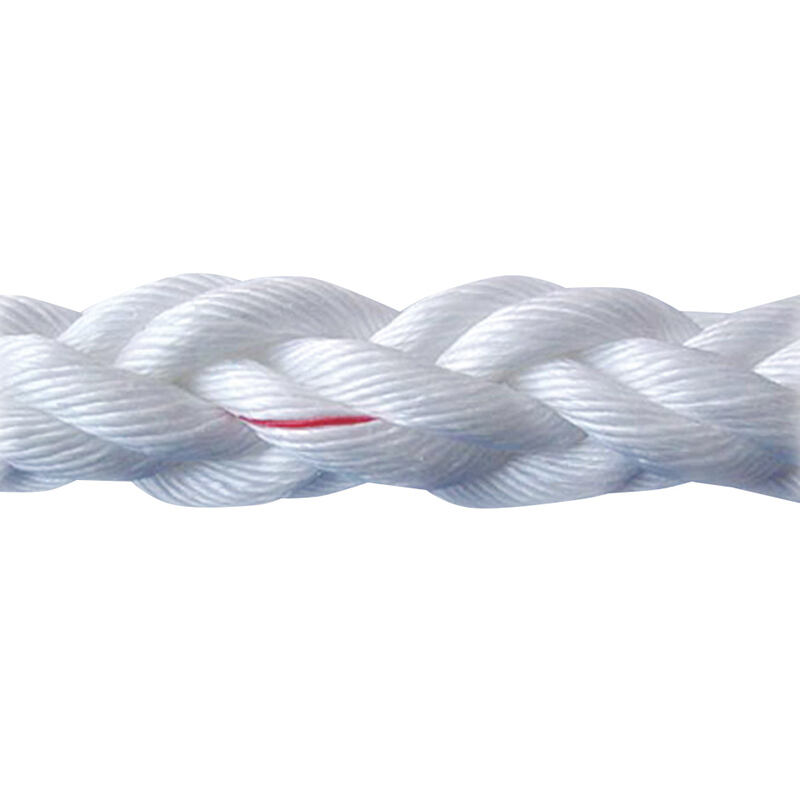
Then there’s the width of the line. Thicker lines tend to be stronger, but can also be heavy and difficult to work with. You are going to want this happy medium of strength and ease of use. If it is too thin you may risk breaking under the strain, and if it is too thick can be hard to tie or untie. Look for ones that are sized appropriately to your boat. For example, when choosing lines, consider options like BRAIDED ROPE which can provide added durability.
You can run into some problems if you’re not careful when mooring lines. A common factor is incorrect knots or knot-tying. If it slips, the line could work loose and your boat might float away. For tying knots, it is important that you are make good strong knots like bowline or cleat hitch. These knots are secure and easy to untie when you eventually need to depart.
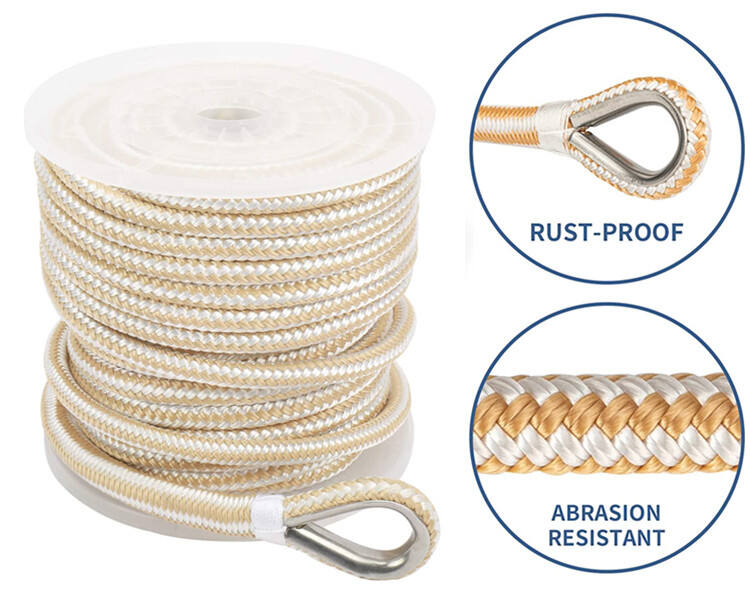
Selecting the right mooring lines is as important for boat safety. The RIOOP mooring lines are all-weather, non-absorbent and will have an elongation of 15% at breaking load. By inspecting your lines’ material, thickness, length and construction, you can be confident in the safety of your boat. Also be mindful of how you use and store the lines to prevent running into common issues. Your boat will be ready to go whenever you are, if you take good care of it!
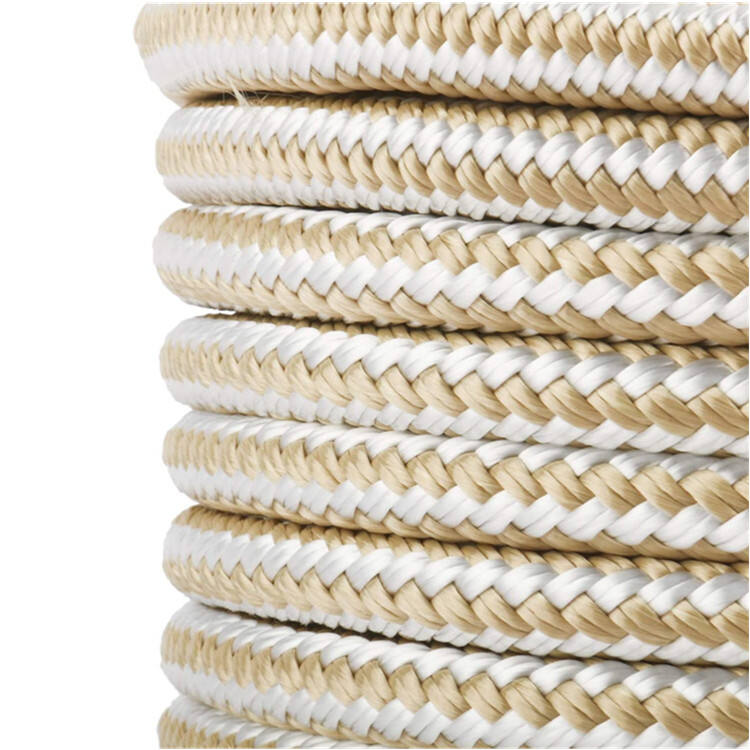
One essential thing you must have when you own a boat is the mooring lines. These are the ropes that keep your boat secured to a dock or a mooring in the water. In order to keep your boat safe and secure, it’s important that you know what size mooring lines you need. The proper sized one can help your boat stay in place, even when the wind and waves are strong. The thickness and length of camming lines varies. A thicker line is typically stronger and can support heavier boats. A 3/8-inch line may be sufficient for smaller boats, while larger ones might require lines that are 1/2 to 5/8 inch or more. The length of the mooring system is critical as well. You want them to be long enough to reach from your boat or location of relative safety on the dock, but not so long that they will drag in the water. As a rough guide, it should be at least one and a half times the height from water to dock. This means your boat can still drift without coming away altogether. The RIOOP comes with several mooring lines in various sizes to best fit your boat. Be sure to know the weight of your boat and select the lines appropriately. Why? So you can enjoy your time on the water without ever having to worry about your boat floating away! Additionally, investing in quality options like Lifting & Tie down can enhance your overall experience.
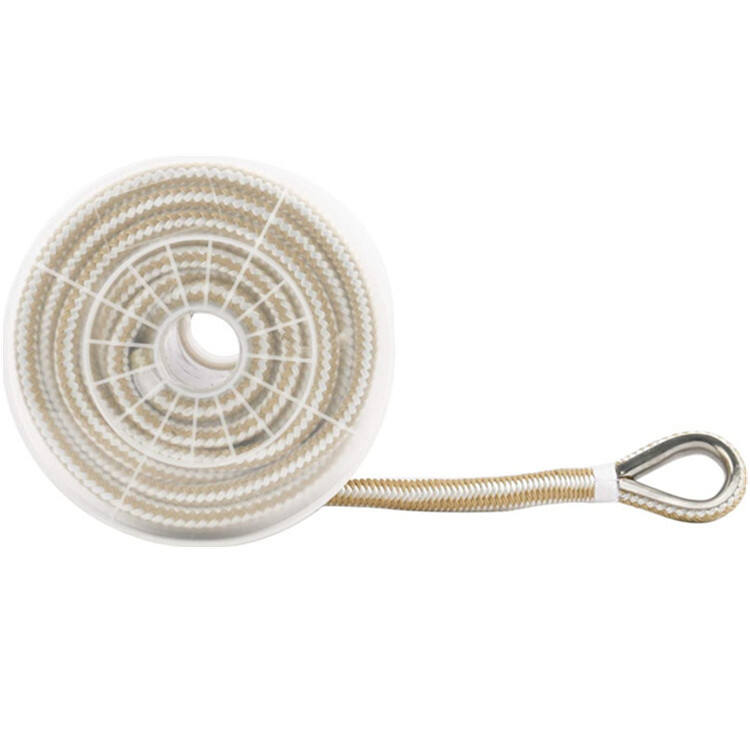
If you want to maintain your boat mooring lines, they must be looked after. Wear and tear can be fast when you are putting your boat to use often. One of the methods to prevent this is to flush your lines with fresh water after use. Then, saltwater does damage over time, and rinsing them helps remove those salt waters. Also, try to keep your lines in a cool dry location when not using them. This prevents them being directly under the sun, which can degrade the material. Another suggestion is to regularly inspect your mooring lines for wear — basically any signs of it, like fraying or cuts. If you see any wear, replace the line before it breaks. Chafe protection, such as sleeves or covers, is another way to keep your mooring lines from rubbing against rough surfaces. RIOOP offers fine selections in chafe guard for the safety of your lines. By following these simple steps, you will be able to prolong the life of your mooring lines and maintain a safely secured vessel.