EN
EN

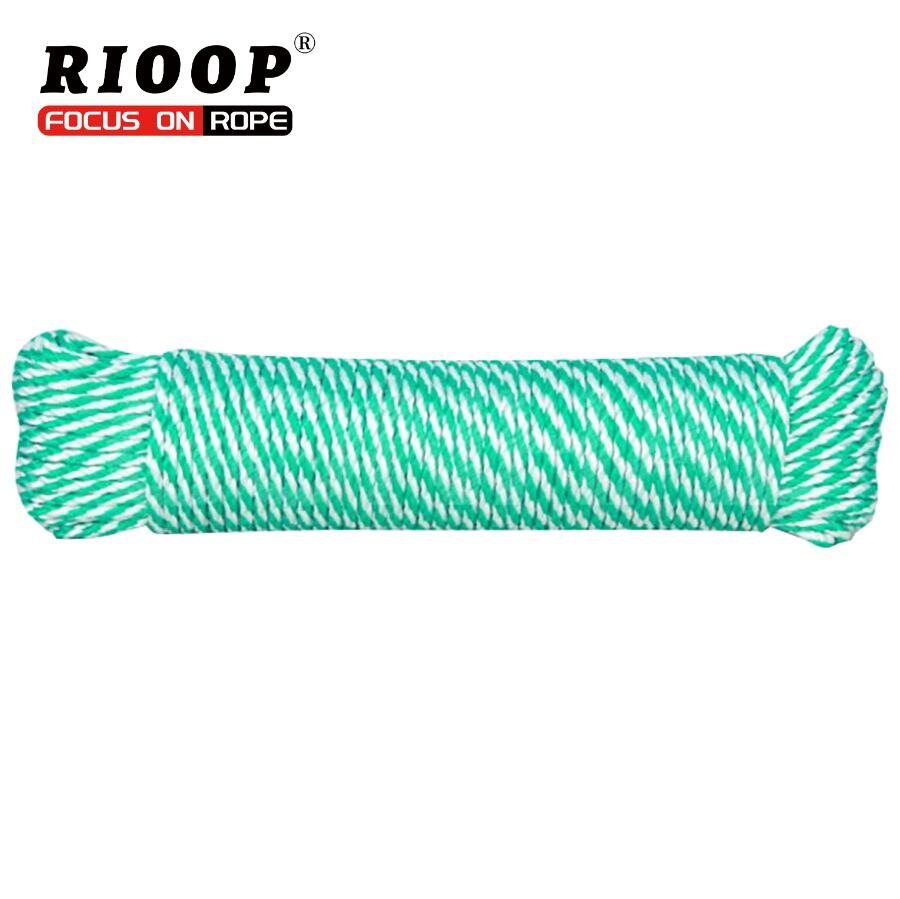
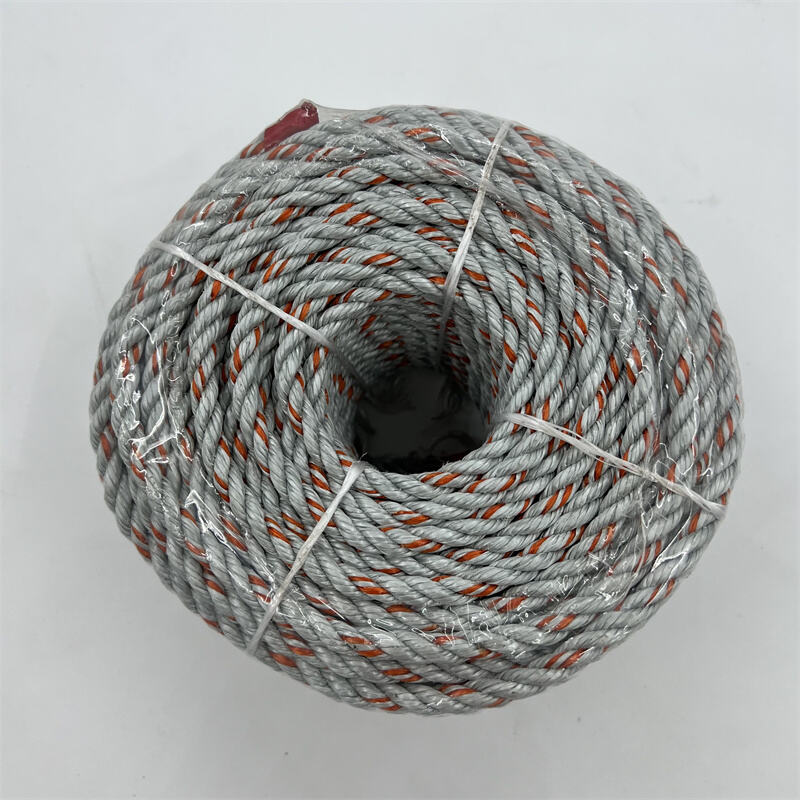
Towline is very important cargo for the ships. They are used to moor boats and ships after they pull into a harbor or port. Without these ropes, ships might drift away or run into other boats. Mooring rope is manufactured from material that has enough strength to support and restrain the vessel. RIOOP Durable Mooring Rope High strength mooring rope Makers of safe, reliable high quality mooring ropes. The best mooring ropes to keep a boat safe and secure will also help decide upon the correct ship’s rope,and that is where they this article comes in; here are some of the top ones available on the market today: What type of rope do you need?
What are the best mooring ropes for you? They need to be able to lift heavy objects and withstand wear and tear. Nylon or polyester ropes are some solid options. Nylon is stretchy, so it can absorb shock when a ship pulls against the rope. This will help to avoid causing damage to both the ship and dock. Polyester, on the other hand, is less susceptible to sun and water damage and is known for its durability in harsh conditions. RIOOP has a selection of mooring ropes that include some of these materials in the same rope to give strength and resistance.
The next is the thickness of the rope. Thicker ropes can take more load while, however, it’s also heavier and harder to manipulate. It’s the proper thickness, depending on the size of the ship. For smaller boats, a thinner rope should work ok. But thicker ropes are required to safely handle larger ships. RIOOP ships with ropes in varying sizes, so you can get right the length for your craft.
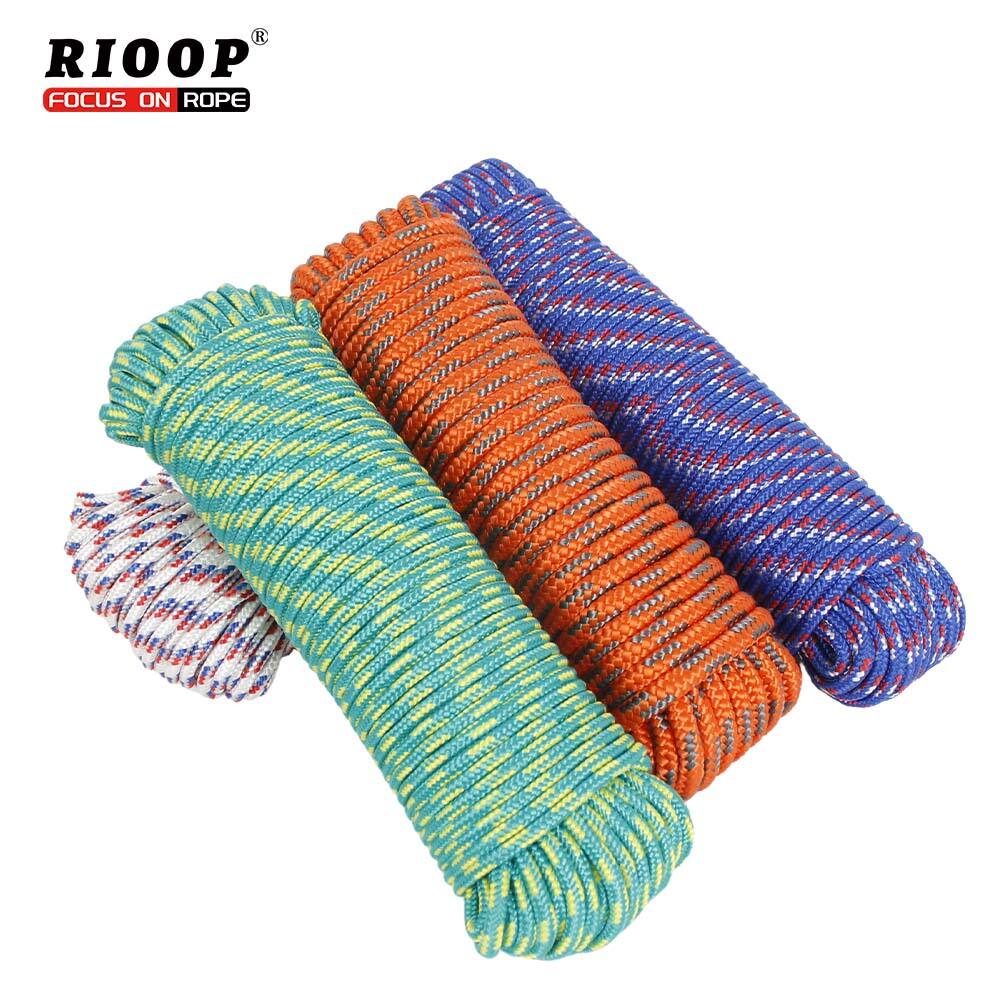
Color of the rope may also matter, in addition to strength. Bright(er) colors can be more visible, particularly at night or in dangerous weather. This can allow crew members to see the ropes and lessen the risk of accidents. RIOOP also sells ropes in different colors, so you can opt for one that pops. By choosing right mooring rope, docking will become a breeze. Selecting a rope that is well made and compatible with your ship’s requirements is always important.
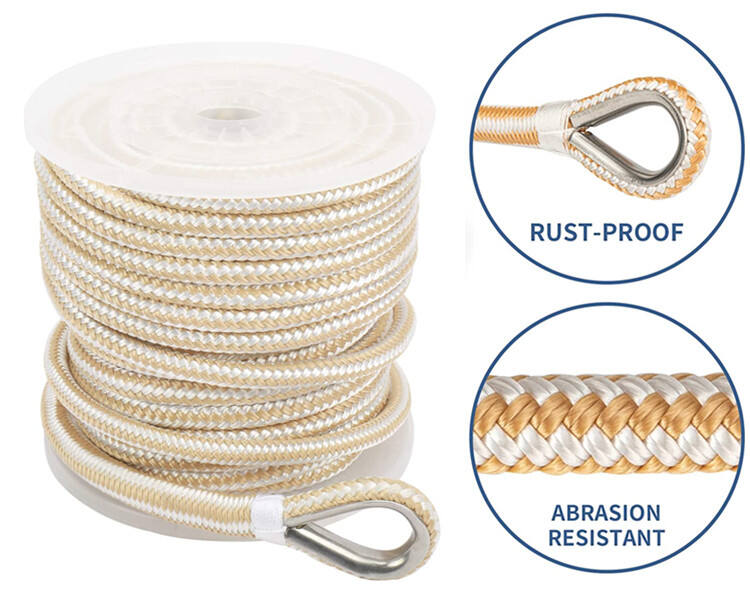
When it comes to selecting the perfect mooring ropes, there are a few things you will want to consider. Start by thinking about what kind of ship you have. Small boat or big cargo ship? This can aid in getting a sense of what size and type of rope to buy. For instance, the ropes that bind large ships need to be strong enough to support heavy loads. RIOOP boats ropes for various types of vessels, and this one is the right fit.
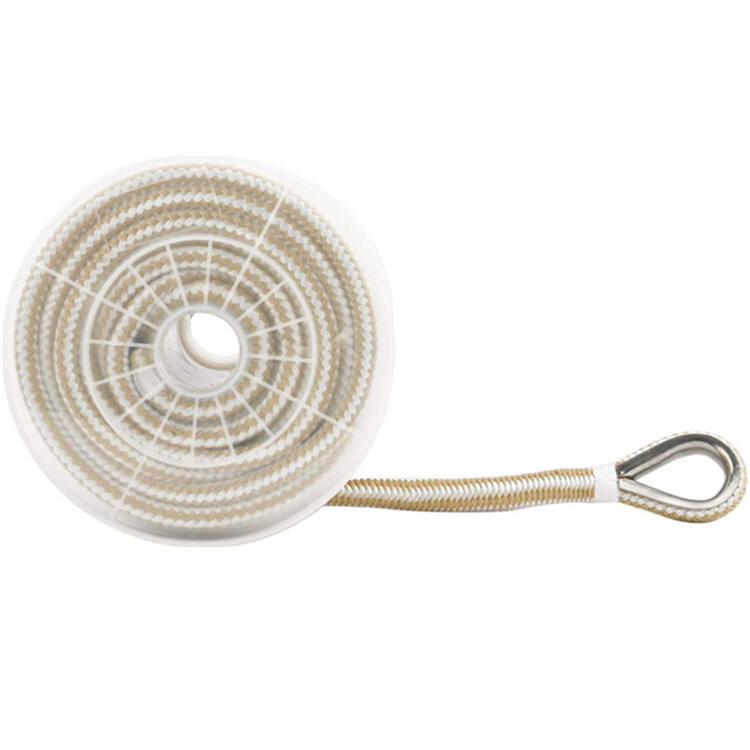
Mooring ropes are an essential safety element of ships. These thick ropes are used to moore the ship to a dock or pier. When a ship comes into a harbor it must not drift away. Mooring ropes are what keep a ship secure and safe. Without them, a vessel could shift about quite a bit. This could result in something like a crash with another boat or the dock. Mooring ropes are also good in bad weather. If hard winds or waves happen, the ropes assist in keeping the boat sturdy and tightly secured. In other words, the crew are safer when they’re on the ship and/or passengers. It is the responsibility of companies such as RIOOP to ensure that mooring ropes are developed that meet high expectations. They understand the importance of these ropes being strong and trusty-worthy. Proper moorage of a ship also facilitates easier loading and unloading on the part of the crew. Proper mooring is good for everyone’s security. Weak or worn ropes may break. This could create a lot of problems. That’s also why monitoring the ropes for signs of wear and tear is so important. RIOOP recommends that ship owners are regularly check the mooring ropes for themselves. This way they can spot any issues before they become large problems. So there you have it – mooring ropes are necessary to keep your ship safe! They protect against accidents that could threaten the safety of everyone on board. Solid and durable ropes allow vessels to anchor safely and tackle stormy weather conditions.
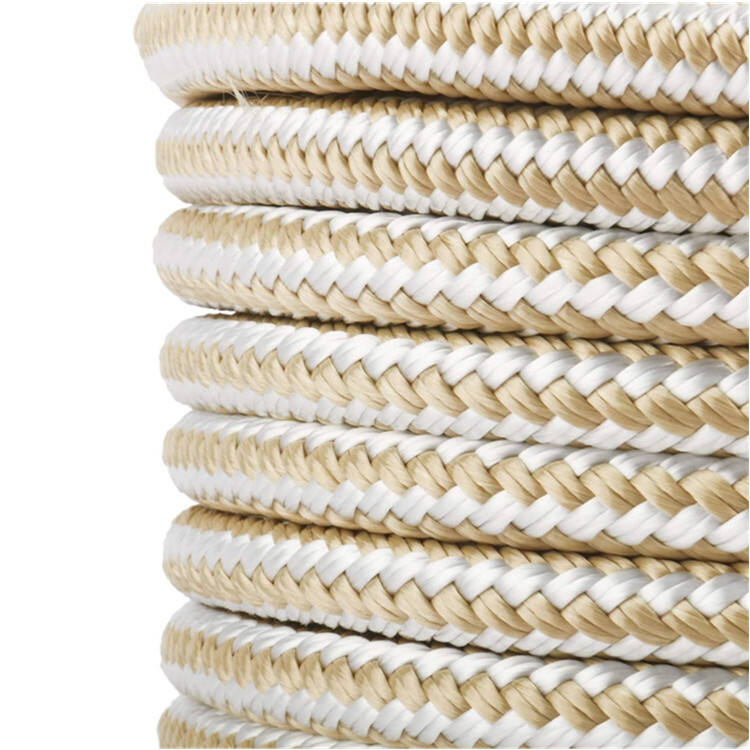
As helpful as mooring ropes are, they can cause some issues if not handled properly. One of the common issues is its being tied wrongly. If the knots that are used to tie the ropes are not fixed properly, they could slip’en-gare’ or ‘nothing’. The ship could even move when it is not supposed to. To prevent this from happening, crew members need to know which are the best knots. RIOOP publishes tutorials and how-per-s across from tying the right knots with mooring ropes. Yet another problem arises when the wrong type of rope is used for a particular task. Thankfully, different ropes are made for different conditions. For example, some lines are designed for still waters, and others for stormy seas. The wrong rope could break, or worse. In order to prevent this, owners always need to pay attention to the ropes they are using. NYLON1-" Diameter RIOOP provides you with a variety of ropes to use for various applications. Another issue can result from failure to inspect the ropes before use. Ropes, too, can get damaged from sun, saltwater or wear and tear. If a rope is frayed or weakened, it may snap when put under tension. RIOOP recommends inspections to help identify any problems early. If a rope appears damaged, it should be replaced immediately. Finally, weather can be a factor. Depending on the winds and waves, there can be added strain placed on the mooring ropes. In these instances it is necessary to resort to additional lines or altering the mooring layout. Knowing the weather is central to maintaining the safety of the ship. With a little attention to detail and following these tips, crew can avoid most common problems with mooring ropes and keep the ship safe.