EN
EN

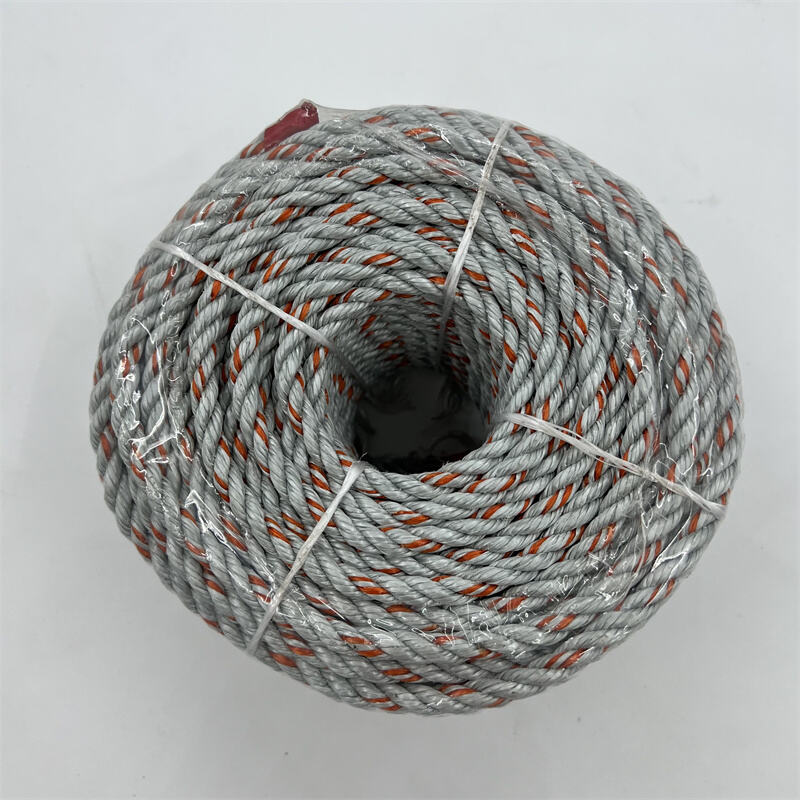
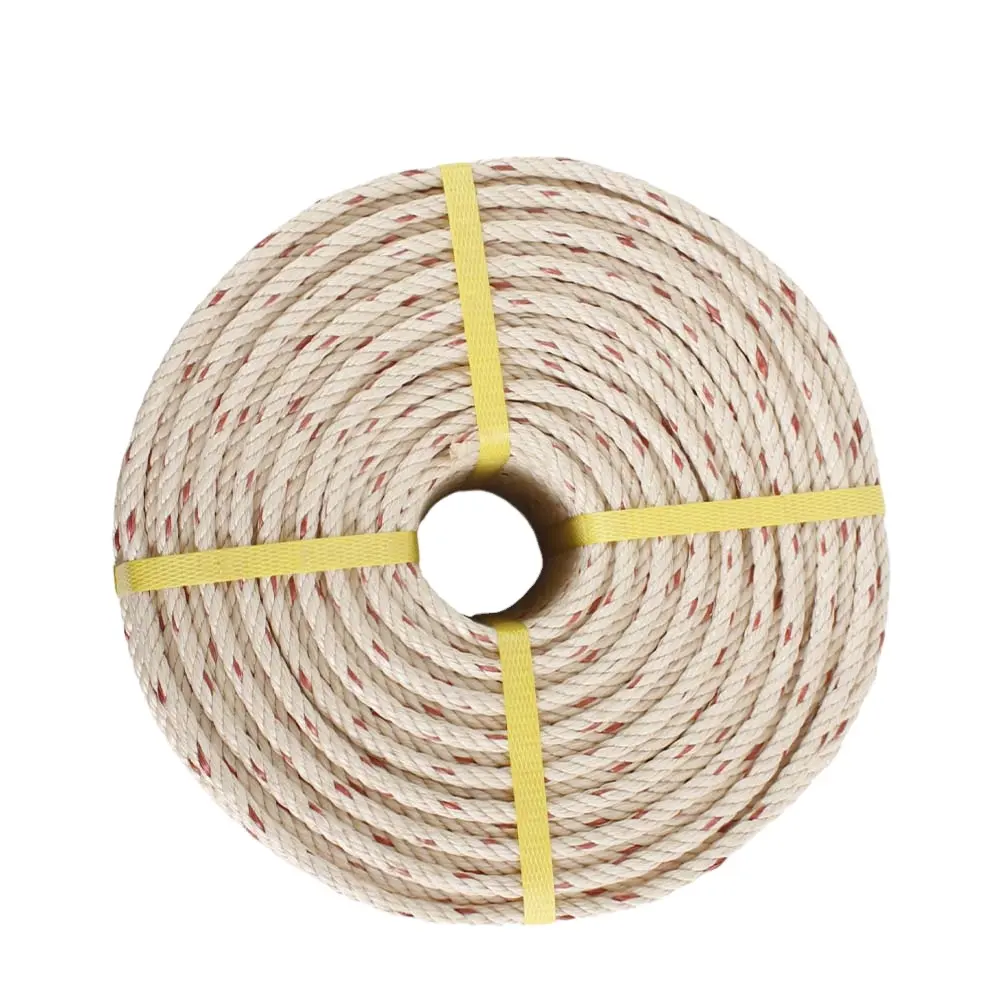
Boats require tough ropes to ensure their safety when they are tugged up at docks or harbors. These lines are mooring lines. These prevent ships from moving around too much due to wind, waves or tides. Without sturdy mooring lines, ships can drift off or sustain damage, leading to trouble. It’s why the right mooring lines are so essential for shipping companies. RIOOP manufactures strong, durable mooring lines that can withstand the test of time. Our lines assist vessels to remain steady and safe, whether in foul weather or a heavy one. Picking the right mooring lines entails consideration of both where to purchase them and what they are best made from, which we'll discuss next.
It’s not always easy to find good mooring lines at a price you can get comfortable with. A shipping company has many uses for rope, so it is wise to buy in bulk. Wholesale refers to buying in bulk from a supplier, and this generally brings the price down. But not all wholesalers are created equal in terms of quality or service. RIOOP, a manufacturer that sells mooring lines to big shipping businesses in bulk. If you are in search of wholesale mooring lines, then the supplier needs to know about making ropes that are used every day. Ships deal with rough elements, so the ropes have to be tough. While some sellers may provide you with cheap ropes they stretch and break easily, those would-expensive in the long run. The RIOOP is all about quality and safety. Our wholesale customers receive ropes that have passed rigorous tests and withstood harsh weather, saltwater and heavy loads. They also can consider how quickly the items will be delivered and customer service. Shipping companies operate on tight schedules, and waiting too long for mooring lines can hold up the entire operation. RIOOP knows this, and maintains a large inventory to be able to ship ropes out fast. We also assist our customers in selecting the proper rope size and strength because not all ships are built equal. For instance, a fishing boat requires different ropes than a cargo ship. Shopping with RIOOP comes with a top-notch advice, you can trust. You may find mooring lines online, but it’s a good idea to speak with human beings who understand the industry. We’re giving that personal touch, we make sure orders are processed properly. Finally, geography of the wholesaler makes a difference. When you go for an out-of-area supplier, of course, the cost and time to get it there is increased. Since RIOOP has warehouses in several major port cities, many customers end up with their mooring lines more quickly and for less cost. It is for all these reasons RIOOP has proven to be a wholesale mooring lines provider that can be relied on matching the shipping company requirements.
All ropes are not created equal. The material from which mooring lines are made also determines their strength, flexibility and durability. Investing in the best material preserves ships and saves money in the long run. RIOOP is aware of this and will not use any inferior materials for our mooring lines. Long ago natural fibers like hemp or manila were used, but they do not last well in water and rot readily. Most of today’s mooring lines are made of synthetic fibers. There are a variety of materials that folks use, such as nylon, polyester and polypropylene. Nylon ropes stretch more than other kinds, which means they will absorb shocks when waves smash into the ship. This stretch can help avoid sudden breaks but might require a little extra space to tie, since the rope gets longer under tension. Polyester ropes have less stretch but are stronger and resistant to sun and saltwater damage. Which is something that makes polyester appealing to a lot of ships that require reliable and sturdy ropes, such as the POLYESTER 8STRAND HAWSER ROPE. Polypropylene is less expensive, light and bouyant — a good thing in some cases but bad in others because it wears out sooner under heavy loads or sun. RIOOP crosses out the type of ship and what conditions it will encounter when selecting a material. For instance, a big ferry would use polyester ropes due to their strength and trade in bustling harbor. On smaller boats in quiet harbors one might use nylon for shock absorption. On occasion, ropes are constructed with a combination of fibers to obtain the best attributes of each. Other factors include the rope’s construction — how the fibers are twisted or braided with one another. Braided ropes are smoother and will last longer without fraying. Two ropes are less expensive, but can unravel or wear out sooner. RIOOP’s mooring lines are manufactured with state of the art weaving and braiding processes to guaranty safety, durability. The ropes also receive special coatings to protect them from UV rays, salt and dirt. This equates to less maintenance and fewer changes. Picking the right material and construction isn’t only a question of strength, but also about how easy to handle, store and inspect ropes are. RIOOP’s experience can also help shipping companies to avoid issues such as ropes breaking or becoming too heavy. Choosing the right mooring lines requires considering the environment, the size of the ship and how the ropes will be used day after day. It’s something our team is passionate about getting right, so every ship is safe when it’s moored.
(1) Mooring Lines Before each use and after some use, you should inspect mooring lines. If you see any signs of damage — such as fraying, cuts or worn-out sections — it’s time to replace the cable. These weak points can cause the rope to break when the ship is in motion or when the weather is bad. If the lines have dirt, salt or grease on them, clean carefully because these substances can weaken the ropes as time goes by. It’s a good idea to rinse salt off with fresh water, particularly when ships remain at sea for extended periods of time.
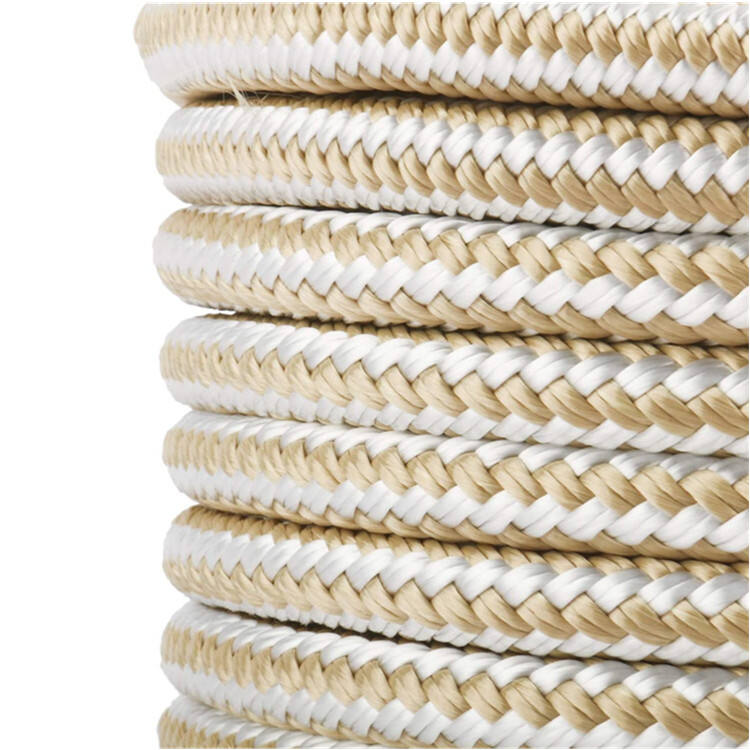
None Next, when not in use always ensure that the mooring lines are kept herein dry and cool place. The material of the rope can be weakened over time by heat and sunlight, causing it to not be as strong. At RIOOP, we suggest keeping ropes in a protected environment and away from chemicals that will cause harm. You will also want to make sure that there are not sharp edges hanging from the dock or ship that will be able to cut through your ropes. The use of protective sleeves or chafe guards can help mooring ropes to avoid rubbing against hard edges.
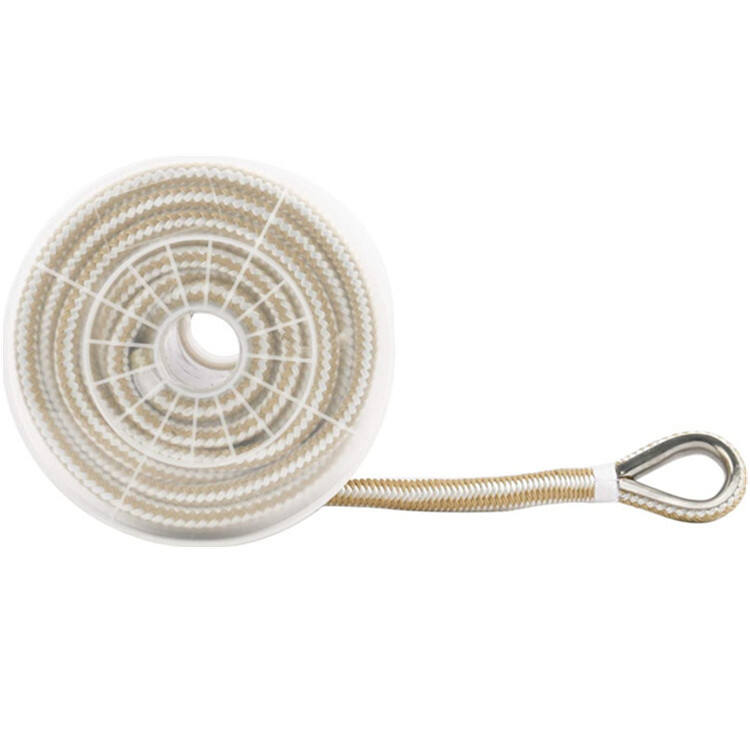
It’s a good idea to inspect the full length of the rope and not just the ends. Oftentimes damage occurs in the center of the rope — out of sight can be more than out of mind, it’s overlooked. Employ simple tools like a flashlight to show tiny high problems. And if you spot any serious-looking damage, replace the rope right away rather than put off that other thing. At RIOOP, your safety is paramount, and we always recommending hanging on to a few mooring lines “just in case!”
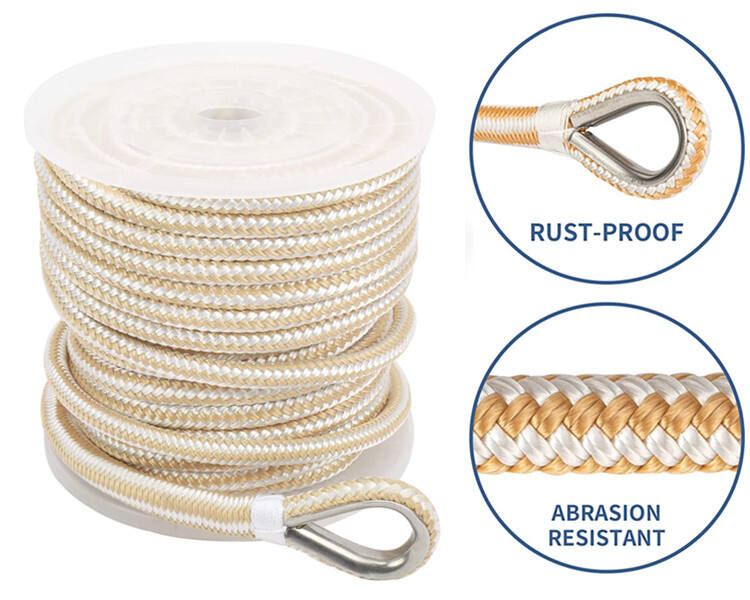
There are numerous things which can go wrong, but of one the most common is a little wear & tear. This occurs when ropes chafe against the dock, parts of the ship or even other ropes. Over time, this chafing can cause the fibers of the rope to degrade. You can prevent this by using chafe guard/sleeves to protect the sections of a line that come in contact with hard or abrasive surfaces. Again RIOOP advises, if used regularly, that these are checked regularly to replace worn parts on time.