EN
EN

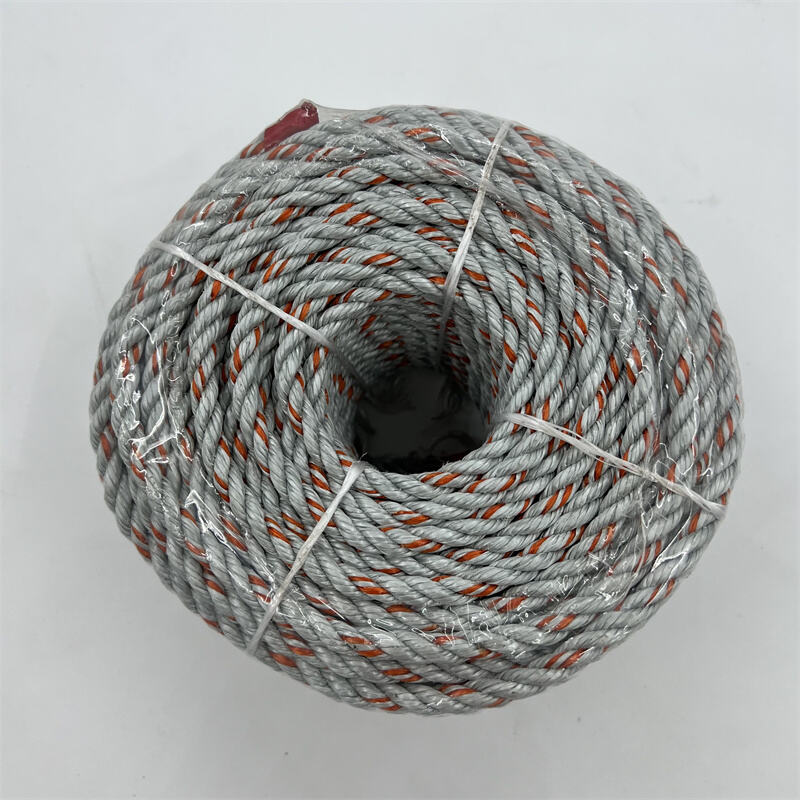
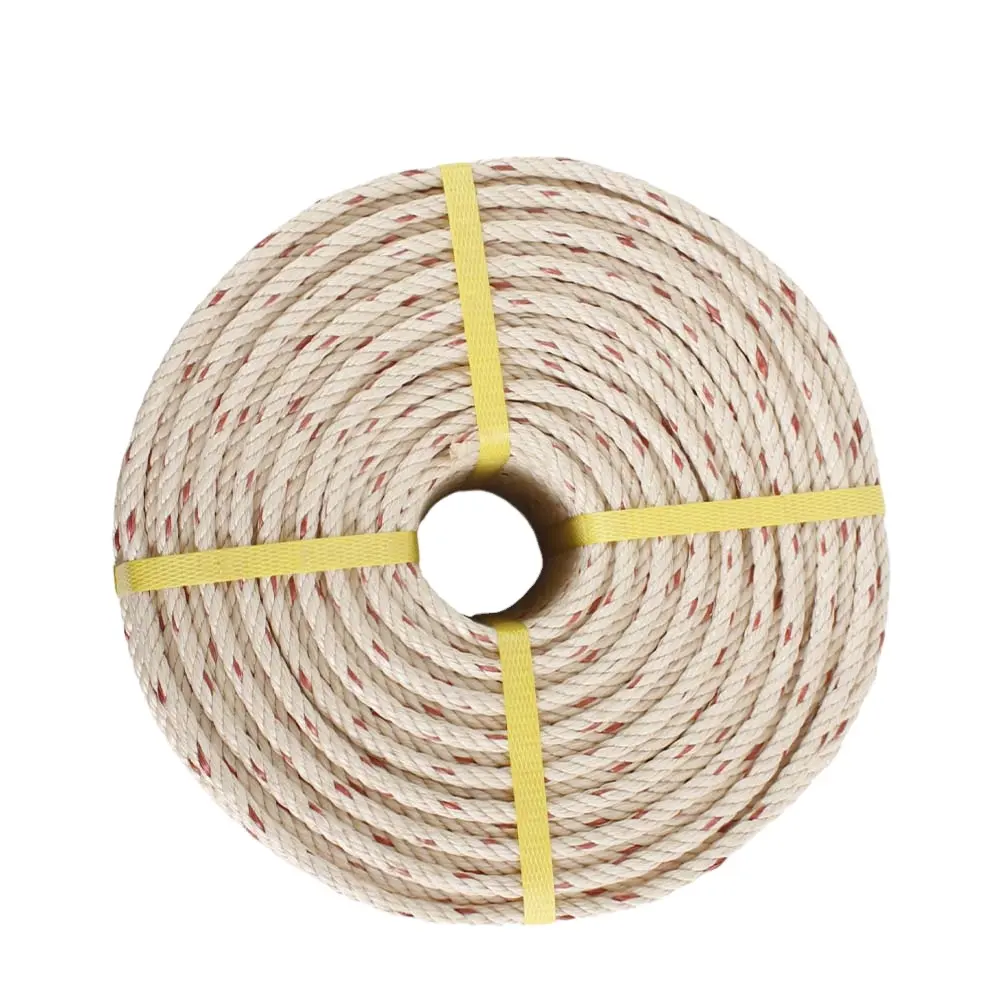
Nylon anchor rope is durable and can be used for many things, especially in boat and fishing applications. It’s constructed from a plastic material called nylon, which is able to stretch and extremely durable. This rope is perfect for docking your boats or securing the items. RIOOP Nylon Anchor Ropes(570 lb Break Strength)-Great for Beginners and Experienced Users. Rest assured that this and our other ropes will keep your boat in place, even when the water is rough.
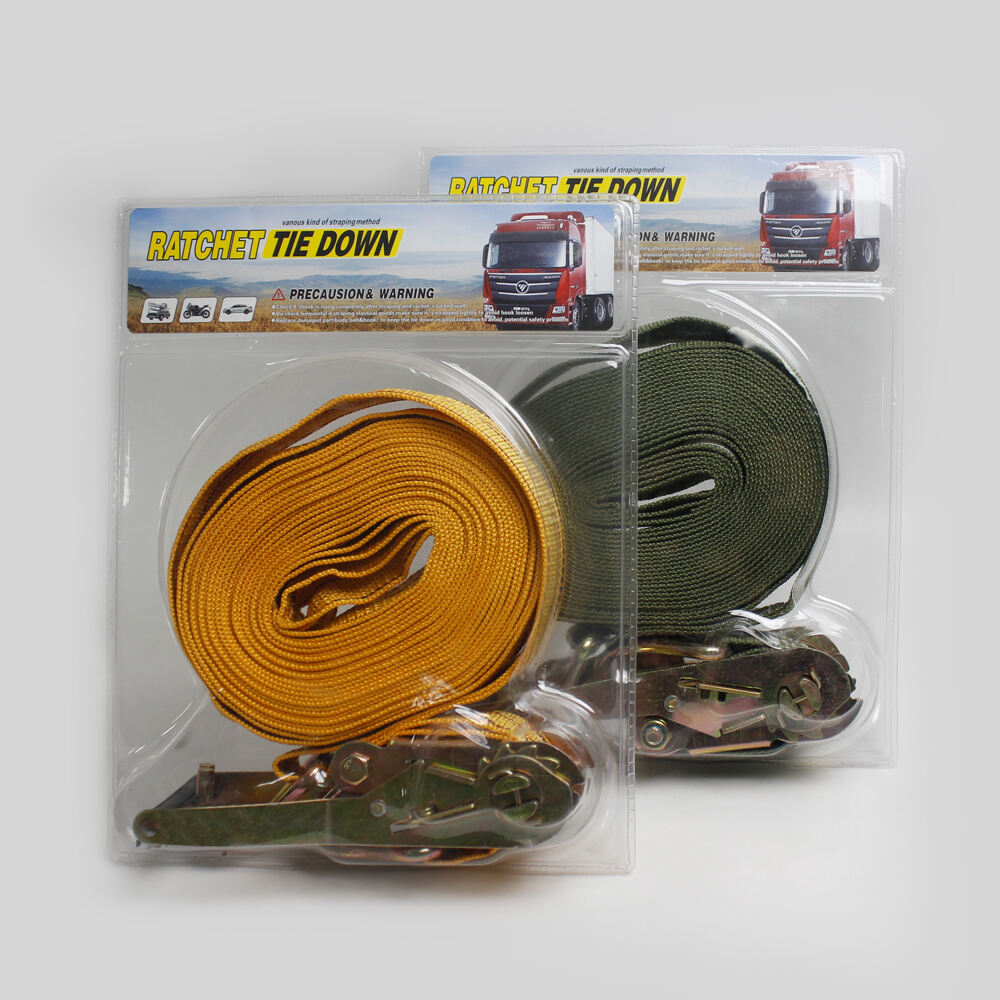
If you want to purchase anchor rode nylon in bulk, RIOOP is your best choice. We offer wholesale choices that allow you to save money while getting a high quality product. Our products are available on our website, as well as at select marine supply stores. And lots of stores discount for buying in bulk, which can be a big help if you’re planning for a massive trip or stocking up for business purposes. You can also browse and compare prices — or even find special deals — through online marketplace. Periodically, seasonal sales or promotions will provide even better prices. Not only do you receive competitive pricing when purchasing from RIOOP, but also quality assurance. Anchor Rope – Our nylon anchor ropes are very strong and durable, so they’re not going to snap and fail. Be sure to look for reviews and ask if you are not sure. Customer reviews can help you to find the best options. If you have something specific in mind, such as a particular length or thickness, we can assist you in finding the right rope. Our staff is trained and available to help you purchase the rights product. Additionally, if you’re looking for reliable options for securing your gear, consider our Ratchet tie down & Woven tape products.
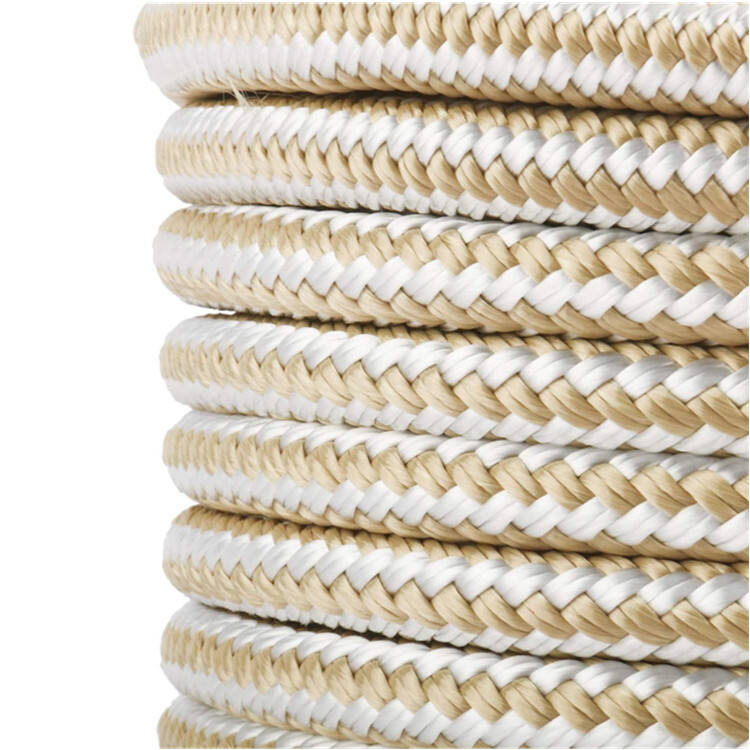
There are many benefits to choosing a nylon anchor rope over one made with another type of material. First, nylon is very strong. It withstands heavy loads without breaking. This is particularly critical when you are mooring a vessel. Nothing is worse than having the rope give up on you, especially in rugged weather. Second, nylon can give a little. This is to say, it can take some shocks. In the event that a wave strikes your boat, the rope may stretch, thereby making it less likely to cause damage. Other types of materials, such as polypropylene, don’t stretch as much and can snap under tension. Additionally, nylon does not rot and is not susceptible to mildew. For anyone using the rope in water, this is a big plus. It also means you no longer have to worry about your rope going bad or smelling funky. Plus, nylon ropes are easy to grip. Flexible for easy knotting and untying. That’s fabulous if you’re short on time or handling wet hands. RIOOP’s nylon anchor ropes are created with these advantages in consideration. We concentrate on producing products which improve your experience on the water, so that you could count on us whether you’re out for a time or cruising. If you require additional options for different applications, be sure to check our BRAIDED ROPE selection.
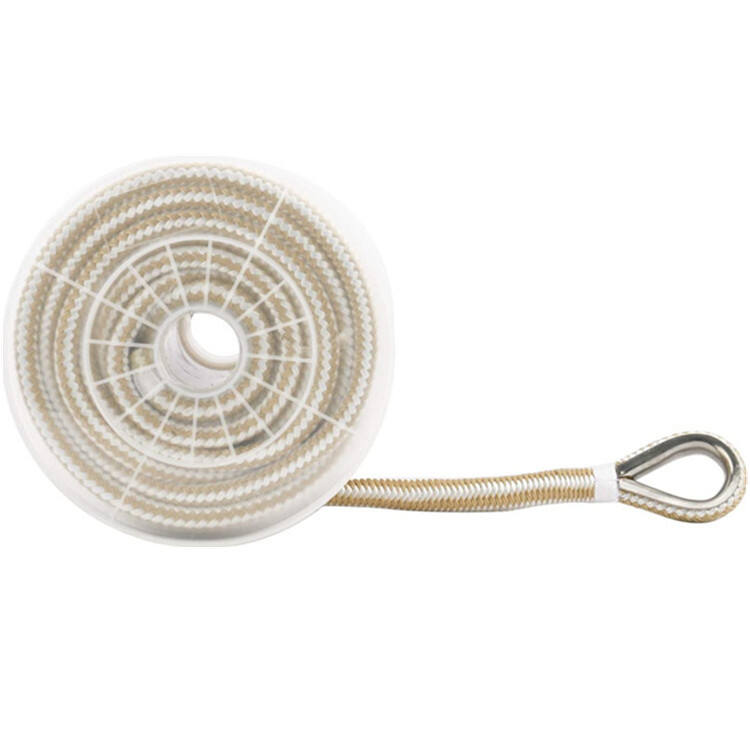
With a nylon anchor rope, there are some frequently encountered problems. One large issue is that nylon can stretch quite a lot. That means that if you’re trying to hold the rope still, against all those forces, it may stretch for a time before snapping back. This is unsafe and potentially harmful. To eliminate such issues, it’s crucial that you use the right length of rope. You should also ensure that the rope isn't too old or worn. Aged ropes can grow weak and snap readily. Another problem is that nylon can be slippery when wet. If your rope is wet, it will slip through your hands or not grip the anchor very well. You can prevent this by wearing gloves while handling the rope – specifically when wet. Also try to keep the rope dry whenever you can. And some may not tie the most appropriate knots. If you tie the wrong kind of knot, it can come untied and your anchor will fail to grip. A good knowledge of a few strong knots, such as a bowline or clove hitch, will ensure you can secure your boat. And lastly, make sure you always inspect your rope before using it. Check for damage damage such as frays, or cuts. If there are, it’s worth getting a new rope to be on the safe side. By being aware of these common problems and working to prevent them, you can safely and effectively use your nylon anchor rope.
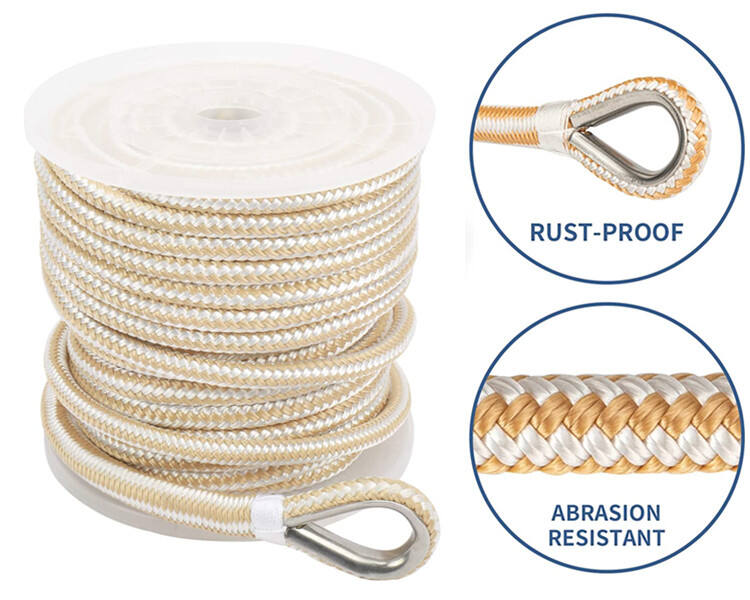
There are a few tricks for keeping your nylon anchor rope in good condition. First, wash your rope with fresh water immediately after using it in saltwater. Salt can also harm the fibers, weakening the rope over time. By hosing it down, you can make it last longer. Once rinsed and cleaned, hang the rope to dry thoroughly before storing it. This will also keep mold and mildew from developing, which can weaken the rope. To store your nylon anchor rope, let it dry completely and place it in a cool location. Do not expose it to the elements for long periods, as UV rays can degrade the rope material. It’s a great idea to put your rope in a bag, or otherwise store the rope away from dirt and debris. Always check your rope for any damages. If you detect any fraying or damage, replace the rope immediately. Another advice is not to let the rope rub over rough surfaces. And that can create cuts and wear on the rope, weakening the length of it. By checking the condition of your nylon anchor rope and ensuring its properly cared for, you are making sure it stays strong and safe even longer. Remember, a small investment of time in maintaining your rope can keep you from encountering headaches on the water.