EN
EN

When it comes to keeping ships safe, the quality of an anchor rope matters immensely. It is as if the rope weakens and begins to come apart each time a wave drives the ship aground. That could cause accidents. RIOOP ropes use high-quality materials designed to withstand saltwater, weight and bad weather. Saltwater can corrode all kinds of materials, but good ropes keep working and don’t weaken quickly. What’s more, these ropes have to stretch just so — not too much, and certainly no too little. If a rope stretches too much, the ship could “snatch,” or move too fast and be damaged. If the rope is too stiff, it could break when pressured. It is a tough and essential balance.
A good rope also needs to be cut and tear resistant. At times, the rope chafes against sharp points on the ship or anchor. RIOOP ropes are tough enough for all this rough use. The fibers are twisted and woven tight so they don’t pull apart. Even in bad storms with lots of wind, the anchor rope must remain strong. This is why every aspect of the rope’s manufacturing process matters: from selecting the correct fibers to the angle at which they are twisted together. A bad line was not only dangerous to the ship but endangered the lives of the crew. For example, if a rope snaps at the wrong moment, the ship could drift into rocks or other boats and cause damage or injuries. RIOOP also offers different types of ropes, including 8STRAND BRAIDED ROPE which are designed for high durability.
Secondly, the thickness of the rope is a huge consideration. Thicker ropes can handle more weight, but they themselves also weigh more. The crew has to strike a sweet spot between strength and ease of operation. A rope that is too thick could be hard to manage, whereas a thin rope might not be strong enough. RIOOP stocks lines in many different dimensions, so ships can pick exactly what they want. Another is how the rope is created. Some ropes are woven, making them so strong and flexible. Other, twisted varieties are more resistant to wear. One style may be better than the other depending on what a ship needs.
Durable ropes also have to hold up under weather-related stress. Ropes can become more brittle over time from exposure to sunlight, and saltwater also can be damaging. RIOOP’s ropes are the solution to these issues. For instance, some ropes receive a coating that prevents the sun and salt from harming them. This means the rope remains stronger for longer and isn’t frequently replaced. Picking the right rope also involves considering the task. When the ship anchors near rocks, the rope needs to withstand cuts. On a big ship carrying heavy loads, therefore the rope must withstand very high tension without breaking. RIOOP also has options like POLYESTER 8STRAND HAWSER ROPE that are ideal for such conditions.
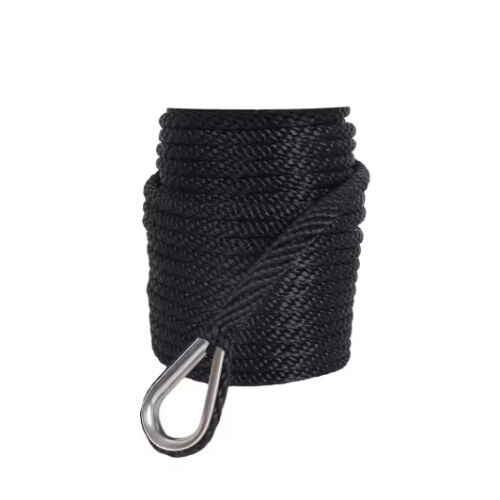
At times the rope must work with machines that pull or release the anchor. At the same time, that rope has to be soft and limber enough not to jam or tear as it slides through these machines. RIOOP’s ropes have been tested to work well with this type of equipment, and they help the crew to do their job in an easier and safer way. It’s not simply a matter of selecting any old rope, but instead knowing which rope is best used for what type of task to keep the ship safely moored. And when a vessel is carrying heavy loads or weathering rough seas, an anchor rope needs to be solid, long-lasting, and trustworthy. This is the reason that RIOOP concentrates on producing ropes, which are able to stand up to these rigorous requirements every day.
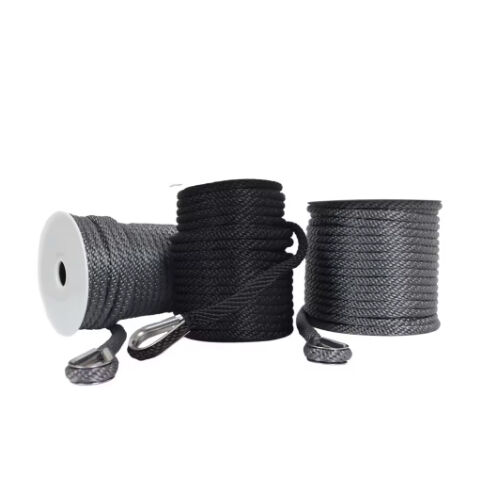
If you want your ship anchor ropes to last long and remain in good working condition, then taking proper care of them is a priority. Anchor ropes secure ships and keep them safe by assuming the position of the anchor; therefore, they must be strong and dependable. At RIOOP, we always remind ship crew that simple measures can keep these ropes from breaking or wearing out too soon. The anchor ropes should first be wiped clean after anchoring. The rope can become weakened by salt water and dirt accumulation. You can rinse the rope with fresh water it will remove salt and sand. Hang the rope to dry after cleaning. Ropes may begin to rot or grow mold when they are wet. It’s also a good idea to regularly inspect the rope for any wear and tear, such as cuts, frays or weak spots. If you find any, repair them immediately or replace the rope if the damage is extensive. One other method to keep anchor ropes strong is by storing them the right way. Store the ropes in a cool dry area keeping out of direct sunlight. The fibers can be broken down by sunlight and the rope weakened. When coiling (or rolling up) the rope, do so carefully to avoid twisting or knotting the rope. "This allows rope to hold its form." Do not drag the rope over sharp edges, rocks, or other rough surfaces as this can cause abrasions and wear. Even with regular use and cleaning, a rope can last for many years. The anchor ropes built by RIOOP itself are of such solid materials as can endure not only a rough sea but plenty of neglect; still they require care. By doing these simple steps, ship crew can also save money by not purchasing new ropes regularly and make sure their anchor ropes will hold in place when they need them most.
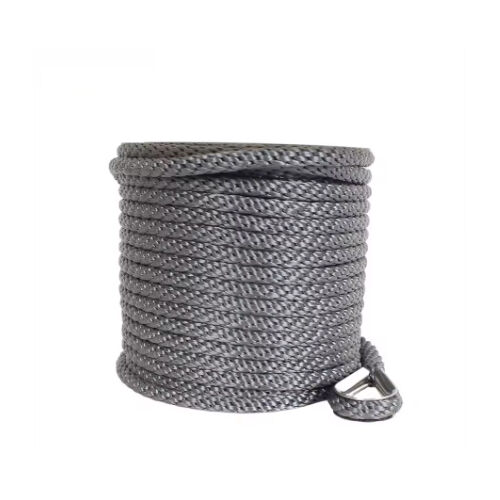
Shipping firms often require many ship anchor ropes for their fleet. Purchasing these ropes separately can be pricey and time-consuming. That’s why investing in bulk ship anchor ropes from RIOOP makes sense. And since you buy in wholesale, this means you will receive a huge amount of ropes at the same time, and generally offered to you in lower prices per rope. This can save shipping companies a lot of money. And purchasing wholesale also allows companies to keep enough ropes on hand to replace old or broken ones quickly. This is what ensures that ships are safe, and ready for sail without any delay. Further cost saving comes with the fact that wholesale ropes from RIOOP are of the highest quality. Quality ropes last longer and don’t require replacement as often. Which is less money you’ll need to spend over time on repairs and new ropes. Shipping companies save money too, since they don’t have to pay additional shipping costs multiple times. Instead, they shell out once for a large order that ultimately costs them less. In addition to saving money, companies purchasing RIOOP wholesale ropes can also better plan ahead. They can have spare sets of ropes on hand, so they don’t have to scramble at the last minute to find new ropes. This alleviates stress and keeps the assembly line running. Shipping companies, when they buy in bulk, can also request special sizes or types of ropes that are just the right fit for their ships. RIOOP works directly with purchasers to ensure that the right ropes are supplied at the right price. All in all, purchasing wholesale ship anchor ropes is a smart move to help you save on expenses, protect your ships and ensure everything is working well without additional stress.