EN
EN

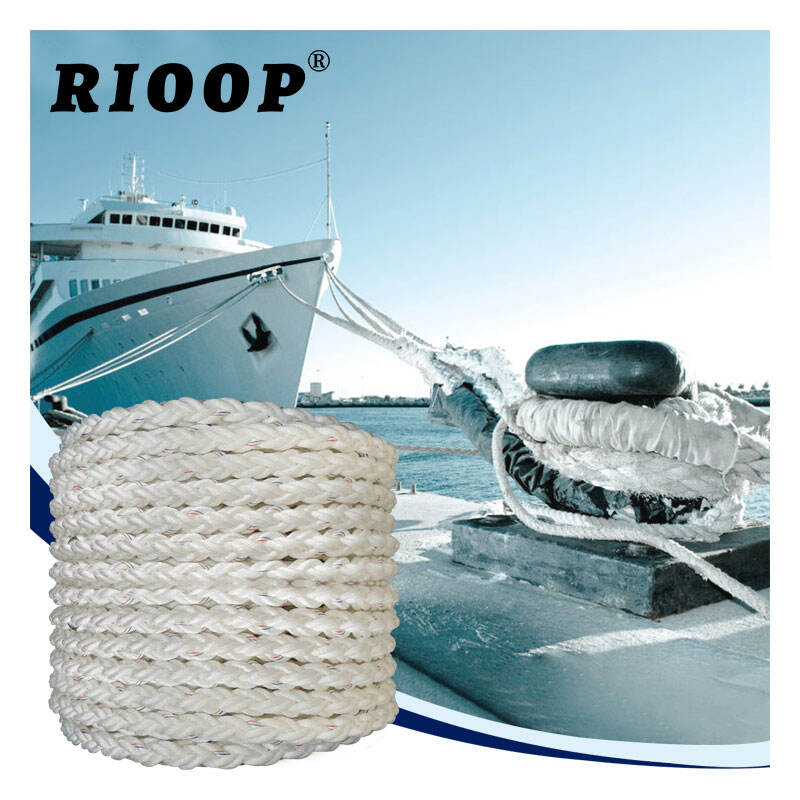
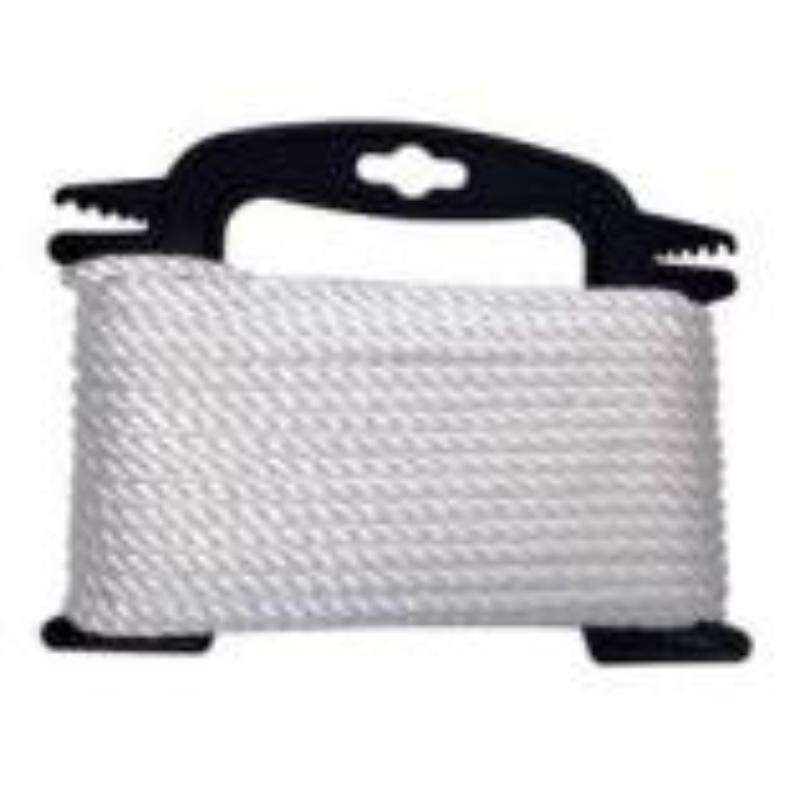
For boater, mariner Nautical crew people widely use nylon rope. It’s sturdy, flexible, and long-lasting; so it is ideal for waterborne use. RIOOP provides top-quality nylon ropes to anyone who works or plays in an marine environment. If you’re securing a boat, pulling in a net or binding equipment together, the nylon rope is about to handle the work. Its durability against saltwater and sunlight adds to its dependability. RIOOP’S nylon rope is designed for durability, so you can rely on it to get the job done when you need it the most.
So why do people see nylon as the rope for marine usage? First, it is incredibly strong. It can take on a lot of weight without snapping, which is important when you’re working with heavy equipment or boats. It’s stretchy, too (which means it can actually absorb shocks as well), so you won’t have to deal with snapping and injury-causing jerks of the sort that can ruin your gear. Imagine you are on a boat and suddenly the rope gets tense when you start pulling something mega-heavy. Nylon has a generous amount of stretch, so when your gear jerks or pulls around, nylon can help prevent snapping unlike other materials that break under pressure. Additionally, for tasks involving securing loads, consider using Ratchet tie down & Woven tape for added reliability.
Another great thing about nylon rope is that it can withstand the elements. Saltwater can destroy a lot of rope, but nylon is less susceptible to it. That means it won’t fray or deteriorate as quickly as other materials. Sunlight can also take its toll, but RIOOP’s nylon rope has been tested to ensure it holds up even after long hours in the sun. It’s also mildew and mold resistant, which can become an issue when wet ropes are left to sit around. It is its rugged durability that makes nylon an excellent choice for all marine applications, including fishing and sailing. For those interested in fishing, our Marine & Shipping section offers great insights.
and Nylon rope is another one of those do-it-all natural fiber ropes. It’s versatile and can be used for a range of applications such as mooring, towing, or tying down equipment. It's available in multiple sizes to ensure an optimal one to accommodate your unique requirements. It’s this flexibility which makes RIOOP’s nylon rope some of the best out there for boaters, fishermen, and those working in the marine business. Once you realize it is not a one trick pony, you start to have confidence in the line’s ability that much more while working or and playing on the water.
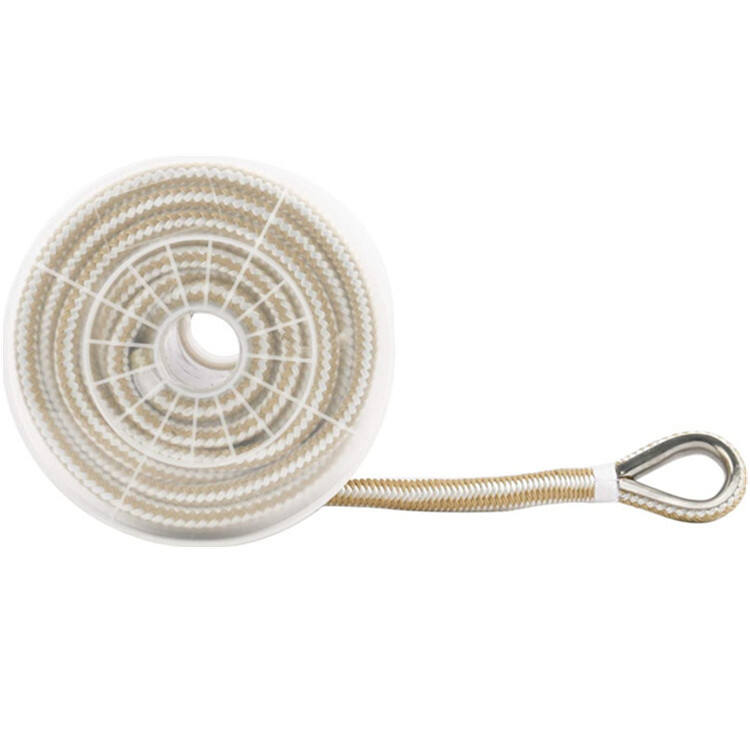
Proper care of nylon rope is essential if you want to extend its life, and this is particularly true when used on boats or in other water related activities. First, always rinse the rope in fresh water after use in saltwater. Salt can have a very degrading effect on the rope and will weaken it over time. By turning it off once, you wash away the salt and keep the fibres strong. When you finish rinsing the rope, dry it completely before storing. If you store wet rope, it may become moldy or odorous. Be sure to hang it in a location where there is air circulation around the piece.
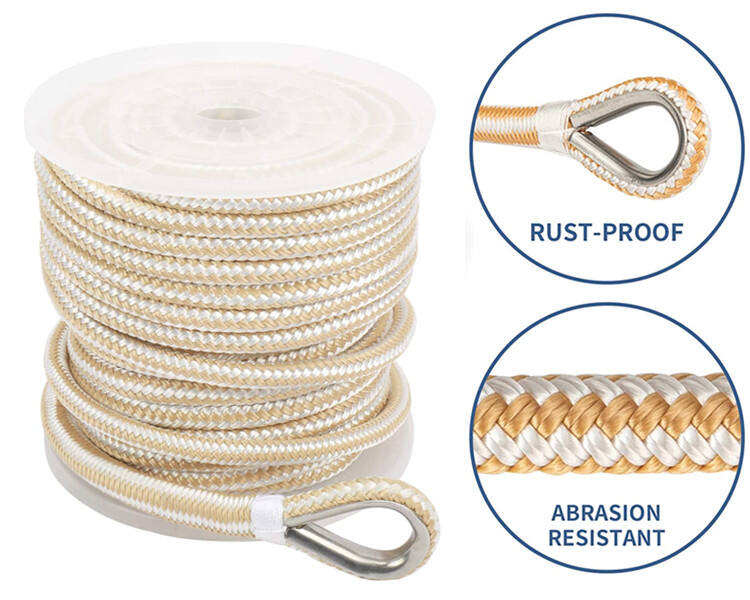
If you want quality nylon, marine grade rope for boats don’t purchase on impulse. RIOOP has you covered for all of your personal and commercial marine requirements. These nets can be purchased at some marine supply stores and online shops; you also may find them in hardware store. When purchasing, search for marine-use-specific ropes. These ropes are designed to withstand the harsh environment of water.
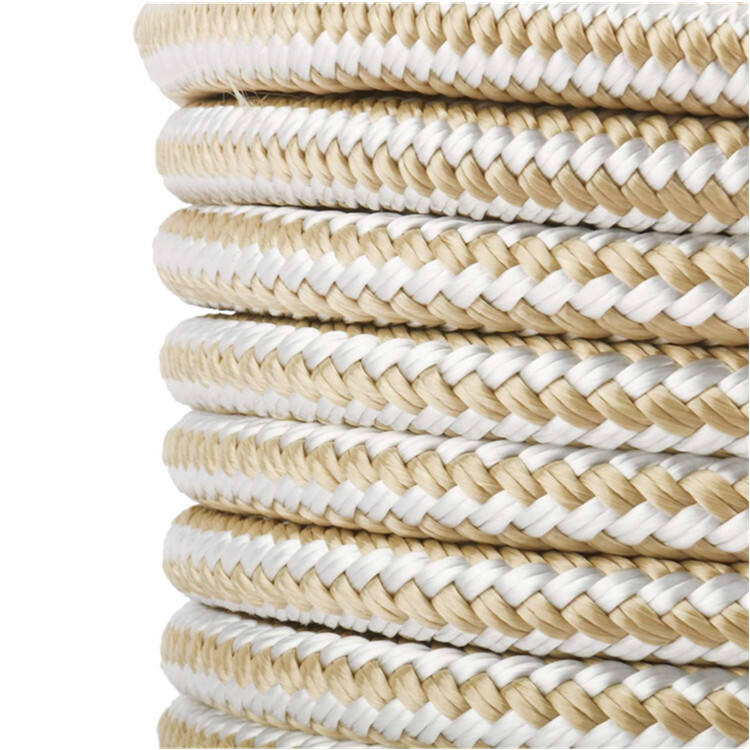
It is a wise decision to use nylon rope in marine applications, as it greatly provides safety and efficiency. Nylon is tough and has great tensile strength, so it’s an ideal material for tying down boats or hoisting goods on water. Nylon rope is really stretchy, this can help to absorb sudden shocks which is highly important if you are in choppy water! In other words, when a boat hits a wave and the rope is taut, the rope can stretch out some rather than break. This is done to keep everything safe and avoiding accidents.