EN
EN

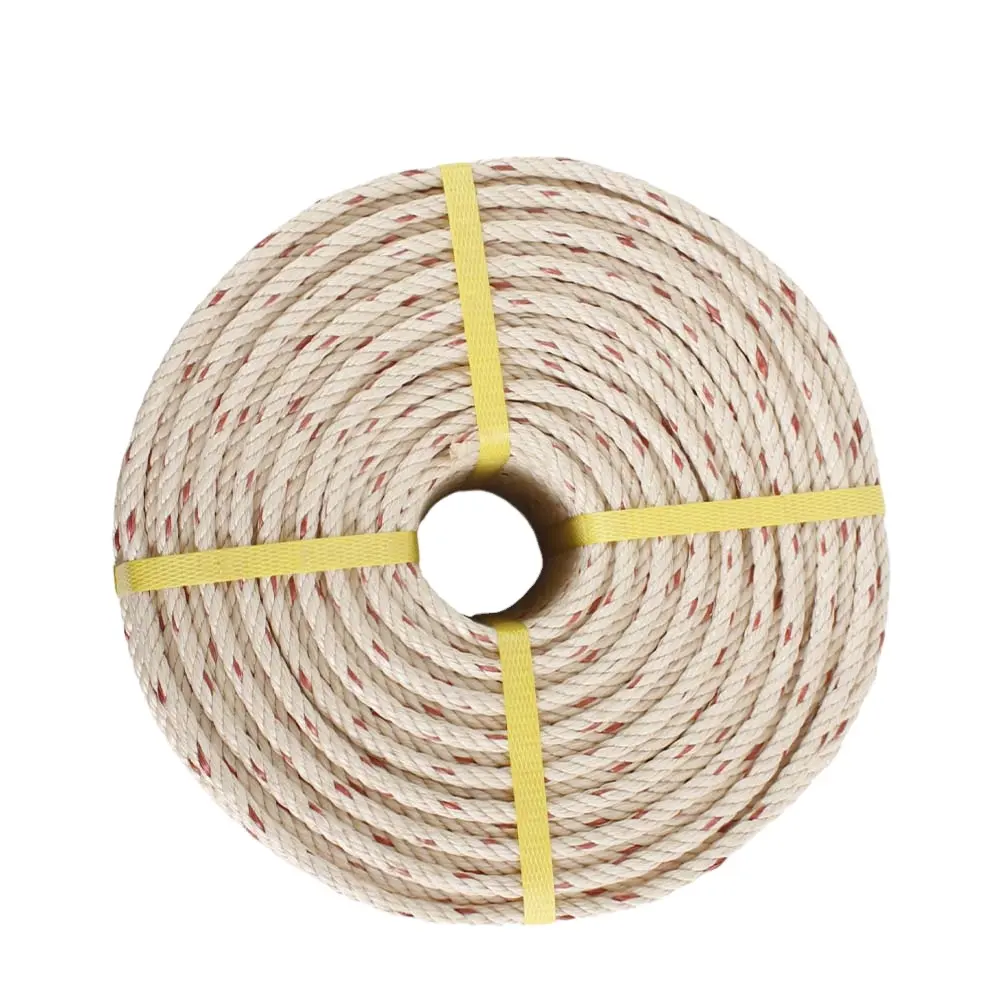
Polypropylene baler twine is a type of sterilized string viewing primary use in farming. It is used to bind bales of hay, straw or other crops so they remains tightly bound and easy to transport. This twine is crafted of durable plastic, polypropylene and doesn't easily break, making it a great choice for tough projects. Farmers want twine that doesn’t break when they wrap it around heavy bales or when the bales are handled by machines. And that’s why a lot of people like polypropylene twine. We at RIOOP take the time and have the skill to make twine of this nature so that it not only plies well but that it works on farms around the world. The cord is available in various thicknesses and lengths to accommodate all types of baling equipment and uses. Good twine is a time- and money-saver — bales don’t fall apart, and farmers don’t have to redo their work. And natural treatments are also not friendly to the earth, as they leach into water supplies and can kill fish; polypropylene twine is less likely to cause that kind of damage if you forget and leave a remnant at the site. Even in bad weather (for instance, intense sun or rain), polypropylene doesn’t lose its strength as quickly as does a natural fiber. This makes it a brilliant pick for gardeners of all varieties.
Polypropylene baler twine is durable and designed to carry heavy loads, which makes it so effective in farms. The plastic in this twine is very durable yet light, so it doesn’t add a lot of weight to the bales. That is especially useful for farmers who handle large stacks of hay or straw, and would hate to have the twine snap. One of the things that makes this twine strong is that the plastic fibers have been stretched in a special way to make them taut. This helps make the twine snap-resistant and stretch-proof when a bale is compressed by machines or hauled by trucks. For instance, as a baler machine wraps the twine about a bale, it needs to pull hard on the twine. Polypropylene twine is the strongest and keeps the bale tight, whereas other materials may stretch or break. And this twine doesn’t absorb water as cotton or sisal twine does. When the rain falls or the dew collects, twine remains dry and string, while the bale holds together. RIOOP’s twine is tested multiple times to ensure it can withstand these rough conditions. And the twine is resistant to sun damage. "Look for a material that has UV blockers," Greaves said, noting that ultraviolet rays can degrade some materials over time—and yet polypropylene maintains its strength even after many days in the sun. Twine can sometimes feel coarse or become frayed, but RIOOP’s meticulous production process ensures that the twine stays neat and firm, never worn out. This helps to protect farmers’ bales from falling apart, which can occur if the twine breaks. Another advantage is that pp twine is workable. It’s smooth enough and flexible enough to tie knots and fit into baler machines without jamming. This allows the entire process of bailing to be faster and less annoying. So, not only is this twine strong, but also real world practical in use on the farm. It’s made to last, and it makes farmers’ jobs easier. You can also explore our Lifting & Tie down products for additional farm support.
Baler twine can be used in all sorts of baling and wrapping jobs, but it’s in the transport of wrapped bales that its advantages are really clear. For one, it keeps bales wrapped tight for an extended period of time. This is keep loose bales from unraveling, which will save waste and effort. Once the twine holds tight these bales are neat and ready to be stacked or hauled. Farmers who work with RIOOP’s polypropylene twine say it saves them a ton of time because there is no need to stop and fix broken twine during the operation. And the twine is weather resistant, another big bonus. When bales get wet, natural twine can rot or weaken, but polypropylene twine remains strong regardless. This means bales can be left outside without worry, no matter if it’s raining or if you live in a humid climate. And the twine is also very lightweight so it doesn’t add a bunch of extra weight to the bales. That makes it easier on your body when you move bales by hand or with machines. And another crucial advantage is the cost. Polypropylene twine is inexpensive relative to some other materials but it has to be replaced less frequently. This saves farmers money in the long run. RIOOP is designed to produce twine with a combination of quality and price that offers customers the best value. The twine is also compatible with a wide range of baling machines. Regardless of whether a producer has small or large machinery, the twine is easy to use and performs well. That flexibility is critical, because every farm is different. In addition, polypropylene twine is a safe tool to use and will not hurt the “hay” or other crop within the bales. Its slick surface makes is easy to add without cutting or injuring the plants where fed and keeps feed or straw clean and healthy for the animals. Finally, you want secure twine to have fewer accidents while you’re transporting them. Bales, tied with RIOOP twine will hold up well on rough roads or when shipped for long distances which means the product arrives in good condition. For farmers, the continuity that comes with is extremely valuable as it protects their labor, their investment. In conclusion, polypropylene baler twine is a wise product to use across many areas of the farm, including Marine & Shipping applications.
The way the twine is twisted or braided also matters. Tight twine made from polypropylene fibers is stronger, because the fibers hold together well. Some of the twine is coated in special treatments to make it weather-resistant. If twine is not UV resistant, it can break down slowly over time from exposure to sunlight, rain and wind. RIOOP baler twine is made with UV protection to stay longer when used outside.
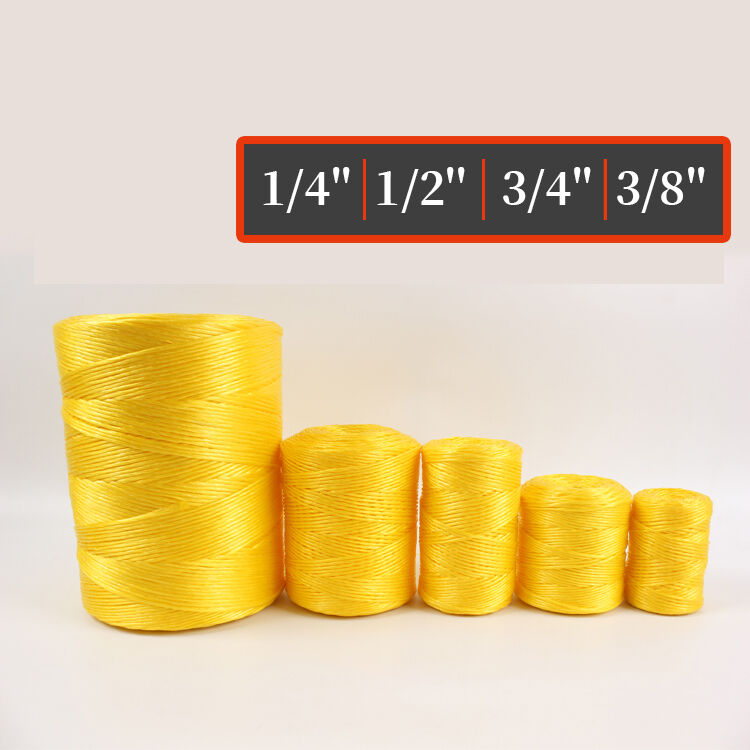
Another benefit to shopping at RIOOP is convenience. And we also can distribute the big orders directly to your farm or warehouse. This will save you time when you don’t have to visit a few different stores or search online and in apps for good deals. And since you’re buying twine in bulk, there’s no question that you’ll have enough for the entire season and won’t run out during harvest.
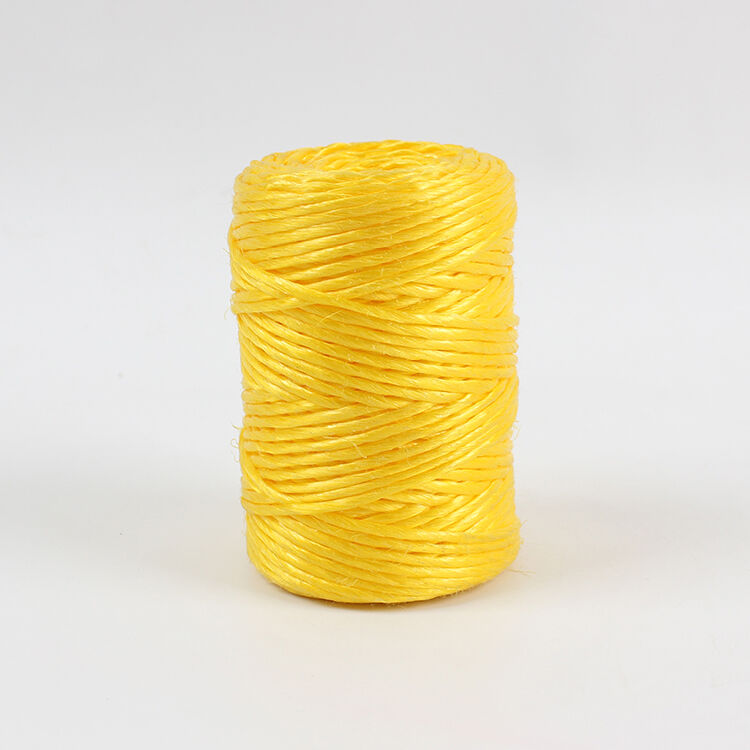
One common use is to produce bale nets or bale wraps. But instead of merely making bundles with the stuff, some workers used it to keep hay or straw bales so tight they become nets. This prevents the bales from coming undone while being transported and stored. The twine’s strength, and resistance to ultraviolet light degradation, is important here as the bales may remain outside for months.
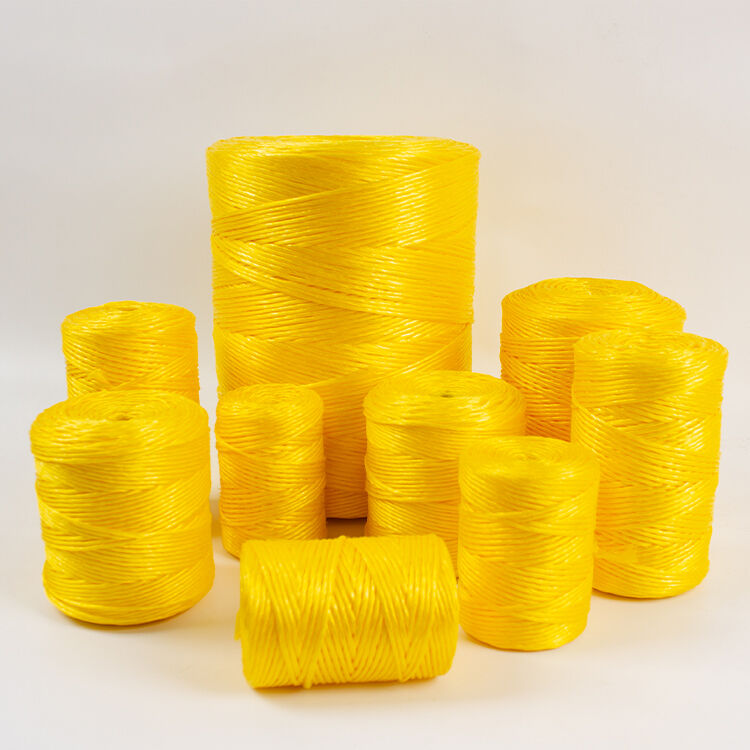
A second trend is that of utilising polypropylene baler twine in crop protection. Farmers occasionally use the twine to construct improvised fences or as supports for plants, such as tomatoes, beans or similarly small vegetation or even young trees. The twine is kind to plants, yet strong enough to keep them supported, making it easier for crops to thrive and easier for you to harvest.