EN
EN

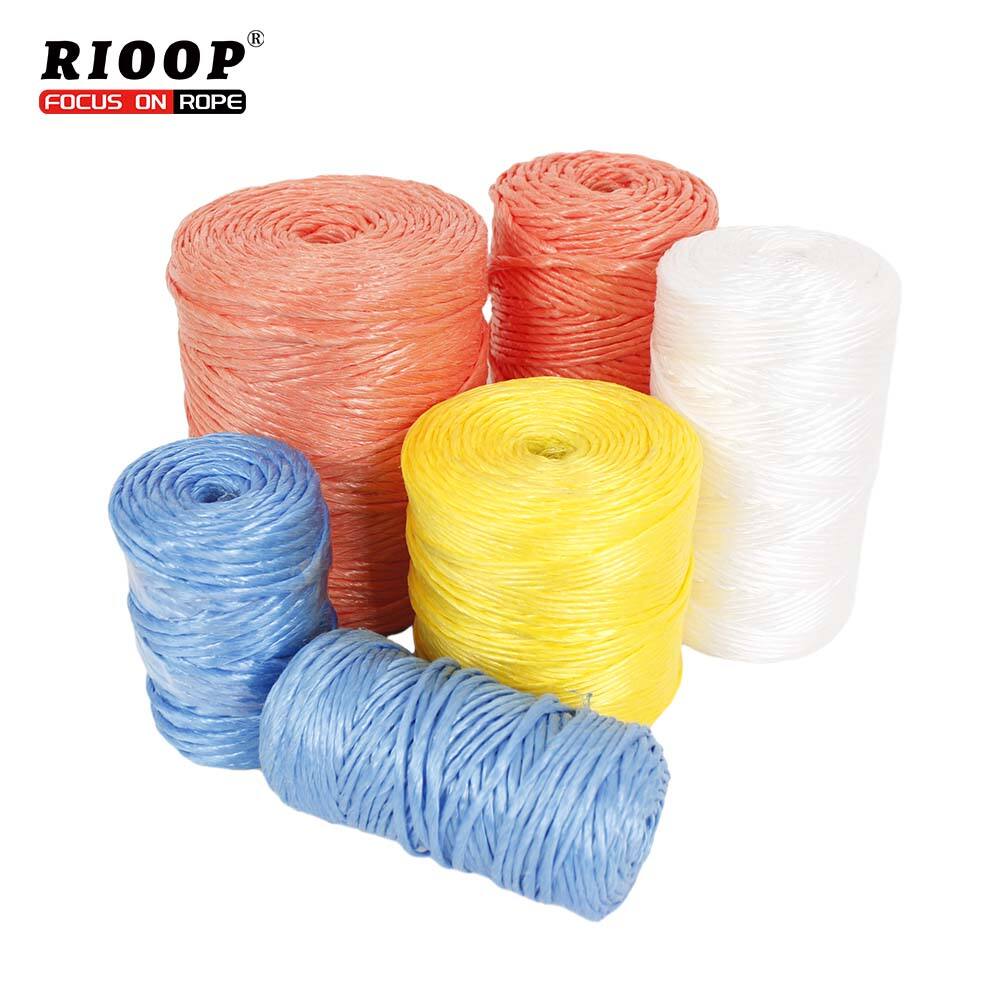
Polyester rope has garnered popularity in many of the most difficult demanding jobs, as it provides a strong and reliable performance. Polyester doesn’t offer quite as much stretch when pulled hard that some other ropes have, which in turn helps to keep things steady and safe. RIOOP produces polyester ropes that are very durable and workers can rely on them with numerous types of heavy work. Applied with anything heavy, or holding something down, these ropes are going strong and won’t wearing out easily. Those who use RIOOP ropes often say that they trust them more because the ropes can put up with heavy conditions without breaking or losing strength. This type of rope is also water and sun resistant, which mans it will remain functional even after extended periods outside. You might think all ropes are created equal, but RIOOP polyester rope proves that's not the case when you need real strength and support for the toughest of jobs.
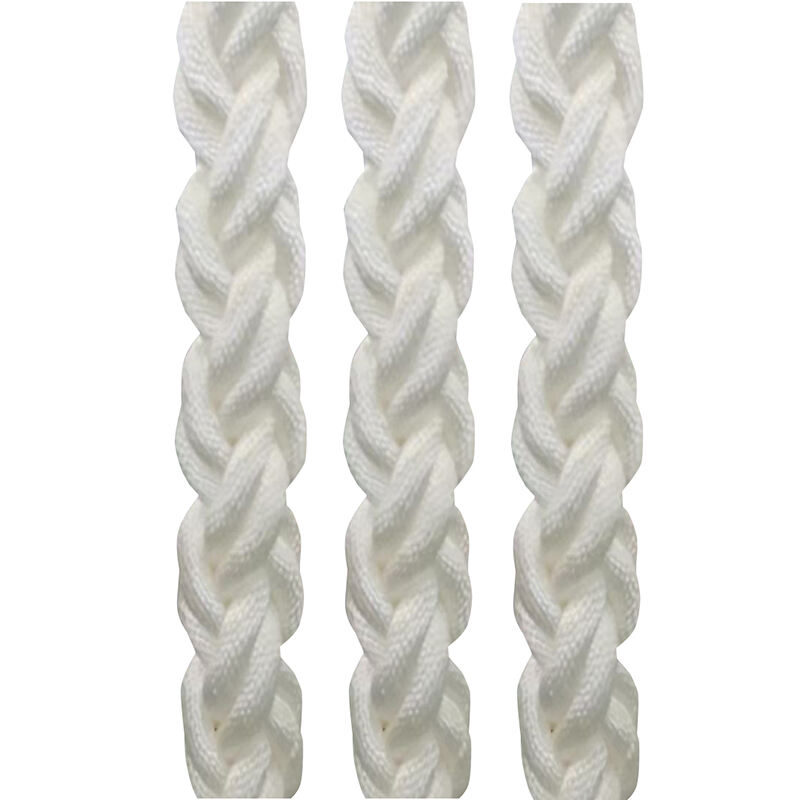
Ropes that won’t let you down when stress is at its worst for the heavy duty jobs. Polyester ropes really excel here since they’ve got an unusual combination of strength and toughness that is hard to match with other materials. Well, to start, polyester fibers are naturally very strong. Woven into a rope, they form a tangible object that can hold large forces without breaking apart. For instance, when workers hoist large pieces of metal or building materials, a polyester rope can secure them safely. Another is that polyester stretches very little when pulled. Some ropes grow longer when carrying a heavy load, and that can be unsafe or damaging. Polyester rope remains firm for better control by machines and people. RIOOP ropes are carefully crafted, with the perfect thickness and braiding technique for various heavy duties. Plus, polyester doesn’t wear thin quickly from friction or inclement weather. This means that the rope can be used again and again on rough surfaces or in poor conditions without losing power. RIOOP ropes are what a rope becomes when it’s given steroids: they’re industrial-strength, ultra-durable and can be used around the clock for months in busy factories or construction sites without risk of breaking and that is precisely the point. And it doesn’t degrade fast when exposed to oils, chemicals or the grime of convention. That helps workers stave off costly replacements or dangerous failures. So, the combination of strength, low stretch and resistance to harsh conditions makes polyester rope the right choice for when tough jobs need tough equipment.
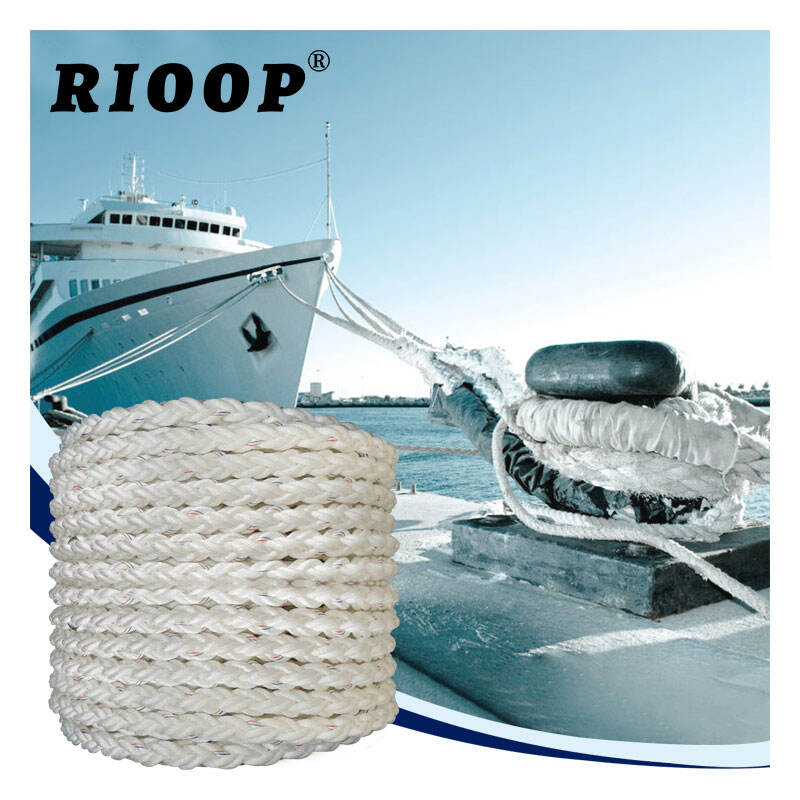
Water, salt and sun does more damage to ropes in marine environments like docks, boats and fisheries than anything else; And few ropes handle these challenges better than polyester ropes from RIOOP. WATER-RESISTANT One huge advantage of polyester is that it takes water extremely well. Wet ropes, ropes that get wet frequently, soak up some water and become weaker or heavier because of it. Polyester doesn’t absorb water much, meanwhile, so it stays light and strong even when soaked. This can make a big difference on boats and near the sea, where ropes are constantly getting wet. Saltwater is another problem. Salt can degrade ropes made from natural fibers or some plastics over time. Polyester, on the other hand, stands up to salt very well: Strength falls only slightly after long-term exposure. In other words, RIOOP polyester ropes will not deteriorate or become unsafe after months of exposure to saltwater. The sun’s rays can also damage by rendering some ropes brittle or faded. Polyester repels UV rays, so the ropes last longer when they’re outside. Fishermen, sailors and dock workers really appreciate this type of rope since it won’t need to be changed too frequently. Another good thing about polyester rope is how it knots and bends. In some cases, ropes can become damaged or lose strength by being tied tightly or bent around hooks. The polyester rope holds its shape and strength so you can safely work with mooring lines on your boat or on the dock. RIOOP takes care to engineer their ropes so that workers on a ship can trust them without hesitation. Fewer accidents, less maintenance and better performance on the water means polyester rope is some pros first choice for marine jobs.
When people have jobs that require strong ropes, they typically consider using polyester, nylon and polypropylene ropes. The special products have their own characteristics, but general speaking about polyester rope just like RIOOPT stands more advantages for industrial applications. First, polyester rope is extremely strong and has very little stretch. This is useful during heavy load handling, as the rope remains stable and not bouncing or altering its length. Nylon, however, is a very stretchy rope. This give may be beneficial for shock absorption, but for firm support when you need it most, this can also make it less stable. Polypropylene ropes are lighter and will float on water, although it is not as solid a material and does not last as long under strain compared to polyester. This is why polyester ropes by RIOOP are the superior choice for jobs requiring tough, long-lasting ropes.
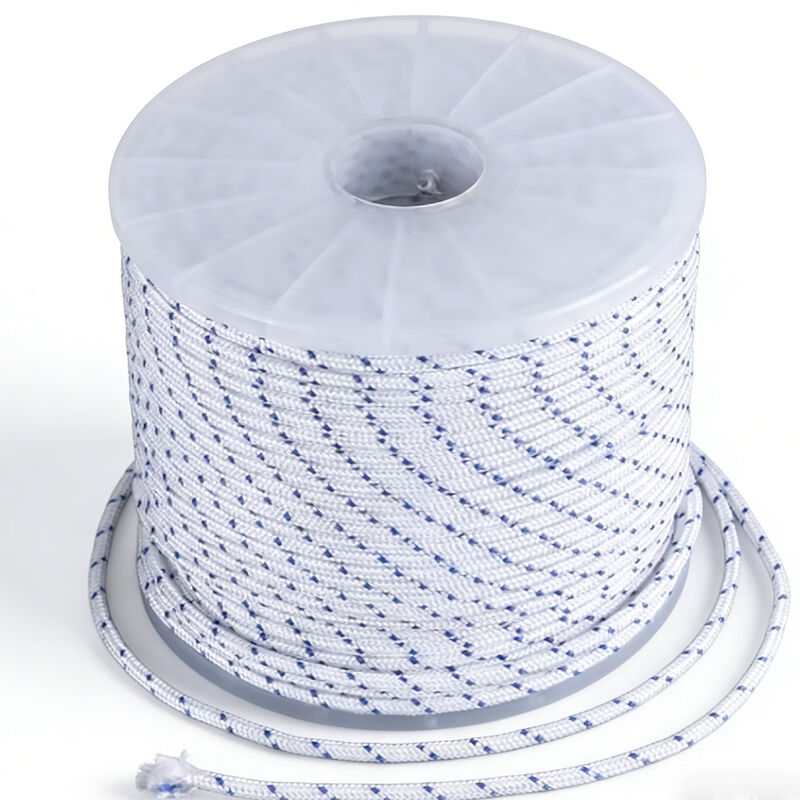
Another crucial consideration is how each rope affords wicking and sun resistance — polyester ropes take good to water, neither weakening nor rotting when moist. Nylon ropes are water absorbent and weaken with time, therefore not suitable for use in wet conditions. Float: Polypropylene ropes float, although this material can break down in sunlight over a relatively short period. Polyester ropes also work better in the heat, an important consideration on a factory floor or wherever outside it’s hot and sunny. Adding to all these characteristics, the polyester ropes from RIOOP are a perfect option for many types of industrial work. They do last longer and keep going, and work well in harsh conditions. This makes them safer — and cheaper, because they don’t need to be replaced as frequently. That said, if you’re considering ropes for work, RIOOP polyester winch lines are stronger, more durable and reliable than nylon or polypro.
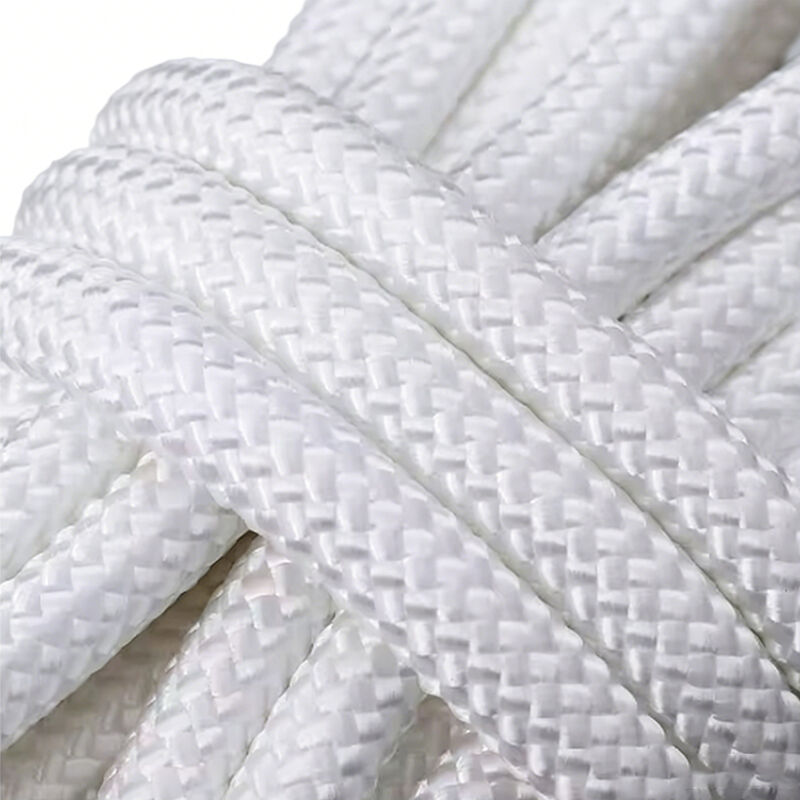
Preventing the rope from becoming damaged is also one of its key maintainers. You can damage a polyester rope by friction against rough surfaces and from cutting over sharp edges. That is why RIOOP suggests rope sleeves or protective covers when applicable. These covering prevent the rope from being worn out too soon. How to store the ropes is also one way of ensuring their longevity. Storing ropes in a cool, dry place (out of direct sunlight) will help prevent them from becoming soft and weak from the effects of heat and UV rays. By periodically inspecting the ropes for wear, such as frayed strands or weak spots, you can retire the lines before they snap.
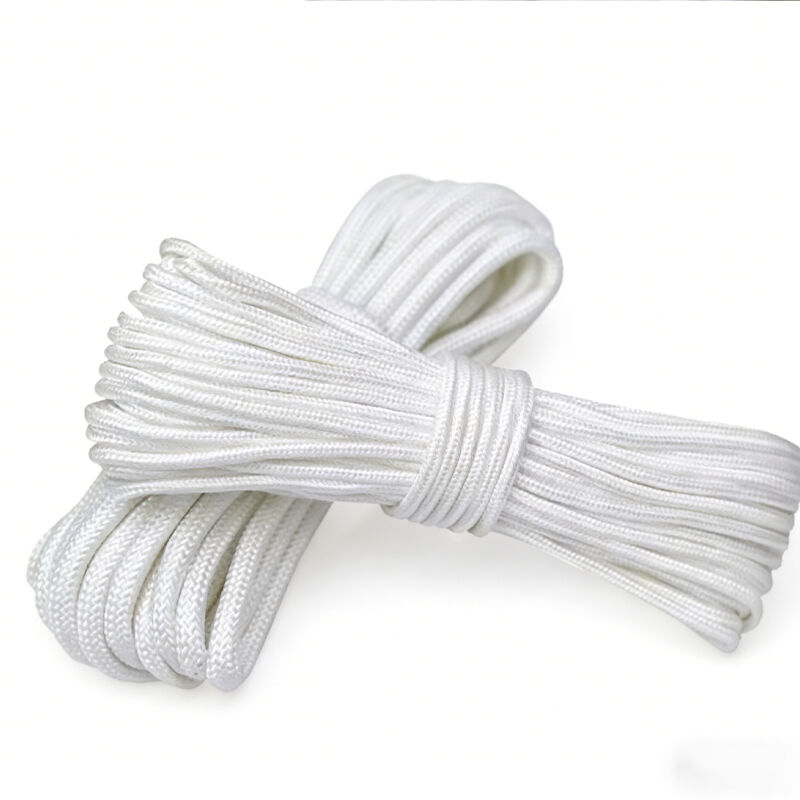
Due to its commercial availability, polyester rope is seeing increased use in both construction and outdoor recreation. Here at RIOOP, we constantly come across innovative ways in which people are using polyester ropes. Polyester ropes are commonly used in construction environments to lift and move heavy materials with minimal risk. Because they stretch relatively little, they prevent loads from jiggling as cranes or workers pull on them. Polyester ropes are also used by workers for tying of scaffold and safety lines. These ropes hold fast, and they’re weather resistant, so workers know they can trust them when working high up. Another emerging use is for locking tools and equipment on job sites. These polyester ropes by RIOOP keep things tied down nice and tight to avoid accidents.