EN
EN

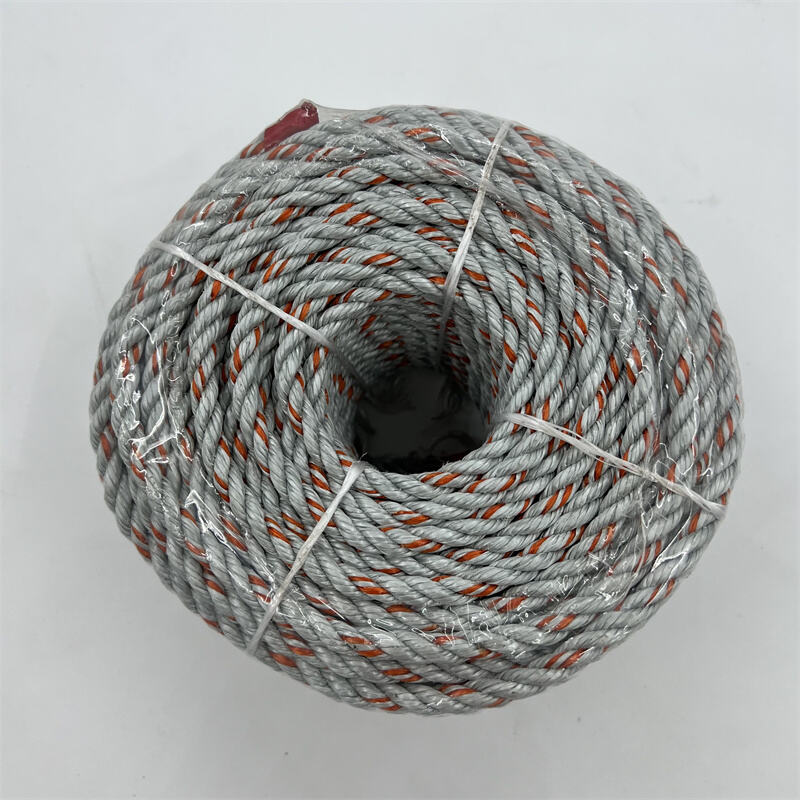
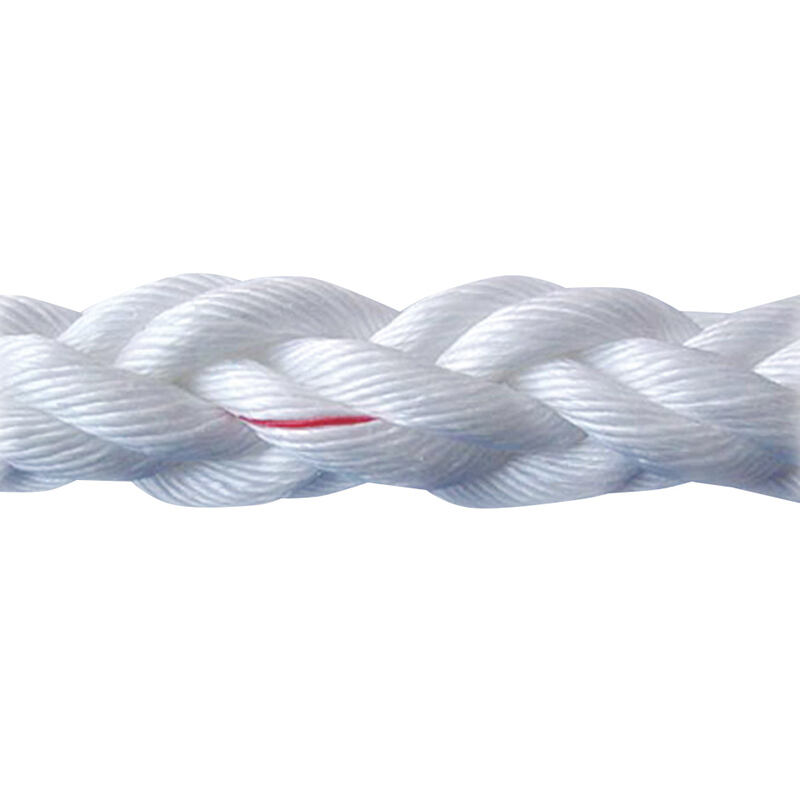
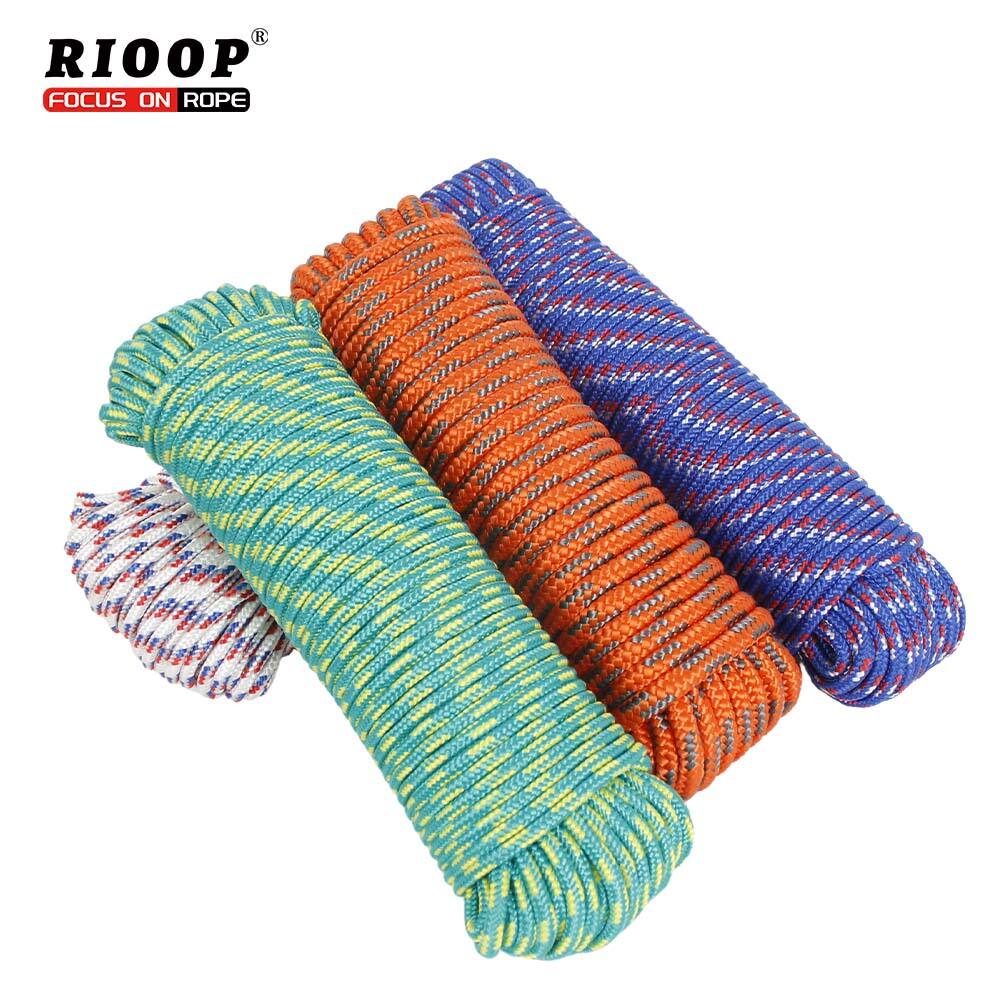
2.1 Boat ropes are essential These type of ropes then become of an important usage when you are out in the water. They are used to secure boats safely to docks or anchors. Boats could get loose and drift away or even bump into other boats and do damage without the aid of strong ropes. Boat ropes are available in numerous sizes and types, and are each designed for specific types of uses and weather. You also need to pull a rope up off the ground and drag it behind your truck, and when shopping for one you’re looking for something that’s strong, lasts a long time and isn’t going to give out with little more than water or sun exposure. At RIOOP, we craft boat ropes that fulfill these requirements. Our ropes will prevent those boats from flying away, whether it’s a little bass boat or a luxury yacht.
A boat rope has to be a strong one, to be sure. First, it needs to stand up to strong pulls and hefty loads. Visualize a large wave pushing against a boat; the rope can’t break or stretch to an excessive degree. RIOOP ropes are well known to withstand high pressure with our breaking. Again, boat rope should be resistant to degradation caused by water. A lot of ropes soak up water and become weak – not ours, our rope’s remain strong when they get wet. Another thing that makes a boat rope special is how manageable it is. Other ropes are stiff and get tangled, which makes using them difficult. Our RIOOP ropes are manufactured with a smooth and flexible construction so you can easily tie or untie knots without trouble. The colour of the rope is important too. Colourful makes you see the rope on deck or in the water clear which is more secure. Then there’s the fact that a good rope is resistant to sun damage, and exposure to the sun can cause ropes to become brittle over time. These are special materials incorporated into our ropes to prevent UV damage. You may assume that all ropes are created equal, but little details like this can add up to a big difference. When you choose a RIOOP boat rope, you can be confident that what you have is carefully constructed machine made rope designed with the challenges of boating in mind.
It is all the more important to select perfect material for boat rope if you want it to last long and work fine. Some things absorb water and become weak or heavy, which isn’t good for ropes used on boats. At RIOOP, we concentrate on products that are waterless and wear-resistant. Nylon is a popular option, as it’s super strong and stretchy. Stretch is good because it absorbs shocks from waves or wind. But... nylon can be quite slippery if it gets wet, so the knots sometimes aren’t as secure this way. Polypropylene is another material. It floats, so should it happen to fall into the water, you can more easily locate and retrieve it. And polypropylene isn’t quite as durable as nylon, so it may wear out more quickly in the sun. RIOOP features special blends that mix and match the best qualities of these ingredients. For instance, we make ropes out of polyester, which is hardy and doesn’t stretch too much; it also resists damage from the sun better than nylon or polypropylene. There are ropes with a core of one material and a cover of another. This is the idea of strength and protection in a single rope. And, by the way, synthetic fibers such as Dyneema are very strong and light as well. They do not take on water and last a long time but can be more costly. At RIOOP, we work to combine quality and cost for the best materials on your needs. We test our ropes in salty, wet, sunny conditions to ensure they last. So when you choose a RIOOP boat rope, you’re choosing a rope that’s made of smart materials that work tirelessly day in and day out to keep your boat secure — no matter where you sail.
Ropes for boats are essentially very useful to keep boats safe and damage free. If you want your boat ropes to last, and continue serving you well, then it is important that they are well looked after. Firstly, always ensure your ropes are clean. Dirt and salt, too, as mud can weaken ropes. Whenever your ropes are in the water, specifically salted sea water, rinse them with clear water. This will remove the salt and prevent the rope from being worn. Let the ropes then dry thoroughly before storing them. When ropes are wet, they can mold or rot, and pose a safety hazard. While you store your ropes be sure to keep them in a cool and dry spot, out of the sunlight. The sun’s strong rays cause ropes to fade and break apart with time. Do not leave ropes on the deck where they can be stepped on or crushed. This may result in small nicks or fuzzes on the rope fibers.
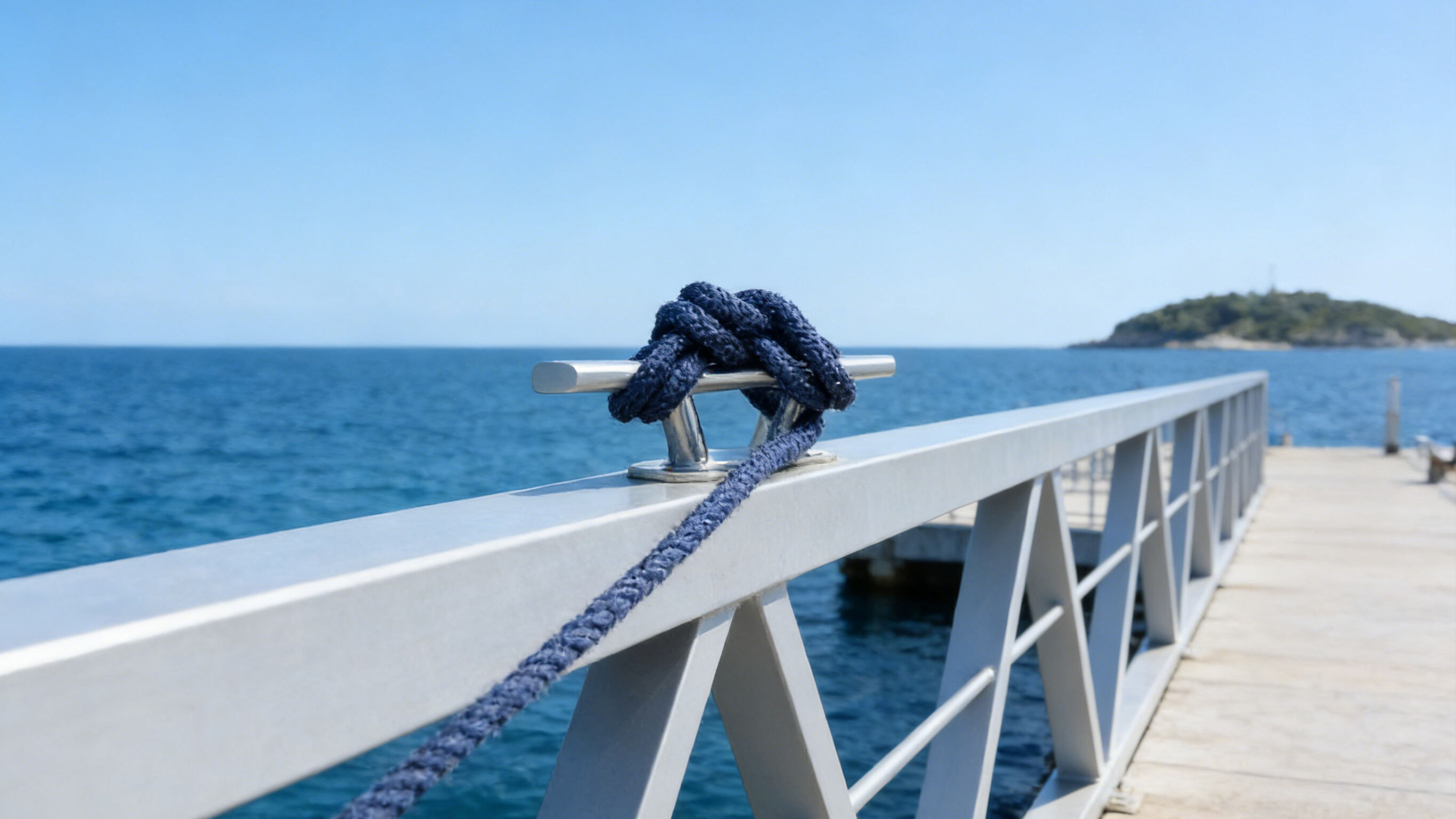
Another tip is to inspect your ropes regularly. Search for signs of wear and tear (frayed strands, cuts, soft areas). If you notice any damage, it’s best to repair or replace the cordouch away. It can be dangerous to use broken ropes. Also, avoid dragging ropes over rough surfaces such as rocks or sharp edges. This can deteriorate the rope more quickly. When you coil ropes, do so gently. Ensure coils are kept loose enough— not too tight to avoid kinks or twists. Proper knotting and not yanking ropes too hard can also help ensure they stay strong.
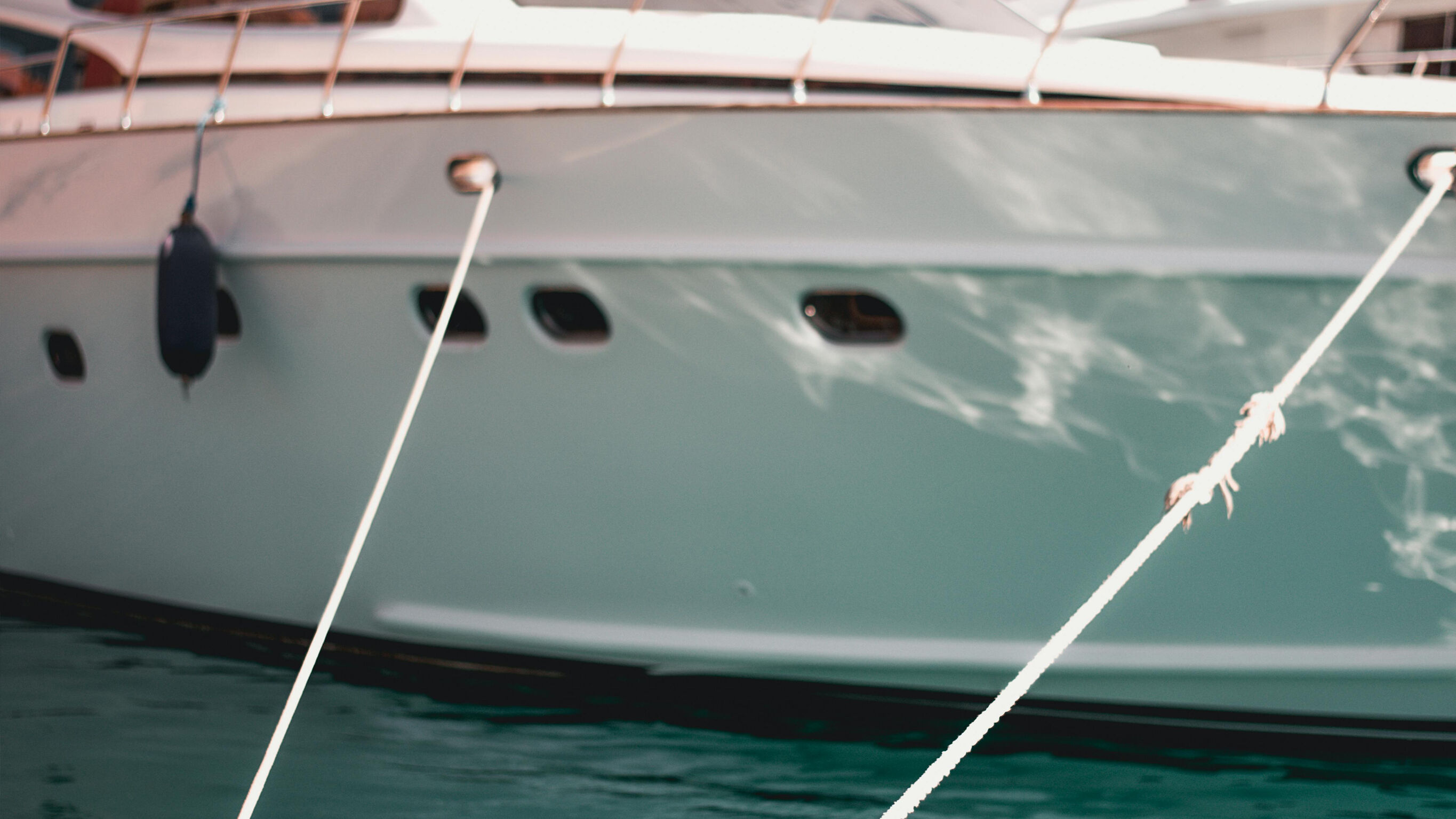
You may have problems with boat ropes if you don't use them correctly. Rope wear is one common cause of failure, occurring when rope rubs against surfaces that are rough or spends too long in bad weather. This can cause the rope fibers to disintegrate and weaken. to prevent this from happening then make sure to always use rope protectors (or large pads) when your rope is rubbing against sharp edges. This prevents the rope from getting easily cut or worn.
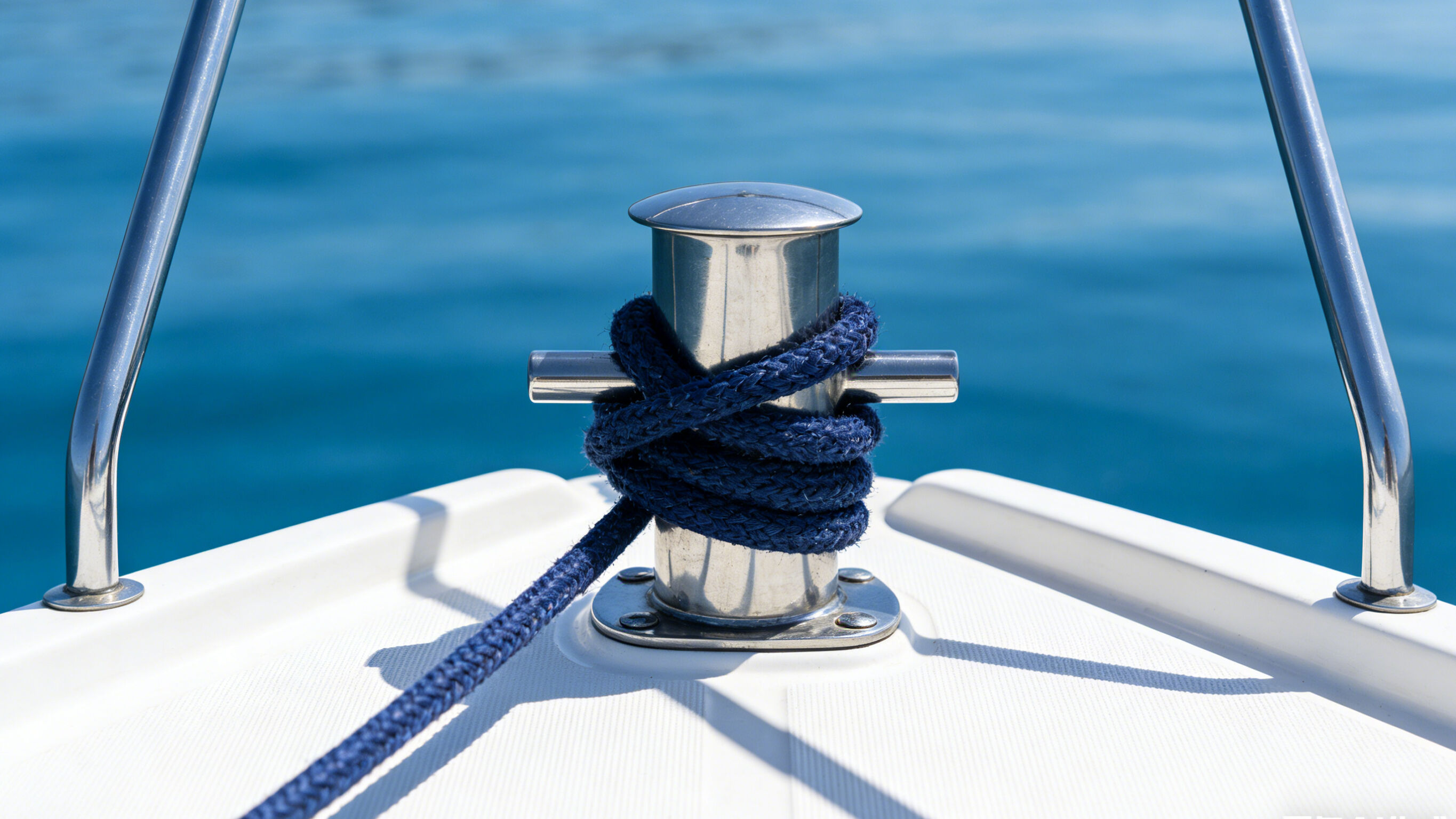
There are various forms, among which plastic rope is a popular one. Nylon is so strong, when it’s yanked it stretches slightly. This stretch also takes up shock, such as from waves crashing your boat or the wind blowing it out of place. Nylon ropes are a fantastic option for mooring, which is just sailor speak for tying your boat to a dock. And because they can extend, they insulate the boat and dock from stress. But nylon ropes soak up water, so they add a lot of weight over time as you roll them up wet.