Mastering Plastic Rope Types: A Commercial Buyer’s Guide to Materials & Applications
In the global hardware and packaging market, the demand for synthetic cordage is rising steadily. For importers, sourcing managers, and Amazon sellers, the challenge isn't just finding a supplier—it's understanding the product deeply.
Choosing the wrong material can lead to product returns, safety failures, and negative reviews. Whether you are stocking a local hardware store or bundling products for e-commerce, knowing the nuances of different plastic rope types is your competitive advantage.
In this guide, experts from Rioop break down the chemical composition, performance characteristics, and best market applications for the most popular plastic ropes.
The Big Four: Decoding Plastic Rope Materials
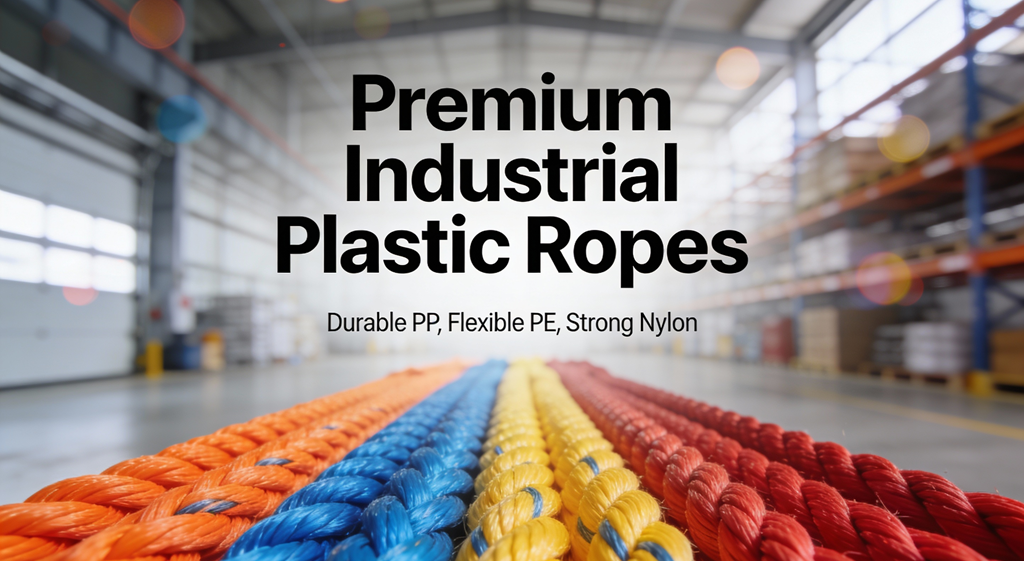
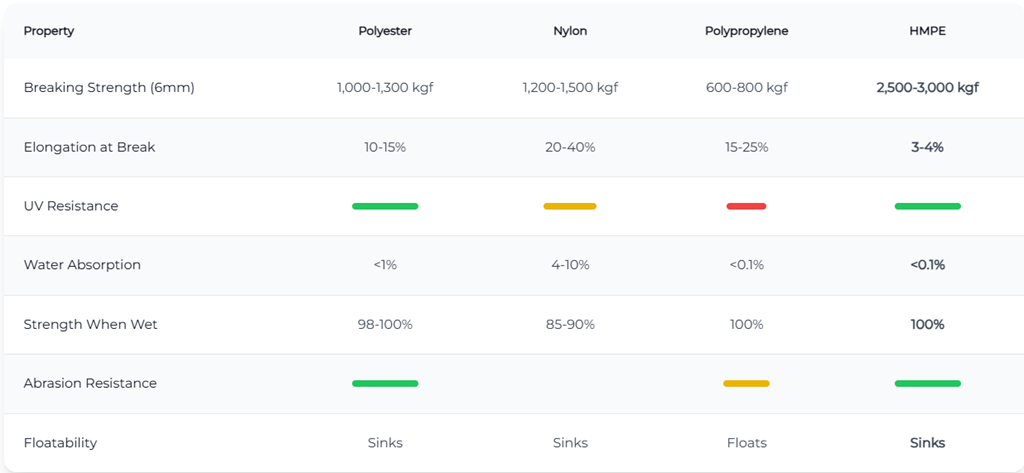
"Plastic rope" is a blanket term that often confuses buyers. In the industry, we refer to them as synthetic fiber ropes. The four most dominant materials you need to know are Polypropylene (PP), Polyethylene (PE), Nylon (Polyamide), and Polyester.
Here is a technical breakdown to help you choose the right SKU for your catalog.
1. Polypropylene Rope (PP Rope) – The Economic Draft Horse
Polypropylene is arguably the most common rope in the world due to its incredible versatility and cost-efficiency.
-
Key Characteristics:
-
Lightweight: It is the only rope that floats on water.
-
Chemical Resistance: Highly resistant to rot, mildew, and most acids.
-
Cost: Generally the most affordable option.
-
Hand_feel: can be made into "Split Film" (rougher) or "Multifilament" (softer, silkier).
-
Best For: General packaging, agriculture, marine applications (due to floating), and budget-friendly hardware store lines.
-
Rioop Insight: For specific markets, we offer UV-stabilized PP ropes to extend lifespan under the sun, a critical selling point for outdoor use.
2. Polyethylene Rope (PE Rope) – The Abrasion Fighter
Often confused with PP, Polyethylene is slightly heavier and offers a smoother, waxing feeling.
-
Key Characteristics:
-
Durability: Better abrasion resistance than standard PP.
-
Structure: Typically stiffer, holding knots well but slightly harder to handle.
-
Appearance: Often has a shinier, glossier finish.
-
Best For: Fishing industries, aquatic farming, and industrial safety netting.
3. Nylon Rope (Polyamide) – The Shock Absorber
Nylon is the heavyweight champion of strength. If your customers demand "heavy-duty," this is the material.
-
Key Characteristics:
-
Elasticity: It can stretch up to 15-28% at break, absorbing massive shock loads.
-
Strength: significantly stronger than PP or PE of the same diameter.
-
Weakness: It absorbs water, which can slightly reduce strength when wet (though it recovers when dry).
-
Best For: Anchor lines, climbing assistance, towing lines, and premium hardware sections.
4. Polyester Rope – The All-Rounder
Polyester rivals Nylon in strength but without the stretch.
-
Key Characteristics:
-
UV Resistance: Excellent natural resistance to sunlight degradation.
-
Low Stretch: Ideal when you don't want the line to "give" under load.
-
Abrasion: Superior wear resistance.
-
Best For: Rigging, flagpoles, and high-quality utility cords for outdoor adventure gear.
Market Analysis: Matching Rope Types to Your Buyer Persona
At Rioop, we don't just sell rope; we help you curate a winning product line. Different downstream clients have vastly different needs.
For Amazon Sellers (FBA) & E-commerce
-
The Problem: High competition and picky reviewers.
-
The Strategy: Focus on Polyester Paracord or High-Quality Braided PP、Rope for water sports.
-
Why: These ropes look premium in photos. Packaging aesthetics matter here. We recommend offering "survival kits" or "camping bundles" using our 550 Paracord or specialized tent ropes.
-
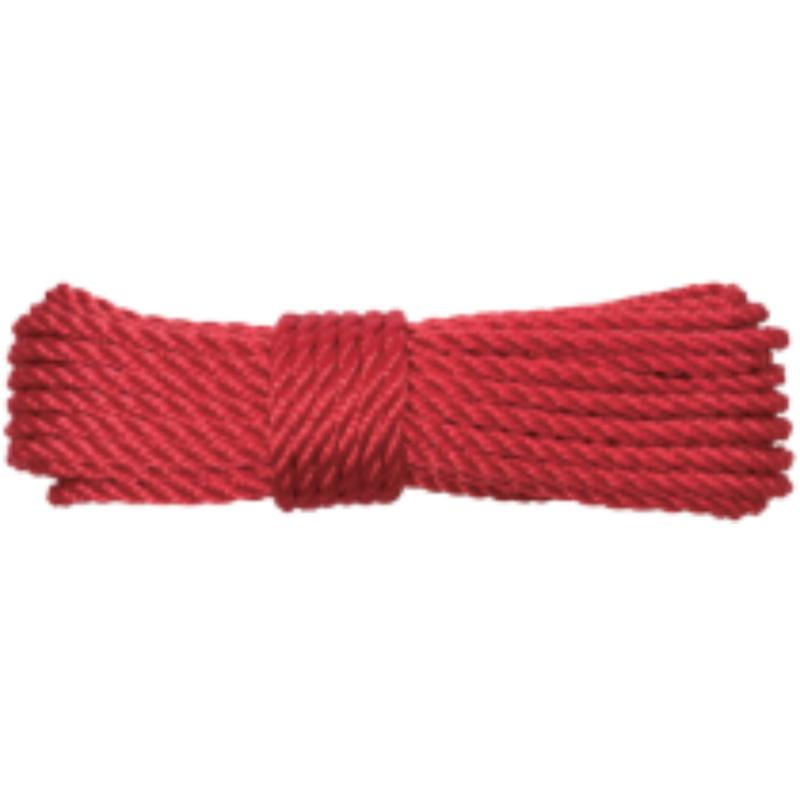
Rioop Service: We provide custom length cutting (e.g., 50ft, 100ft hanks) and barcode labeling ready for FBA warehouses.
For Physical Hardware Stores & DIY Centers
-
The Problem: Price sensitivity and bulk turnover.
-
The Strategy: Focus on Twisted PP Rope and Truck Rope (PE).
-
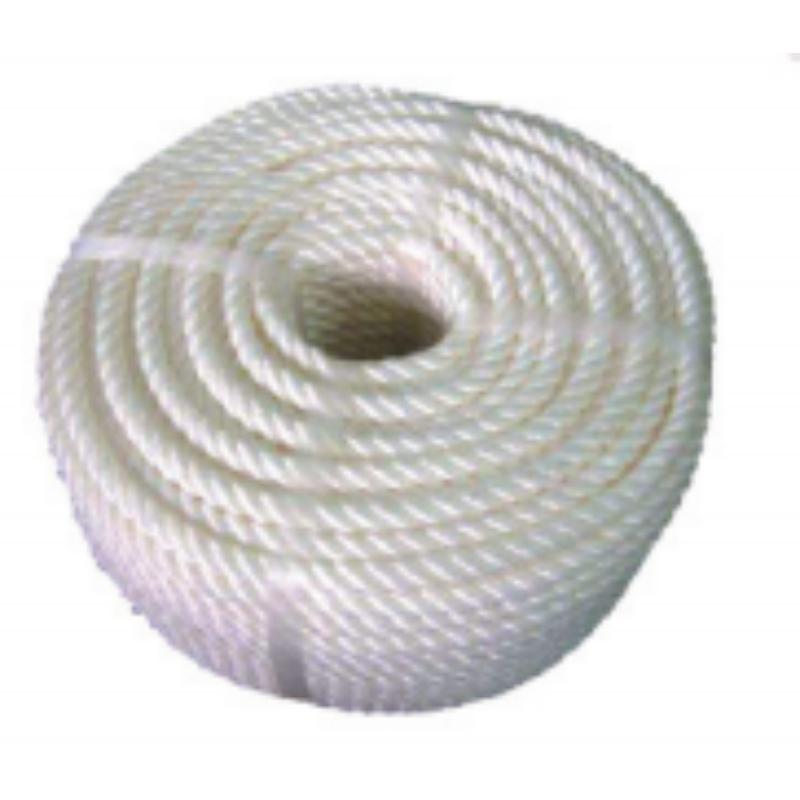
Why: Contractors and farmers need reliable, cheap volume. Stocking large reels (coils) allowing customers to cut to length is a staple business model.
-
Key Selling Point: "All-weather rot resistance."
For Industrial & Marine Supply
-
The Problem: Safety and technical specifications.
-
The Strategy: Nylon and High-Tenacity PP (Danline)、UHMWPE Rope.
-
Why: Failure is not an option. Certificates of compliance and breaking strength tests are mandatory.
The Hidden Variable: Virgin vs. Recycled Material
When comparing quotes from Chinese manufacturers, you might see a price difference of 10-20% for the "same" product. Why?
The answer often lies in the raw material composition: Virgin Plastic vs. Recycled Granules.
-
Virgin Material: Made directly from petrochemical resin. It guarantees vivid colors, maximum breaking strength, and predictable UV stability.
-
Recycled Material: Made from re-melted plastics. It is cheaper and darker/duller in color. The breaking strength is lower and less consistent.
Case Study: A client in South America switched from a competitor's recycled PE rope to Rioop’s semi-virgin blend. While the cost increased by 5%, their customer return rate due to breakage dropped by 90%, effectively saving the brand's reputation.
Pro Tip: Always specify your strength requirements. At Rioop, we are transparent about the material grade used in your order.
Export Guide: Why Sourcing from Rioop Makes a Difference
China is the world's factory for plastic ropes, but quality control varies wildly. As an importer, you need more than a factory; you need a partner who understands the logistics of export.
-
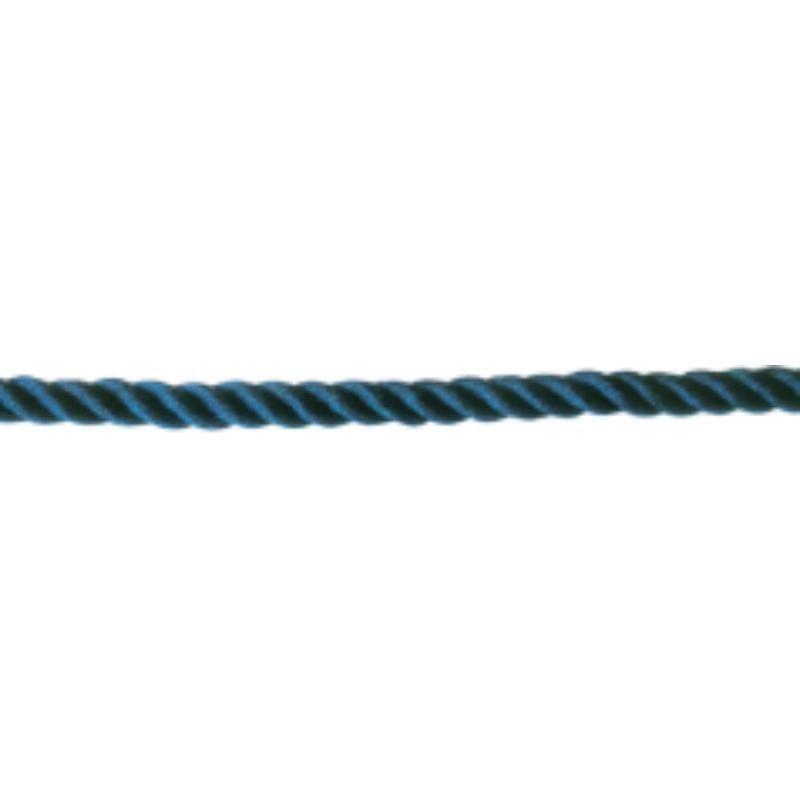
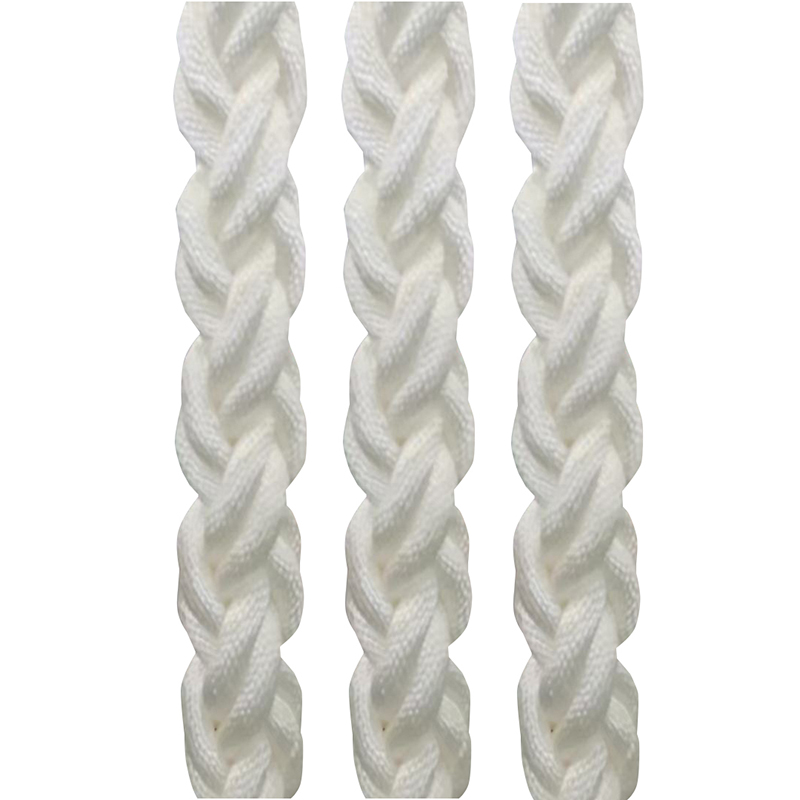
Customization: From diameter (2mm to 60mm+) to structure (3-strand twisted, 8-strand braided, solid braid), we tailor the machine setup to your spec.
-
Packaging Solutions: Clamshells for retail, hanks for shelving, or wooden reels for industrial use.
-
Compliance: We understand REACH standards for Europe and other chemical safety regulations required by major retailers.
Conclusion
Understanding plastic rope types isn't just about chemistry; it's about matching the right tool to the right job. Whether you need the floating capability of Polypropylene or the shock absorption of Nylon, your choice defines your brand's perceived quality.
Don't let confusing specifications slow down your business growth.
Ready to Upgrade Your Inventory?
Partner with a manufacturer that prioritizes quality and transparency. Check out our [Product Catalog Coverage] or contact our export team today for a free sample kit tailored to your market.
[Request a Quote Now]
Visit us at: www.rioop.com
 EN
EN
 Hot News