EN
EN

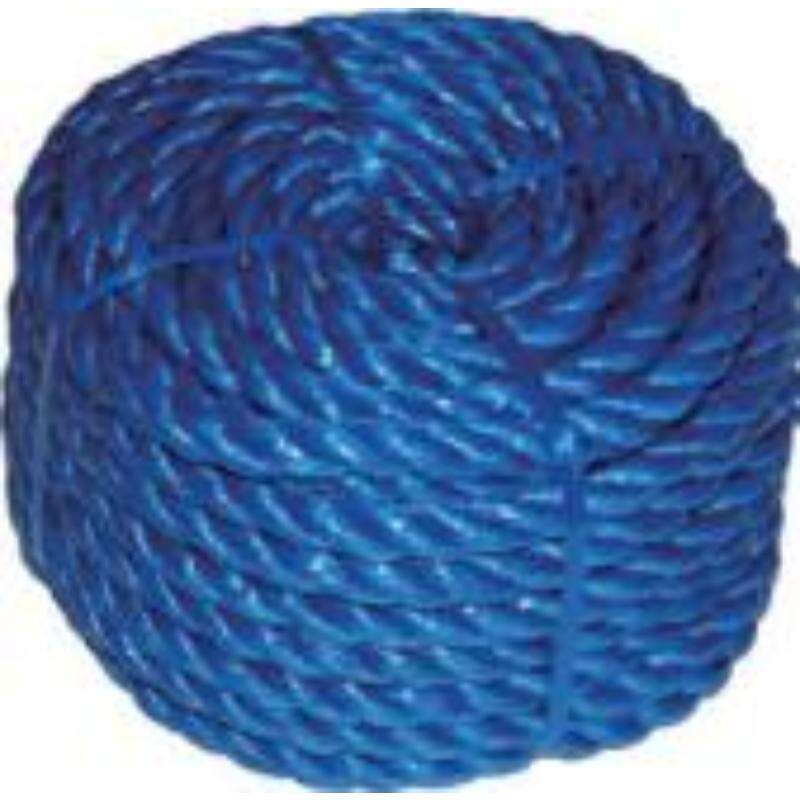
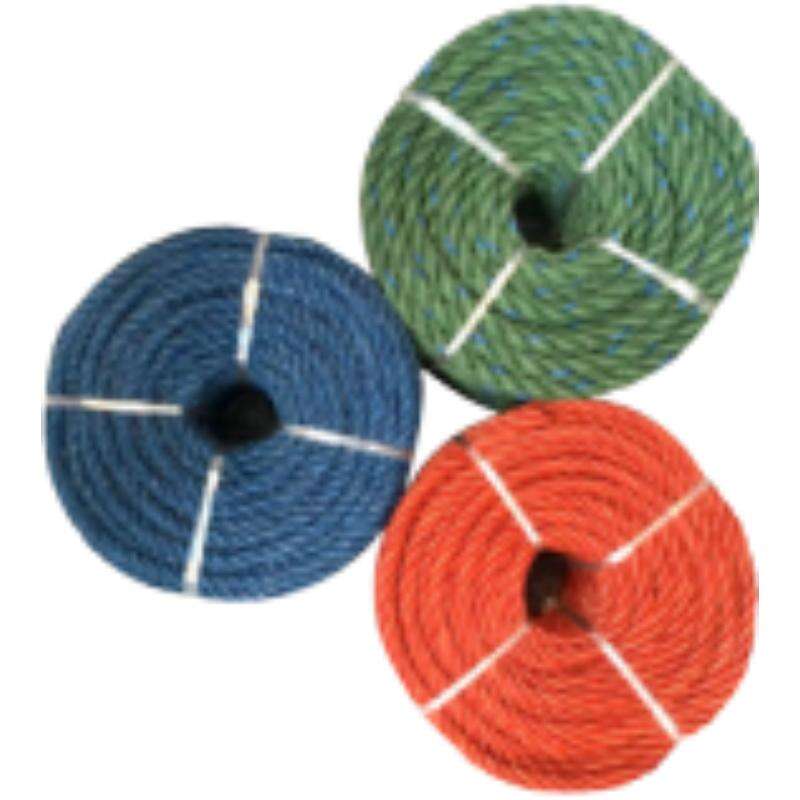
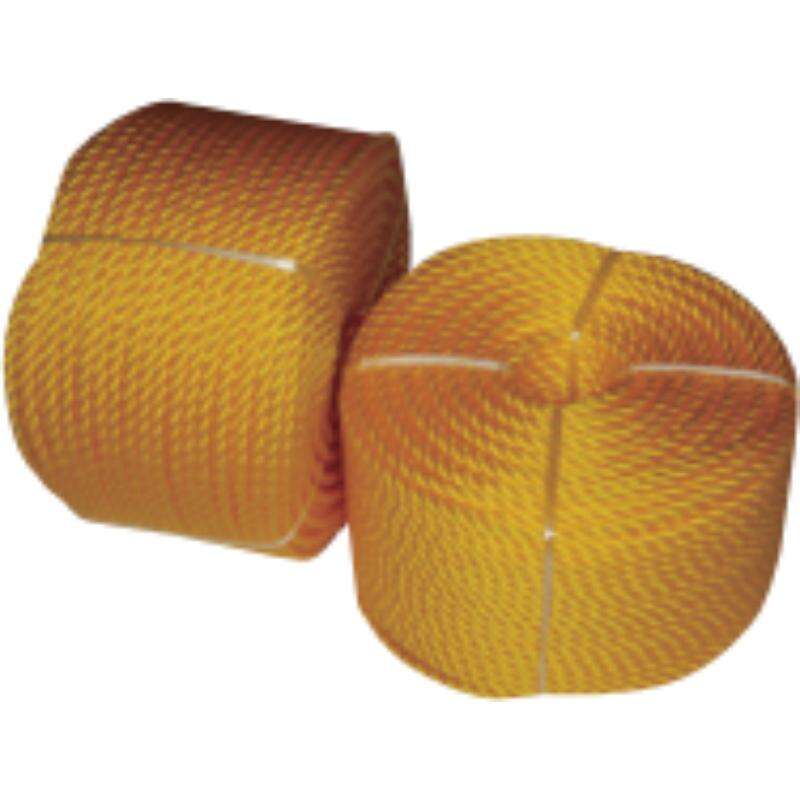
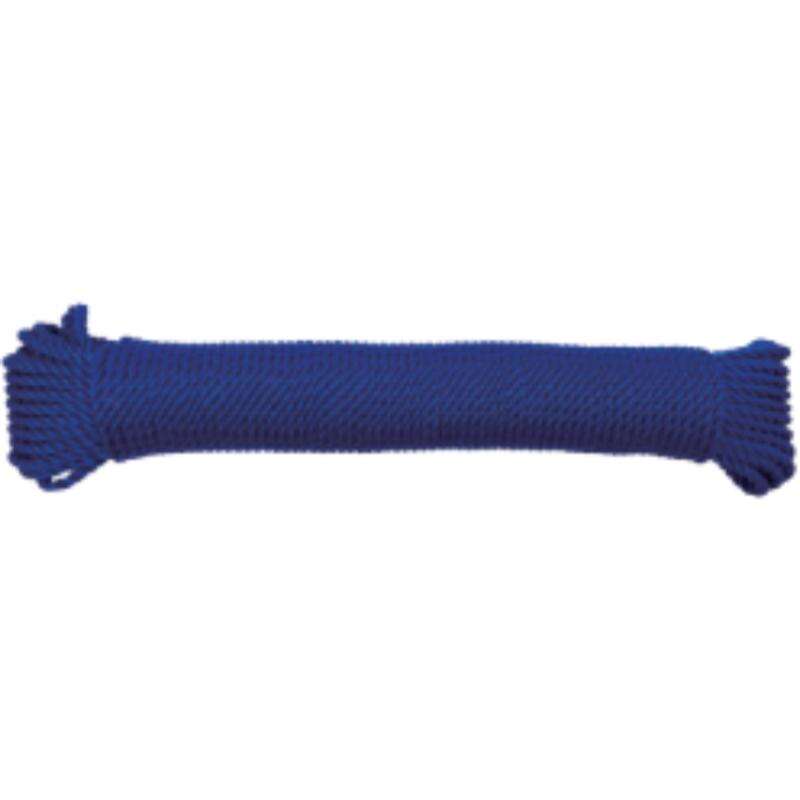
Floating mooring lines are critical to ensure ships and floating platforms remain stable in the water. These lines are ropes or cables which float on the surface rather than plunging far beneath. Since they float at or near the water’s surface, they minimize drag on the seabed so boats remain in one spot. At RIOOP, we produce Heavy Duty Marine mooring ropes, line, and cables which are the highest quality on the marke. They are found in many locations, including harbors, offshore oil rigs and floating wind farms. Buoyant mooring ducts can also handle waves, currents and wind better than other types of lines. But despite their homey appearance, they require careful preparation and maintenance. When they don’t, issues can arise that are expensive and lead to unsafe conditions. So when you are looking at more solutions, knowing the typical problems and why things like floating mooring lines come chosen will make you see why RIOOP is working diligently to generate the best products for your use.
The problems with floating mooring lines and how to solve them receive a great deal of thought. One major issue is simply wear and tear. Floating mooring lines are on the water surface, so they are hit by sun, saltwater and wind constantly. This may cause them to weaken or degrade more rapidly. At other times, the lines are tangled up or hit by boats or debris. When a line snaps, the ship can drift away and that is dangerous.” But at RIOOP, we have special materials and coatings that can’t be harmed by salt or sunlight. We also over-engineer for strength, so the lines last longer. Another consideration is how the lines will shift with waves and tides. If the lines are too tight or too loose, they may put strain on the mooring points and/or your anchors. RIOOP designs floating mooring lines to be flexible enough for them to flex with the water. This lessens the stress on the entire system.” Regular inspection is also key. Small problems can turn into large ones when people neglect to check their mooring lines on a regular basis. At RIOOP, we recommend our clients book checks and replace parts that are already showing plenty of wear in advance. That way accidents can be prevented before they occur. At times the reason is bad installation as well. Without the floating mooring lines being secured or hooked together correctly they are no good at holding though. Our team at RIOOP will provide detailed instructions and support to ensure that every setup is perfect. These are just a few examples of the procedures to ensure that floating mooring lines remain safe and operational for years to come. For additional support, you might consider our Lifting & Tie down solutions.
Why do most people like using floating mooring lines in offshore mooring system. The solution has to do with how they stabilize and make safe what are basically floating platforms. Offshore targets, whether oil rigs or wind farms, are out in rough weather and often deep water. When a traditional mooring line that has sunk comes in contact with any rocks or sea creatures underwater, it can become entwined. But floating mooring lines are kept at or near the surface, so they dodge many of these hazards. This supporting layer also makes them more serviceable than a single piece element, which can be inspected and serviced. However at RIOOP, floating mooring lines had been observed to gain relatively small impact on storm induced failure rates. They can absorb energy from the waves more efficiently and therefore cause less harm to the entire mooring system. Drifting lines also serve to keep the seafloor clean. Long lines that hang on the bottom can damage marine life and stir up mud. Because floating lines do not drag along the bottom, they are more environmentally friendly. Another reason why people opt for floating mooring lines is the speed at which they can be installed. They are quicker to install because they do not require underwater heavy construction. This is a time- and money-saver, and everybody loves that. RIOOP’s floating mooring lines are available in a range of sizes and strengths, to accommodate a variety of types of ships and offshore needs. Our experience demonstrates that the employment of floating mooring lines increases safety and leads to a reduction in maintenance cost over time. But when the swell is up or the wind howls, floating mooring lines maintain an equilibrium and safety. That's why an increasing number of companies rely on RIOOP for their offshore mooring solutions. For those interested in outdoor activities, check out our Off Road & Sports section.
Floating mooring ropes are very much needed in boats and ships as they aid in safely holding the vessels at one place. When a boat is anchored at a dock or parked out in the water, mooring lines are ropes that help tie it into place to keep it from floating away. RIOOP produces special floating mooring lines that are meant to float on the water, rather than drop to the bottom. This is nice, of course, as floating lines are easier to spot and don’t get tangled up under the water with seaweed or rocks. Floating mooring lines minimize the possibility of accidents to people on board or work being done around the boat. It also means the lines stay cleaner and underwater objects don’t damage them.
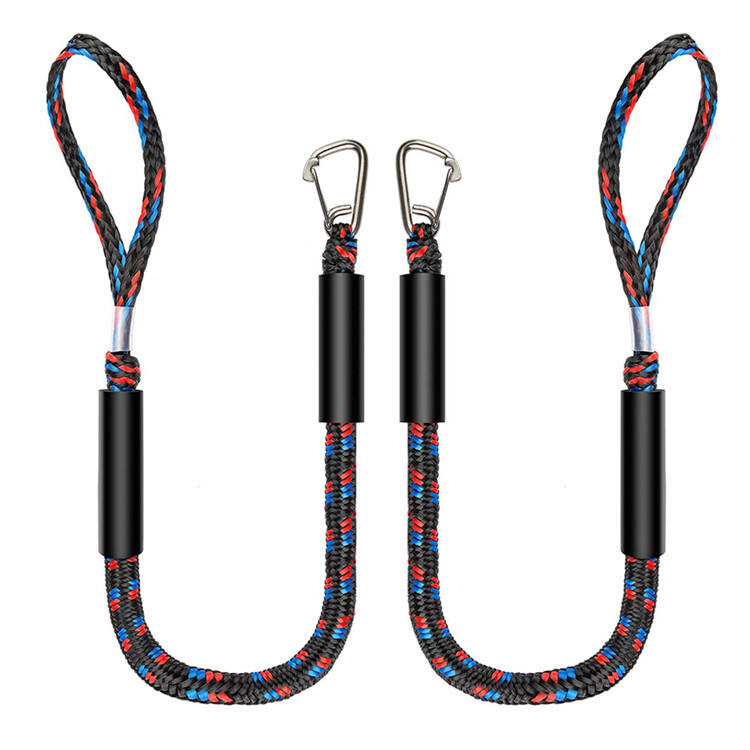
Floating mooring lines that offer the best reason San Francisco moorings are safe. When the line drops, it can be very challenging to retrieve or may even cause boats to become stuck or damaged. The type of RIOOP fly lines they produce also help with this since they're designed to float and remain visible and manageable. They flex and bend without breaking, so they stand up to powerful gusts of wind or waves. This goes a long way in preventing sudden, potentially dangerous snap-back of the line. This makes floating mooring lines last longer, and that means boat owners don’t have to replace them as frequently. It saves money, and it ends up keeping everyone safer. In summary, RIOOP boat docking lines enhance safety on the water and make boating more convenient and reliable.
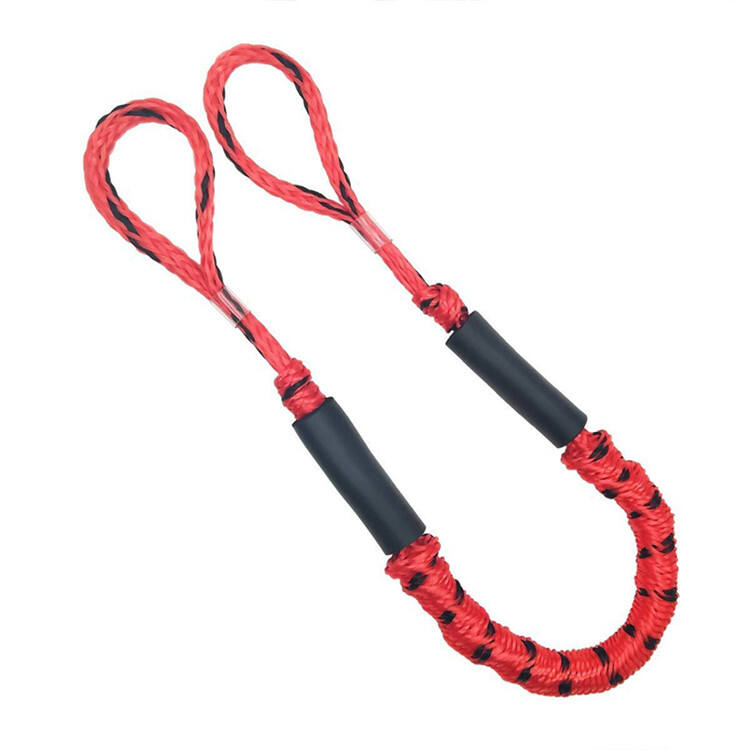
Maintaining the life of floating mooring lines is a priority for them to work effectively over a long period. RIOOP also hopes to educate boat owners on the importance of maintaining adequate mooring lines so they are secure and in good condition. Nembers 1 step is to inspect the line on a regular basis for signs of general wear and tear. Check for frayed sections, cuts or spots where the rope seems weakened. When you find a problem it is generally best to fix or replace the line before it fails. This is an easy thing to do, but it can save you the aggravation of being involved in accidents and protect your boat at the same time.
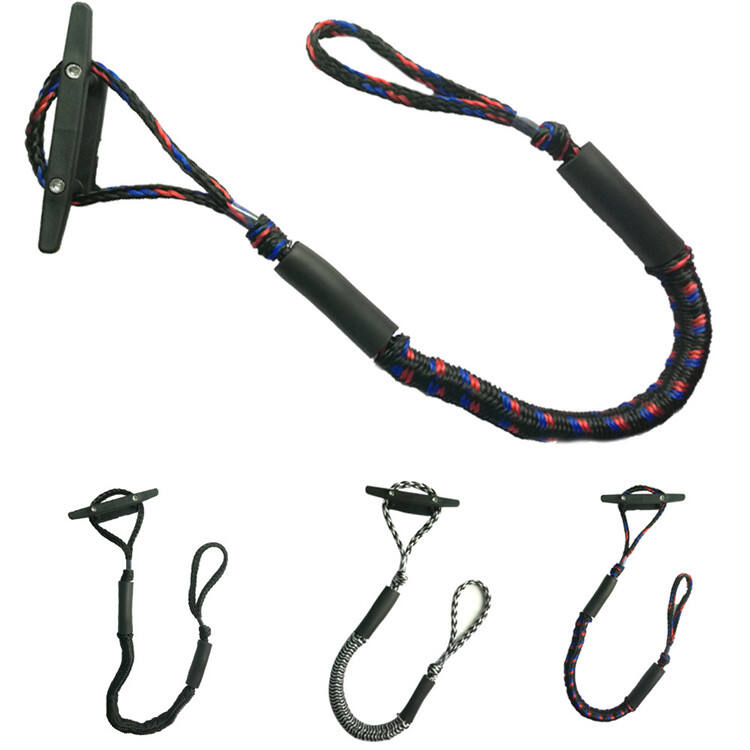
Another good tip is to rinse off the floating mooring lines when they have been used in saltwater. Salt can harden the rope and wear it out more quickly. Rinse the lines with fresh water, then let them dry in the sun. Drying will prevent any mold or mildew from growing (both of which can weaken rope). If you are going to store your mooring lines, be sure that they are placed in a cool, dry location out of the sunlight; this will help prevent UV exposure. RIOOP’s floating mooring lines are designed to withstand damage from the sun, but still best not too keep them in severely bright sunshine for extended periods of time.