EN
EN

A Summary of pp Monofilament Rope PP monofilament rope is a fairly strong and utilitarian tool manufactured from polypropylene. It’s light and flexible and can be used in so many ways. You can use such kind of rope for outdoor activities, fishing and even for gardening. The rope is also known for its ability to withstand the climate. It’s water repellent, so it is perfect if you live in a damp climate. About RIOOP -RIOOP is a professional manufacturer and exporter of rope based on the principles of quality, durability and sensitive to ecological impact our products offer.We have been established with a mission to provide our clients from all over the world with high-quality PP monofilament rope for different applications that may range from DIY and home use to industrial.
It can be difficult to select the perfect PP casoropl rope for you. First, you should consider how you plan to use it. Will it be for fishing, or for camping, or perhaps for a garden project? Various types of ropes are required for various activities. Thus, if you are fishing, you probably want a thinner rope so that it is easier to cast. A thicker, stronger rope is a better choice if you’re using it to lift heavier weights. You’ll also want to inspect the rope’s strength. Almost all ropes come with a label that explains the maximum amount of weight they can carry. Sold in a 6 foot length, there are numerous different weight limits on RIOOP ropes so you can choose the right one for your job. Also, the rope length is crucial. Just be sure to pick a length that works for you. A long rope can be beneficial, but it also can be more cumbersome to manage. Lastly, think about the color. One is that sometimes it’s better if the colors are bright, so you can notice the rope with ease — especially out of doors. At RIOOP, we offer a variety of colors to meet the special you.
You can find following typical problems in case PP monofilament rope usage. One issue is tangling. Improperly stored, the rope will get tangled and be difficult to use. To prevent this, you can neatly coil the rope when finished with it. Another issue that people have is the rope causing damage. You could ruin it if you leave it in direct sunlight for too long. The best way to store it is in a cool, dry place when you’re not using it. Some users also gripe that the rope stretches. The PP monofilament, though strong, can stretch in heavy loads. If you need something that doesn’t stretch a lot, then perhaps you should look to some of the other types of ropes. People sometimes forget to look at the weight limit of the rope in use, and it can break. Always ensure that the working load on the rope is within its capacity. RIOOP includes specific information on the allowable maximum weights of our ropes so steam can be minimized. Being aware of these common issues can help you to better work with PP monofilament roping.
PP monofilament rope is a kind of special rope and it is formed of polypropylene. It is not like nylon or cotton ropes. First, why is PP monofilament so special? (Note: Unlike nylon, which is softer and stretchier, PP monofilament is stiffer and doesn’t stretch much.) Which is to say, when you tug it, it’s strong and holds its shape. This can be a life saver for anything that requires a strong sturdy rope. In addition, PP monofilament does buoy on water while many other ropes do not. I mean that quite literally: If you drop it into a lake, for instance, it will float instead of sink. That makes it suitable for boating and fishing.
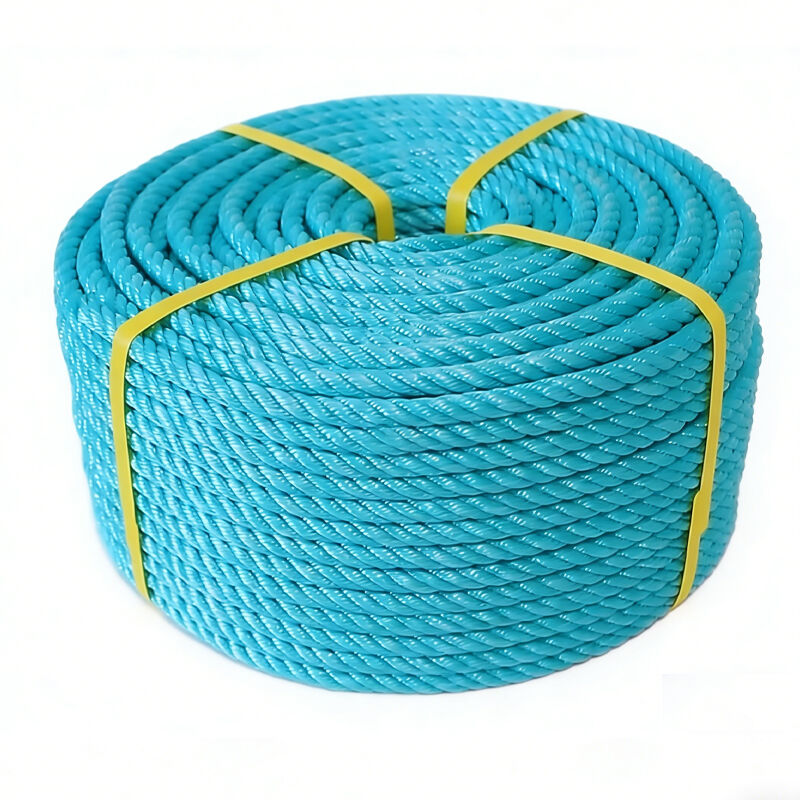
Another variation is the way thatPP monofilament deals with weather. It’s moisture resistant and does not become heavy when wet like cotton rope. Cotton can absorb water and gain weight, which makes using it difficult. PP monofilament on the other hand remains airy and pliable in all weathers, also when it is wet. What’s more, PP monofilament rope is typically less expensive than other materials. And this is the reason it is a favorite in Melrose amongst people and industries. Nylon ropes and the like can be stronger than this but for most general purpose uses PP monofilament is strong enough. It is a nice mix of strength, weight and cost.
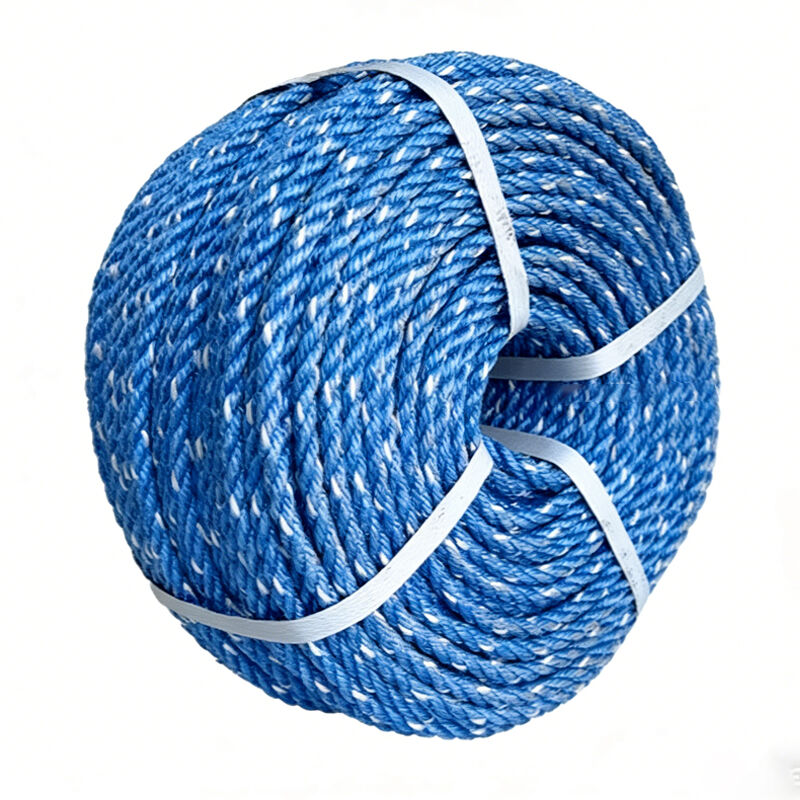
Let's not forget about durability - in which PP monofilament has its share of points too. It may take a long time, especially if you nurture it. It’s UV resistant so it won’t degrade too quickly out in the sun. This is particularly important for anyone who uses rope in the outdoors. There are a lot of advantages to PP monofilament rope and, compared to other types, it offers something quite different. At RIOOP, I think that coming to grips with these differences can help you decide which rope is best for you.
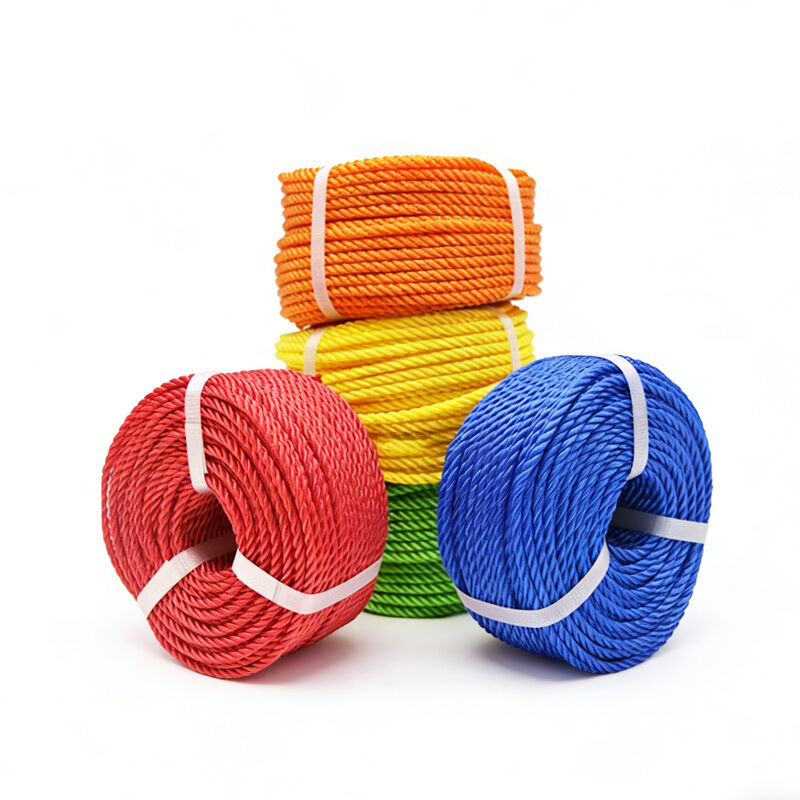
PP monofilament rope has many perks, which is why it is widely used in multiple industries. One of the major advantages is strength. It can bear a lot of weight, critical in industries like construction and shipping. Workers frequently require ropes that can lift heavy loads without breaking. PP monofilamnet is ideal for this - it is strong and robust. This cord is also extremely light weight, making it easy to carry and use. (Workers in places like warehouses or on boats love how easy it is to transport.)