EN
EN

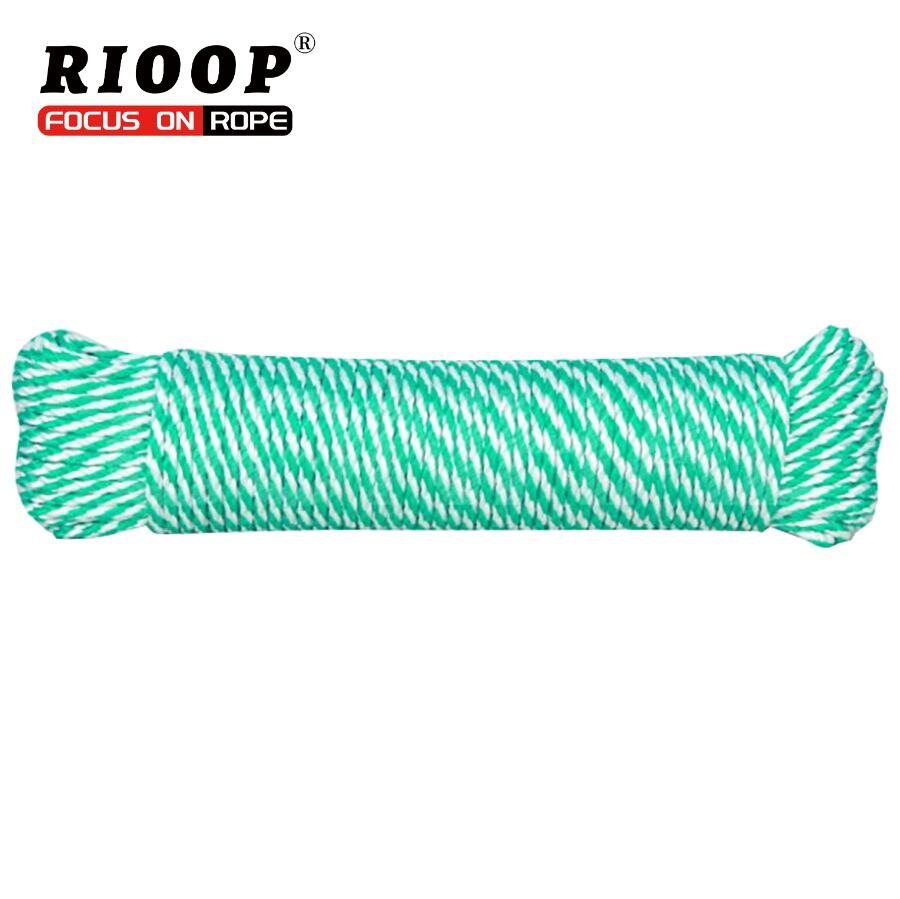
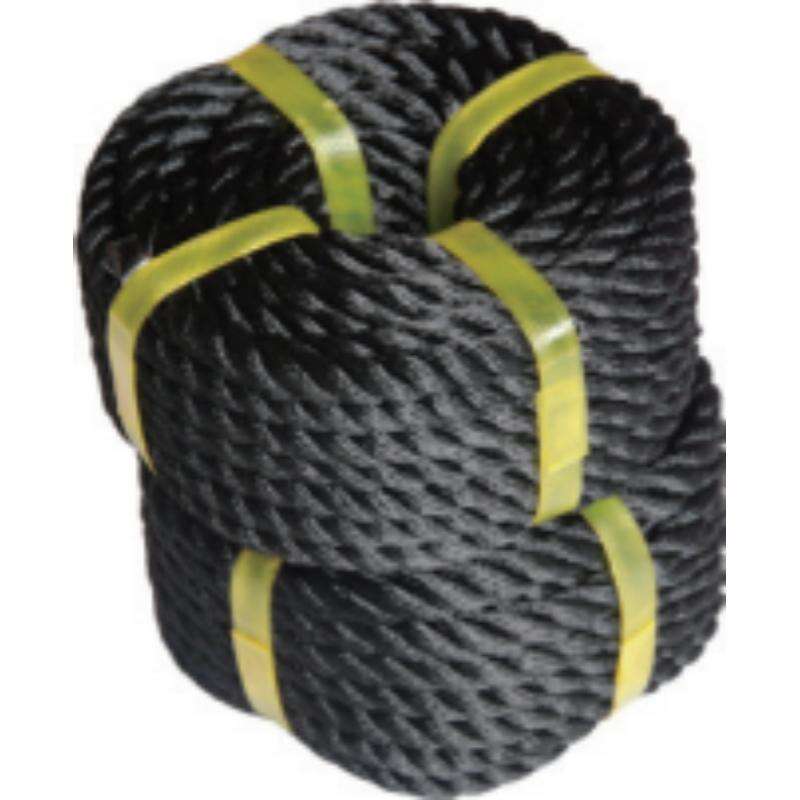
Ask someone to unlash hay twine)Hay Twine can be a special type of string that farmers use to bind or tie pieces of hay bales together. Hay is dried grass—what animals eat—and it’s essential for feeding livestock. When farmers cut and dry the grass, it is then baled to be stored for later use. To keep these bales from unpacking or crumbling when picked up and moved, a farmer needs something tough to hold their contents in place. Which is where hay twine comes in. It keeps things all neat and tidy on the farm. RIOOP does build good hay twine that a lot of farmers have faith in. When one thinks of farming and hay, you should think tan twine because it contributes a lot to how farmers work.
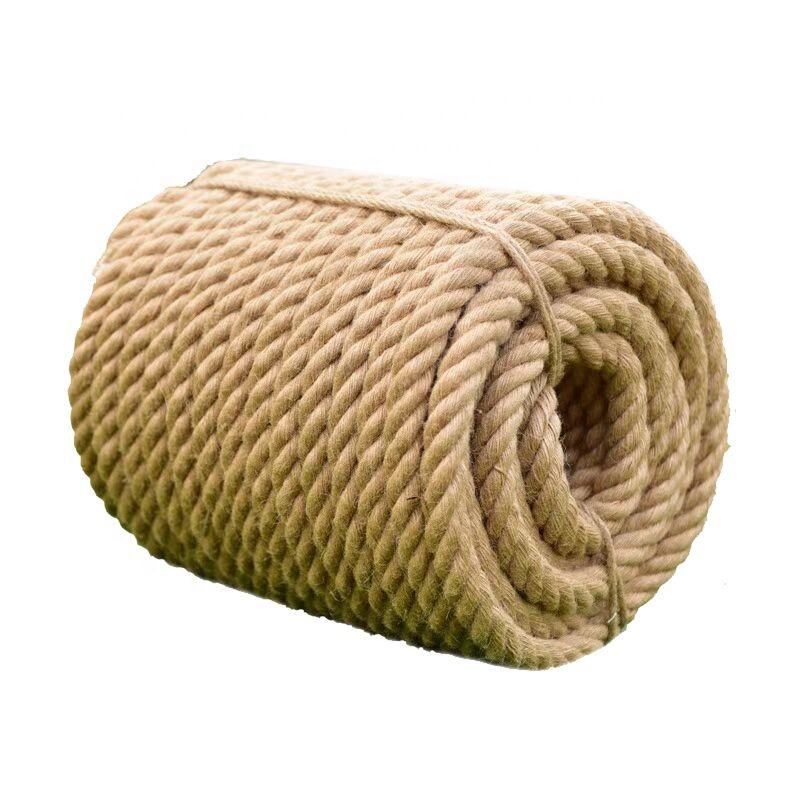
Hay twine is constructed from sturdy materials, so it can support the weight of heavy bales without snapping. This twine can be of various fiber such as polypropylene or sisal. Polypropylene is a hard plastic that doesn’t weaken when wet, and sisal is a strong natural fiber. Farmers buy hay twine by what they need. For example, if a farmer is in wet conditions, it’s smart for them to use polypropylene twine because it won’t rot. But if they’re in a dry location, you might want to use sisal twine, which is biodegradable and won’t ruin the environment.
And hay twine is for more than bales. You can even use it for other stuff on the farm. And some farmers use it to tie up plants or even fix things. It’s very handy! Because it is a versatile tool, the right hay twine is key for any farmer. High quality twine, such as those offered by RIOOP, can make the work of farmers faster and more effective. This translates to more time for the other millions of things that must be done on a farm.
Farmers’ hay twine is a big deal and can make or break the crop. There are a couple of things to consider. First, look at the material. There are various forms of twine made from plastic or natural fibres as noted previously. Farmers should also consider their climate. If you get a lot of rain, they might prefer to have plastic twine. If mostly dry, maybe natural twine would be better.
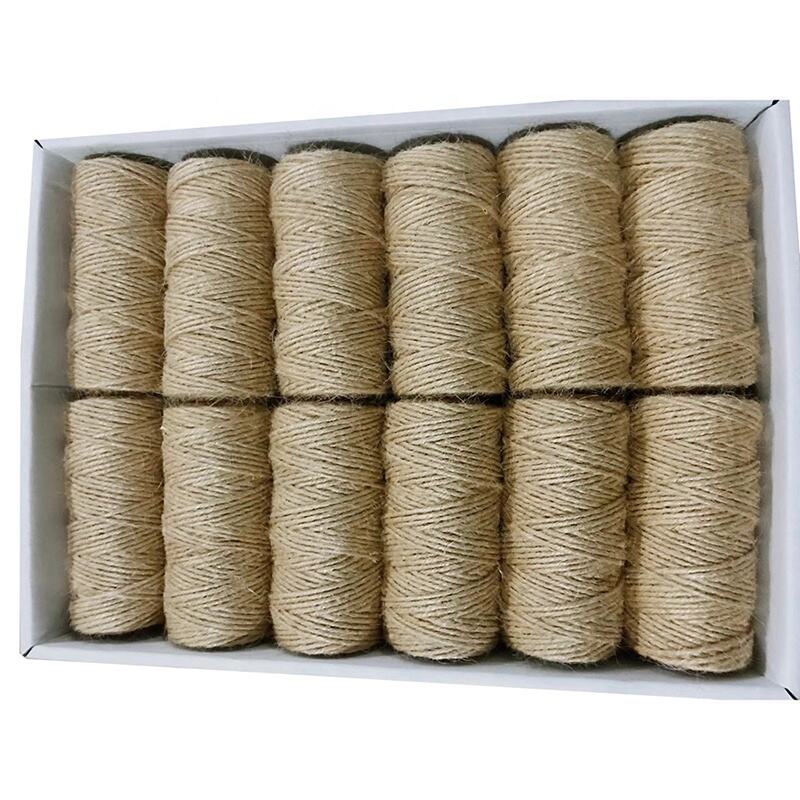
Lastly, consider the price. Every now and then, cheap twine can wind up being an expensive investment if it breaks or deteriorates. It can look like a bargain initially, but opting for high-grade string from RIOOP can end up saving some money in the long run. Good twine will last for many seasons on the farm. By considering these factors, farmers can find the right hay twine to meet their unique needs – one that will keep your hay bales secure and protected.
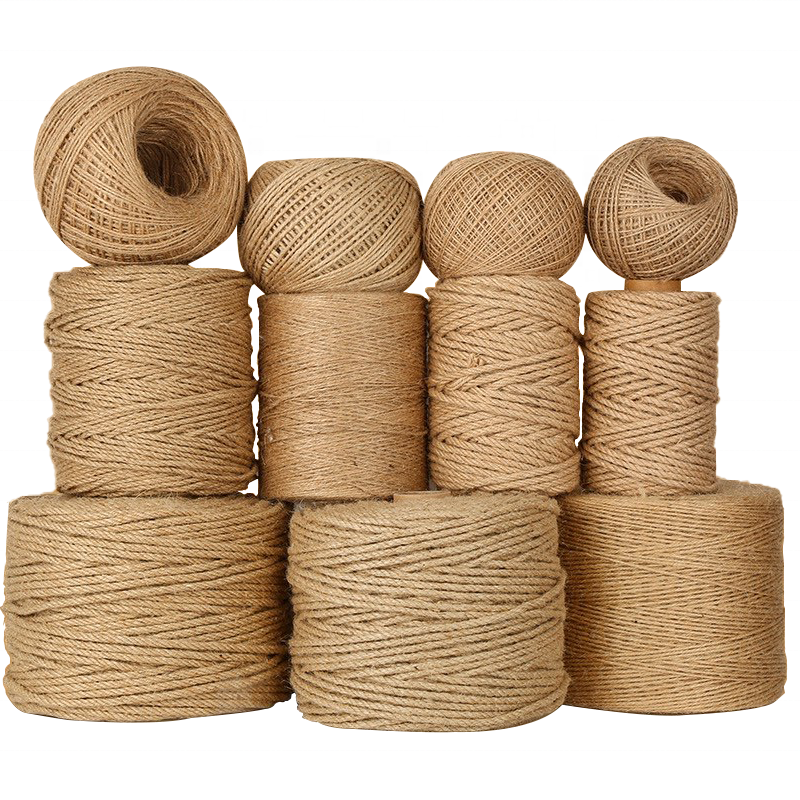
When people work with hay twine, there's some issues that many tend to run into. One major problem is that the twine can easily snap if not used properly. OMG! To prevent this from happening, be sure to inspect the twine before you run. Check it for tangles and that it looks good. A second problem is choosing the wrong variety of twine for your task. There are many kinds of hay twine, and they are each made to do different jobs. For instance, some twine is created for heavy bales while other twine is ideal to the lighter ones.” Whenever you’re buy a twine, be sure to read on its label what it is most suitable for. RIOOP gives you actual information about their twine, so that you can make the right decision. The twine needs to stay dry as well. It can get wet and then weaken or break a little more easily.” Keep your string in a dry place when you store it, and always check it for moisture before you use. Lastly, the other one I see too often is 'I don't have any twine'. It can be quite irritating if you run out midway through a project. So if you can, always buy a bit extra. Stock up with additional spools of RIOOP hay baler twine and have them in your barn or shed ready to go when the job comes along.
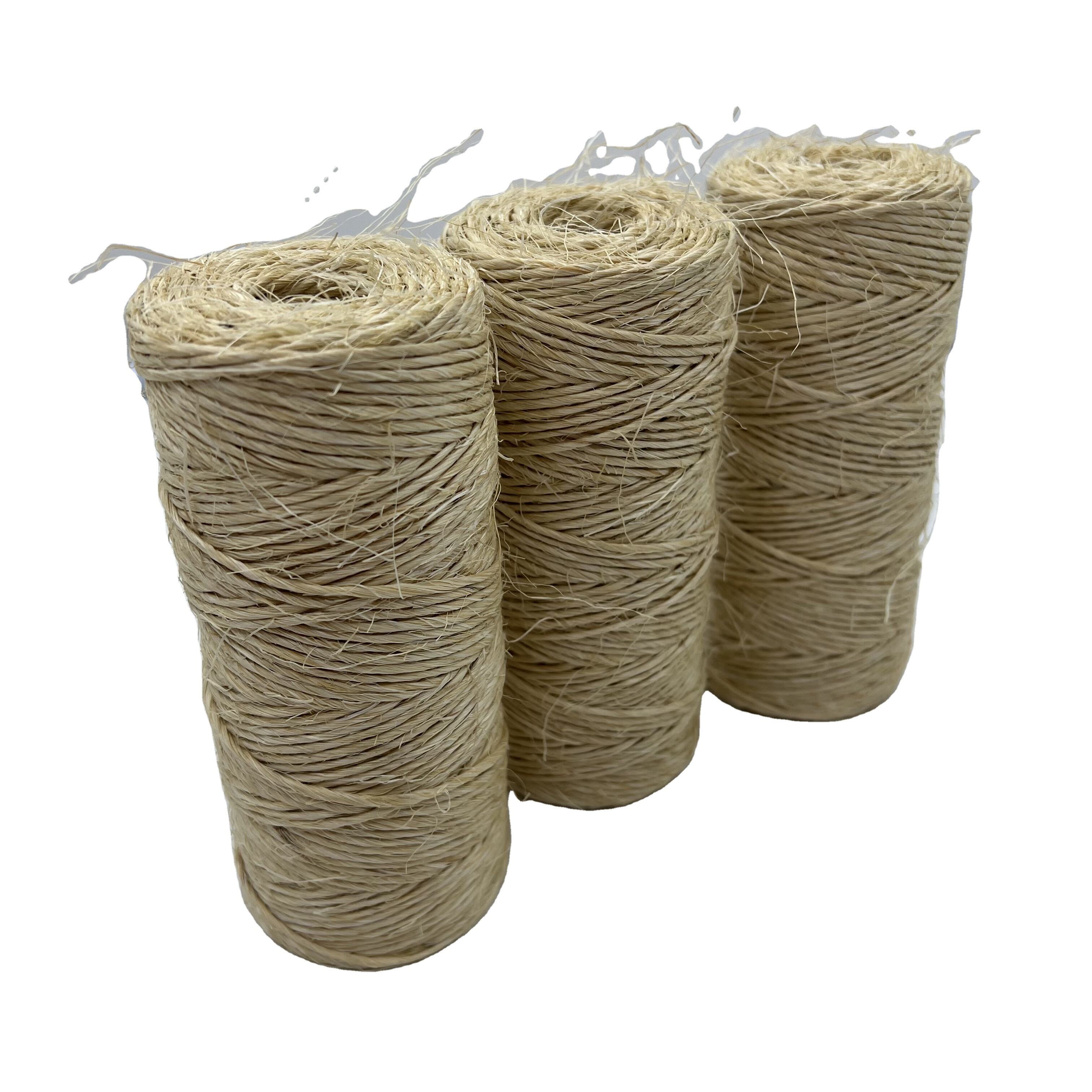
How to Store Hay TwineRight storage of hay twine is extremely essential if you wish it survive for a number of years. First, always store your twine in a cool dry spot. Twine can get ruined from heat and excessive moisture, causing it to be brittle. A good place to store it is in a shed or barn that protects it from the rain and sun. RIOOP recommends keeping adulticide in sealed containers while storing. This will help to protect the twine from dirt and water. Be sure to label the containers as well, so you know at a glance what kind of twine is in each. Another trick to avoid is exposing your twine to sharp items. The twine can be cut or frayed if it rubs against something sharp. When it's time to use the twine, remove only as much as is needed. Don’t take the spool of filament out completely, this will lead to tensions. If you see any knots or tangles, gently untangle them instead of giving them a hard yank. This is will keep the twine in a good condition. Finally, remember to inspect your stored twine ever so often. Examine the cord for wear or damage (pinches, cuts) — frayed cords can cause fire. If you encounter any issues, simply replace it with new RIOOP hay twine and you will always be working with the best!