EN
EN

One of the biggest issues people have with baler twine rope is that it has a tendency to bunch up. That twine can get twisted, knotted and very difficult to use. This can be a time-consuming process for farmers who have to spend precious minutes untangling it — and is laborious work on farms. Another problem is that some twine can snap off. If the rope is too thin, it may also break when attempting to tie a heavier bale. If the pressure is too low, it may break the entire bale - costing a lot of time and money. And if the conditions are damp, twine can get soaked, which actually weakens it. Twine should also be checked regularly to ensure it’s in decent shape. Occasionally, they don’t know that it is an improper twine for their baler. Proper use of the correct twine both eliminates these problems. Also, some forget to store the twine out of the sun, which can weaken it over time. Proper storage is very important. RIOOP rope made from baler twine is built to last for years, but when you safely and properly store your RIOOP baler twine rope.
To get the maximum use out of baler twine rope, it's crucial to keep it organized. Storing the twine in a cool, dry place out of direct sunlight can help maintain its strength. In the beginning of tying bales, it’s a good idea to take all the twine and make some things accessible. This reduces the time on large fields. Another good tip is to learn how to tie knots properly. That way the bales will remain tight and not fall apart during transport. If these bales have to be transported for quite some distance, it’s important to double check the knots in order to avoid accidents. What’s more, using a baler that fits the size of twine is crucial. Certain balers do a better job when thicker twine is used and others when thinner twine is employed. RIOOP comes in a range of twine sizes so that farmers can select what applies best to their operation. Finally, determining how much twine is required for each bale prevents any from being wasted. Since farmers can keep track of how much twine they are actually using, they’ll be better able to plan their buying. When it comes to getting the absolute most that you can out of your baler twine rope, it’s all in the details.
When you think about farming, finding the perfect baler twine rope is critical for success. Baler twine is what holds the bales of hay or straw in place. Various crops call for various twine applications to keep things neat and tidy. For example, when baling hay, you need twine that is strong enough to hold a heavy load. RIOOP makes a special thread that is manufactured for the job. This twine is heavy duty and strong, so it’s perfect for securing large bales of hay. Alternatively, if you’re baling lighter crops such as straw or clover, your twine may not need to be quite that heavy-duty. In this instance, instead of employing RIOOP’s standard polypropylene baler twine you could unroll a lighter variety making the task more manageable.
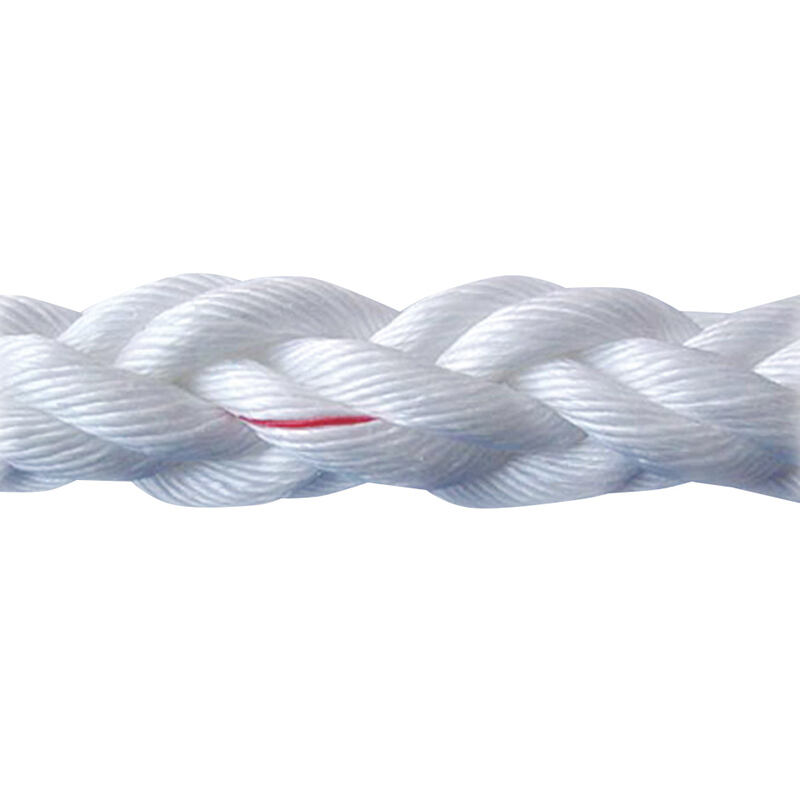
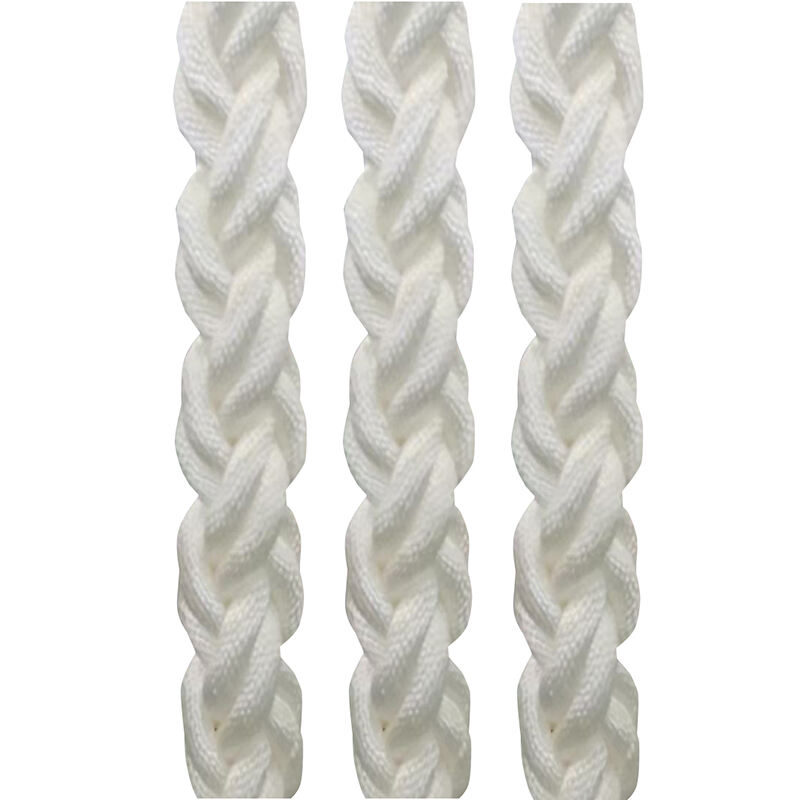
Also, certain farmers might require twine conditions for special circumstances, such as wet weather. RIOOP carries a type of twine that is meant to be workable in inclement conditions. This way you can work, without worrying that the twine will snap. You also have to take into account the size of bales you are creating. The thicker the round bail, the stronger the twine needed, so that larger round bales generally require thicker twine than smaller ones. RIOOP offers varying thicknesses so you can choose which one best serves your needs. Finally, consider the machine you're using to bale. Some balers need twine of a specific size. RIOOP is available in multiple series, giving you the best match for your baler. Selecting the correct baler twine cord, will allow you to have a good harvest and make your job easier. For instance, opting for an 8STRAND BRAIDED ROPE can enhance your operations significantly.
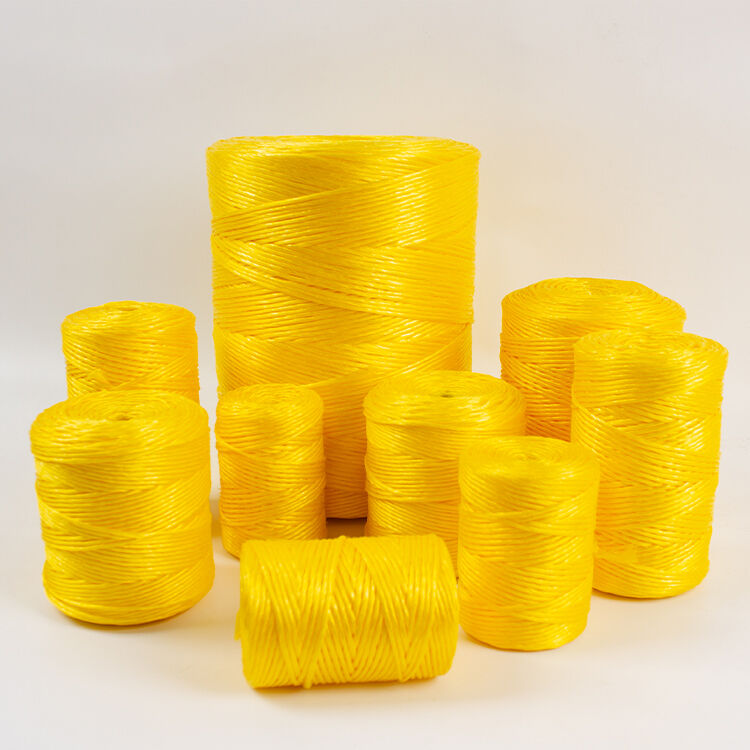
Purchasing baler twine rope in bulk makes lots of sense to farmers looking to support their bottom line. You can often get a better price when you buy a lot of twine at once. RIOOP offers baler twine by the pallet, allowing you to buy more and spend less per roll. This is really great for farmers with a lot of twine to tie their bales. Check out their website for all the options you can choose from RIOOP twine is available to purchase directly through their website. They’re typically on sale and have bulk purchase deals, so it’s an even better bargain. Local farm supply stores are also a good place to look. On occasion, the grocers have special offers for farmers who purchase more. It’s probably best to call ahead and check if they have any RIOOP twine in stock or if they’re willing to offer you a bulk discount.
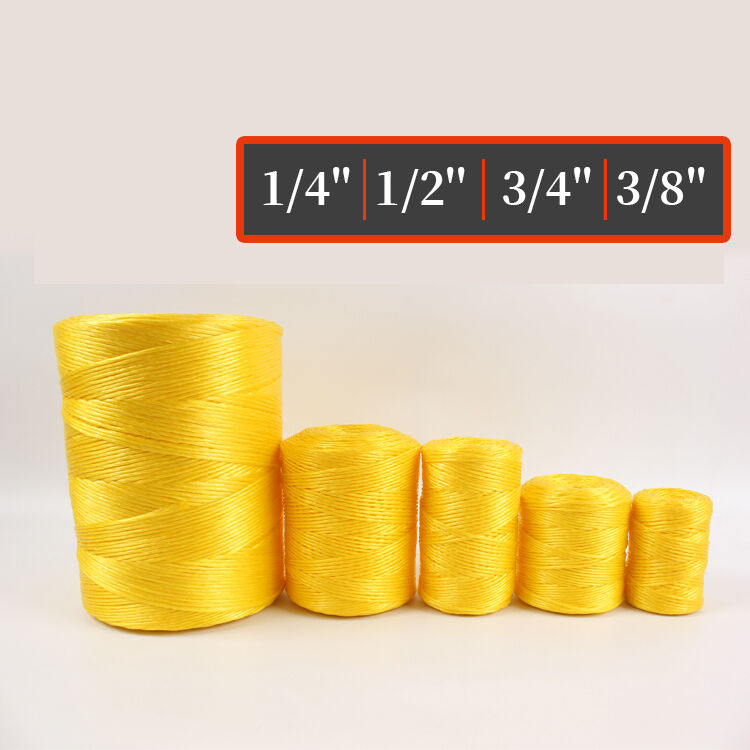
You can also try online marketplaces. RIOOP is one of the many brands that you can buy directly from manufacturers on many of these websites mentioned above. This is an easy method for tolerable prices. Just make sure to read the reviews and ensure that the seller is reliable. If you have friends or neighbors who farm, go together to buy bulk. That way, you can split the expenses and save even more cash. On top of that some manufacturers will have loyalty plans or discounts with repeat consumers. Sign up for the RIOOP newsletter if you want to keep abreast of new deals and promotions. Purchasing bailing called with netwrap wholesale will save you money as well as ensure there’s enough on hand when the time comes to get work done in the fields.
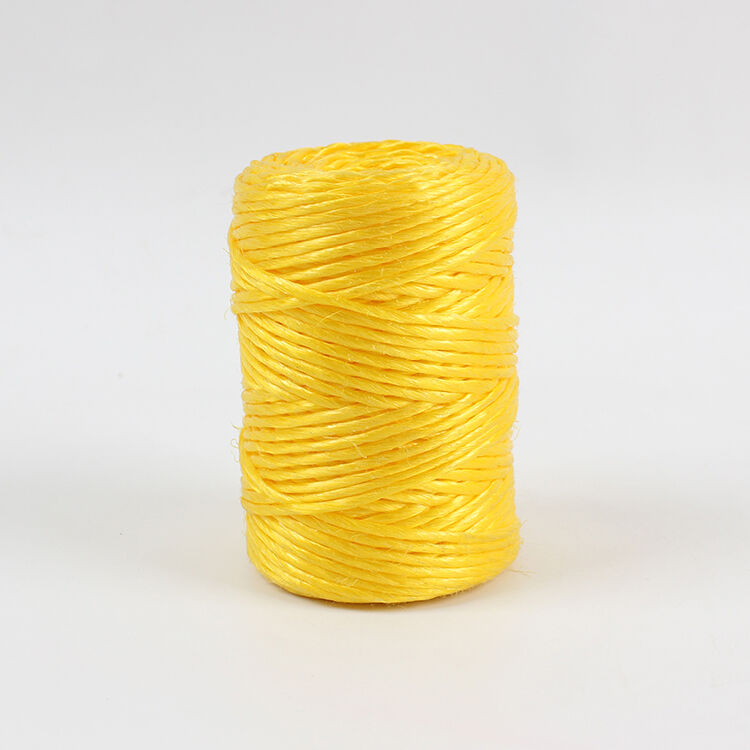
Using baler twine will sometimes cause issues, but not to worry! Most issues have simple solutions. One of the most frequently occurring problems is that the twine snaps in the process of baling. If this is occurring, have a look at the twine you are using first. The twine in RIOOP is intended to be strong, but if it’s old or has been damaged it might break under rough treatment. Make sure you use fresh twine and inspect the roll for wear. And if the twine keeps breaking, that may mean your baler is not properly adjusted. Your baler's manual will tell how to check that everything is properly adjusted. Now and then, the power might be a little too tight or loose, which could lead to problems.