EN
EN

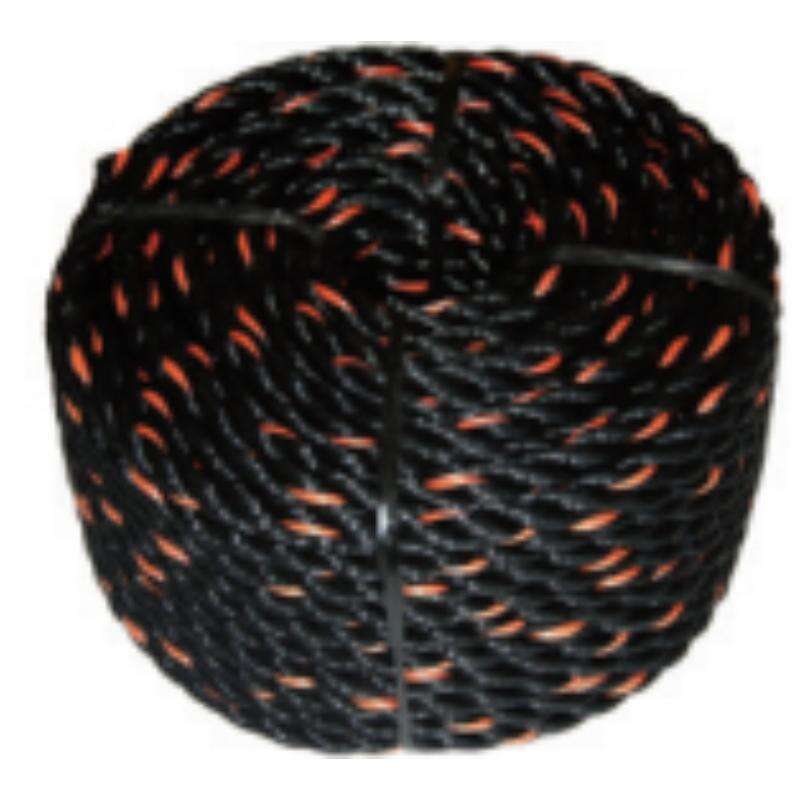
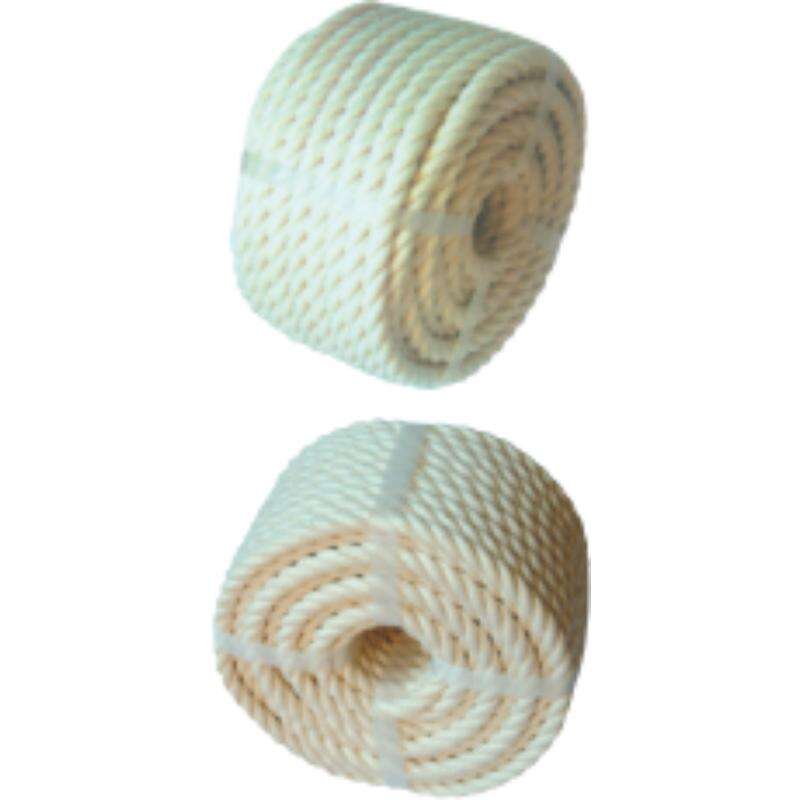
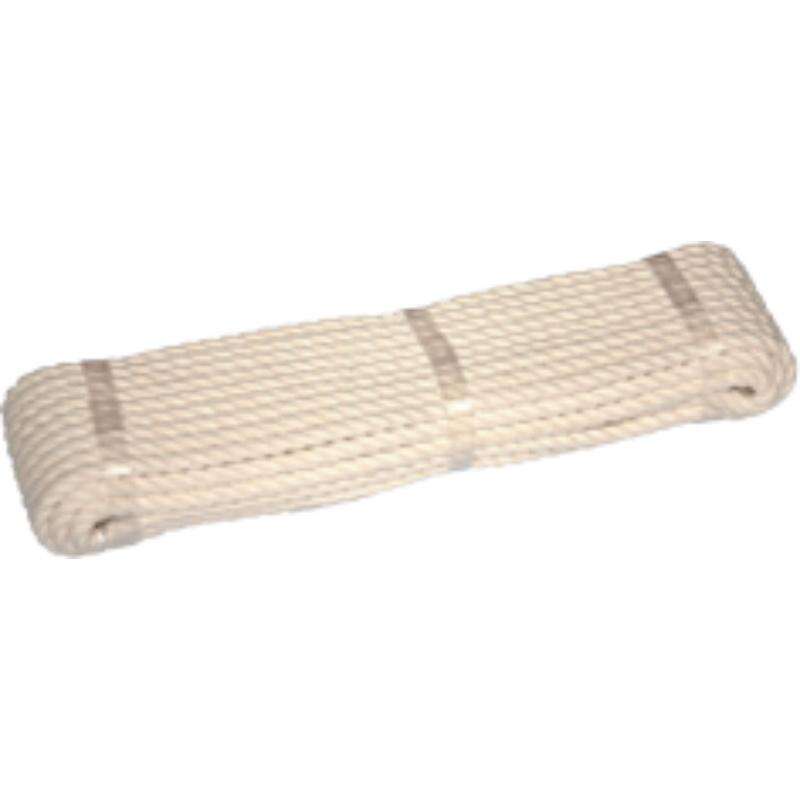
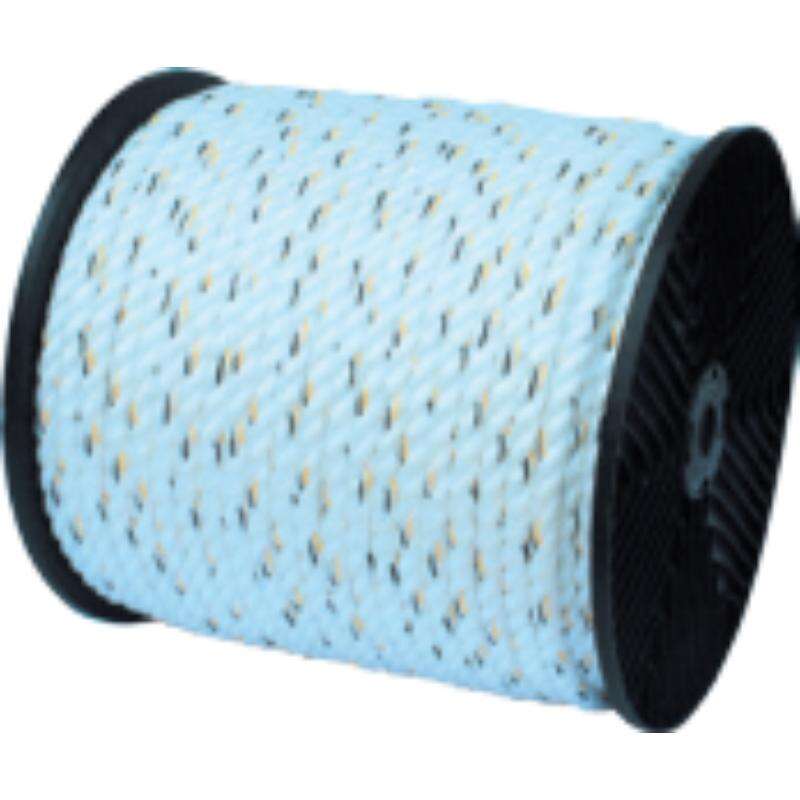
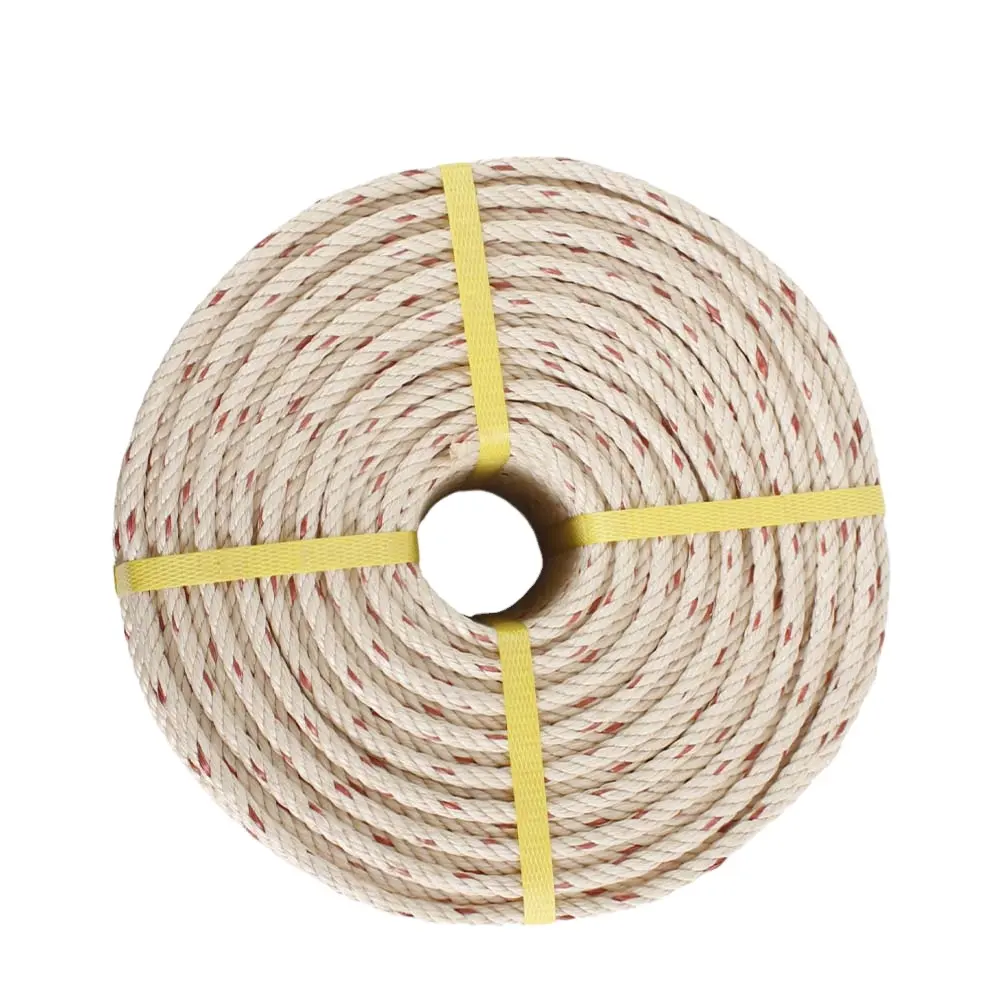
Farmers require hay bales for the storage and transportation of hay. Twine is a great material to keep these bales intact. Twine aids in tightly strapping the hay into bounds, preventing it from jostling loose while in transit. RIOOP does great quality cord and it’s perfect for this. The type of twine you use can make a big difference in how well your hay stays baled together, and it’s especially important to consider this if you want the hay to last for multiple seasons.
When choosing twine for hay bales, there are many things to consider. First, you need to identify the type of hay. Various hay types may differ in weight and size. For instance, alfalfa hay tends to be heavier than grass hay, so you may need a stronger twine for it. Now think about the diameter of the twine. Thicker twine tends to be stronger (meaning it can hold more weight) but more difficult to work with. RIOOP has twine in a number of thicknesses, so you can easily find the type that suits your need. Weather tends to play a role too. And if you do live in a rainy spot, you want twine that doesn’t break down when wet. RIOOP twine is designed to stand up to moisture, ensuring your hay won’t become loose even if you get caught in the rain. Also consider how you plan to use the hay bales. If you are taking them on a substantial journey, then you want twine that isn’t likely to snap. Also, the color of the twine can be important as well. Some farmers choose bright colors so they can easily spot the bales in a field. Last but not least, see how easy it is to tie the twine. You want something that you can tie without even thinking, and that doesn’t require your fingers to be on good working order after a long day on the job. Selecting the appropriate twine is not just a matter of strength; it’s about finding the delicate balance that aligns with your individual needs. Consider using POLYESTER 8STRAND HAWSER ROPE for additional strength.
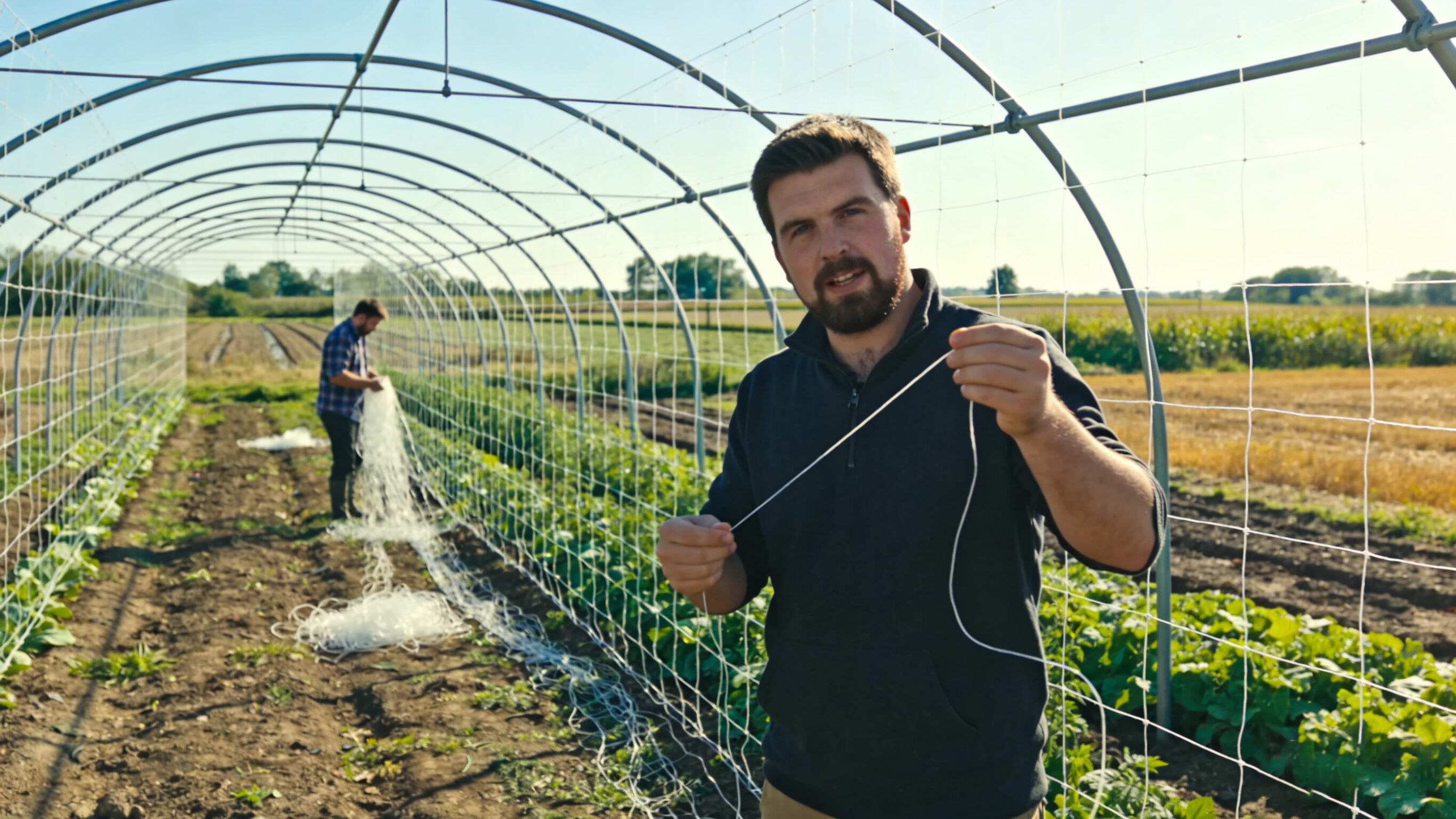
Twine is an excellent material with which to secure hay bales, for its strength and flexibility. Twine, as opposed to metal wire, wraps the bales without cutting into the hay. This holds the bales’ shape. RIOOP twine has a small stretch that stretches tight and holds your bales in the strongest possible fashion. Twine is also popular because it’s light. It is easy to carry and use when you have many bales left over that require bundling. Twine is also cheap, an important consideration for farmers who need to control costs while running their operations. RIOOP offers the high quality twines at pricing that saves farmers money. Plus, twine has many applications on the farm outside of hay bales. Farmers can use it to tie other things, like fencing or tools. This flexibility will help you save money. It’s similarly worth noting that twine is simple to dispose of after using. Several varieties are also biodegradable or recyclable, which is good for the environment. Eco-friendly is a big plus in today’s era. In sum, twine is the most environmentally friendly choice for hay bale bundling — it’s efficient, simple to use and good for the planet. You might also consider 8STRAND BRAIDED ROPE for larger bundling needs.
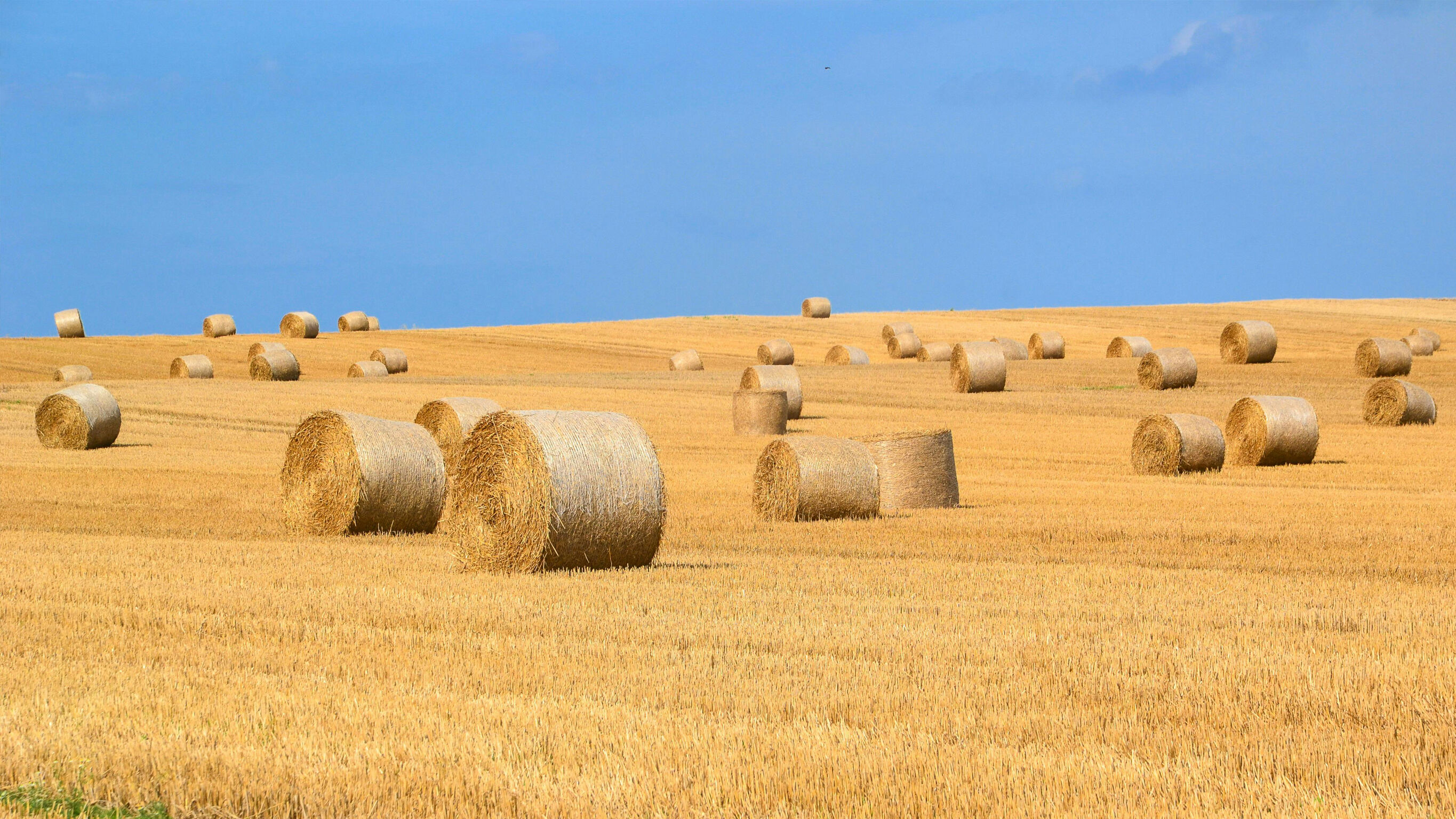
When it comes to using twine for hay bales, people often struggle with a variety of issues. One downside to the fish line is that it breaks too easily. It can occur when the twine is old or of poor quality. The hay bales could crumble if the twine snaps. It’s not a good thing because it means that hay is less safe and can get wet or dirty. Another issue is that the twine can become twisted. When this occur, it is difficult to knot bales properly. It can be quite a time-consuming process to clean up the mess. “Sometimes people realize that their hay bales are not sticking together well, and they didn’t have a tight wrap,” he said. Bales could simply fall apart or lose their shape if the twine is too loose. The solution to these problems is having the right twine. At RIOOP, we supply the type of twine that is weather & time tolerant. It is also advised to inspect the twine first before using. Then: If you have some twine that looks old or ragged, it’s best to buy new. Also, be certain that you are wrapping the twine tight when tying up the bales. This will hold the bales together and keep them from falling apart. By twining with a good quality twine, and making the contrivance do its duty, you can escape many of the annoyances to which hay-bales are usually subject.
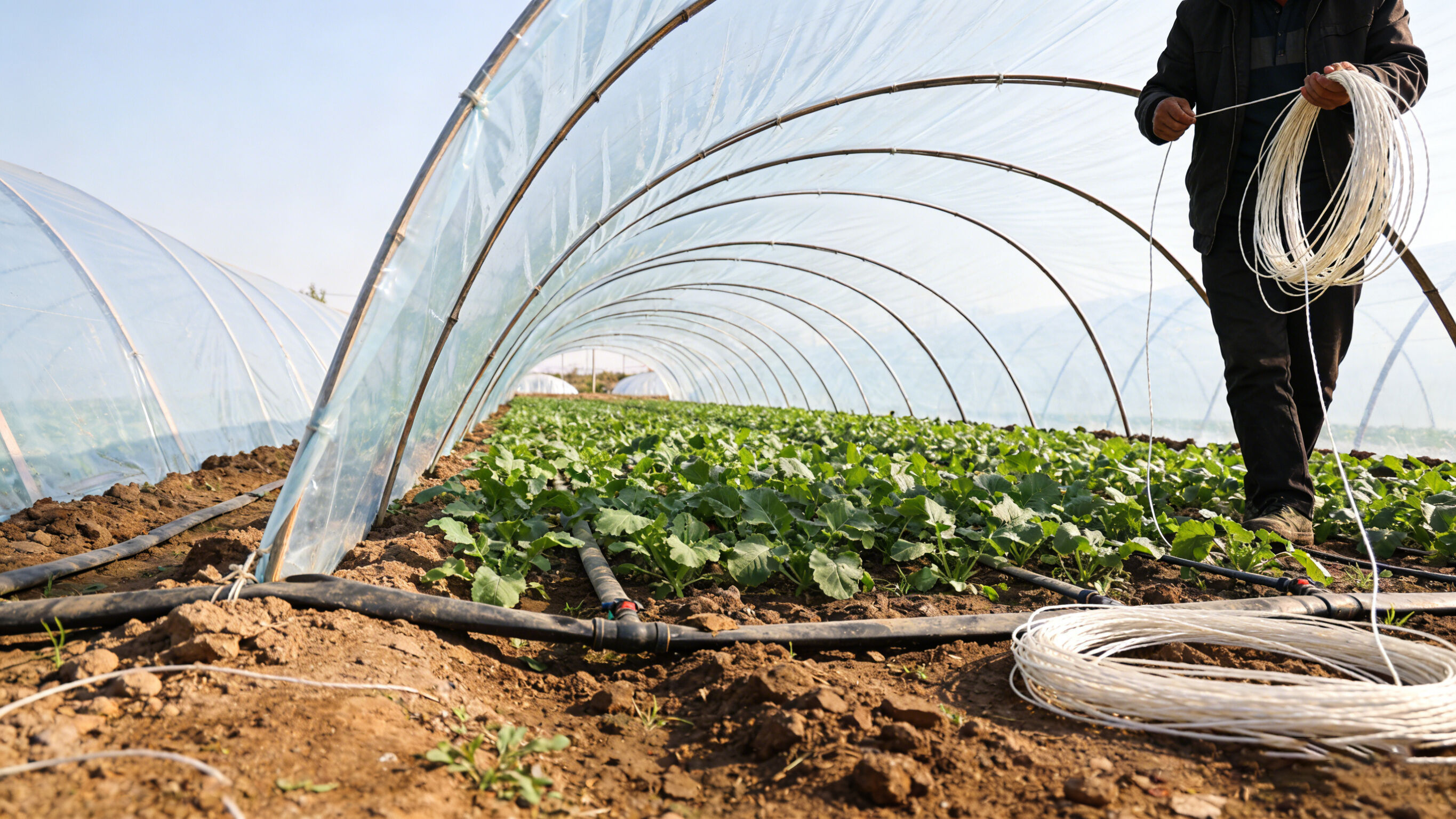
It is always important to store hay bales properly, and the right kind of twine used can go a long way. When stacked outside, hay bales will need to be covered with using a tarp or some other type of water resistant material to prevent them from being ruined by rain and snow. If the bales are exposed to water, they can become moldy and/or spoiled. Twine that is too weak or inexpensive may not keep the bales adequately secured to protect them. RIOOP provides twine suitable for outside storage. Our twine is strong and weather-resistant, protecting your bales from moisture. When stacking hay bales, a pallet or platform is also a beneficial site to put them on. This means the bales are kept off the ground allowing air to move around them. Bales will stay dry if there is good airflow. When you are working with RIOOP twine, remember to bind the bales properly. When you stack, make a pattern so they don't come tumbling down. Choosing the right twine and using good stacking methods will assist in maintaining quality hay bales. So you can have fresh and clean hay for your animals or farming.