EN
EN

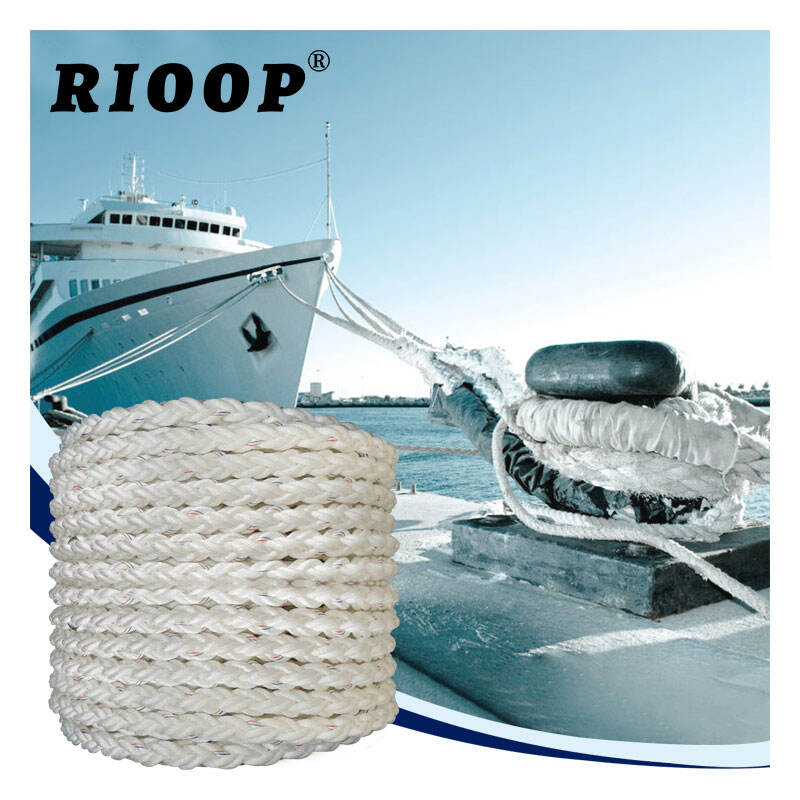
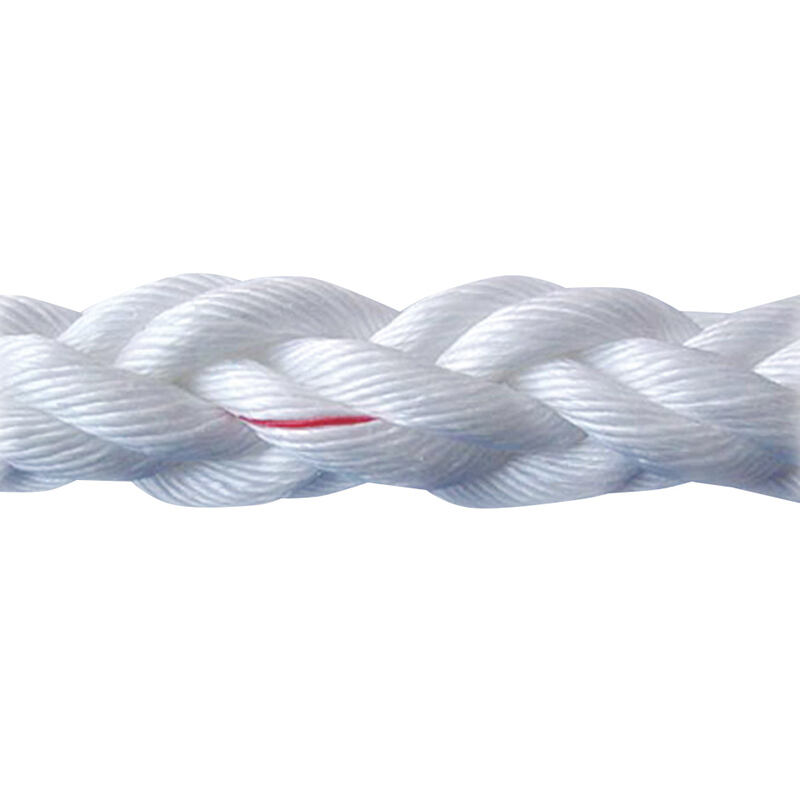
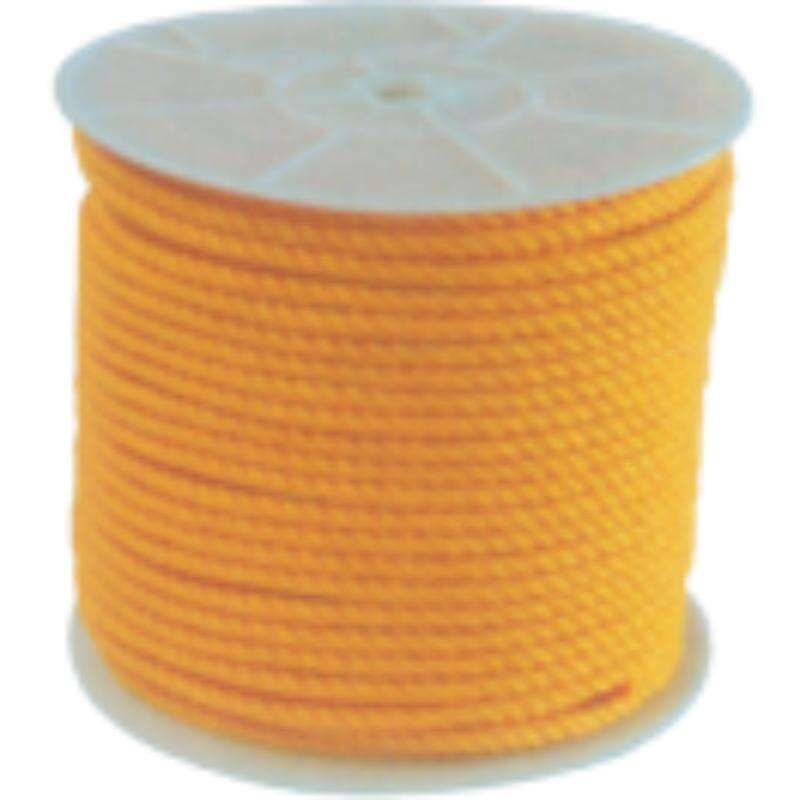
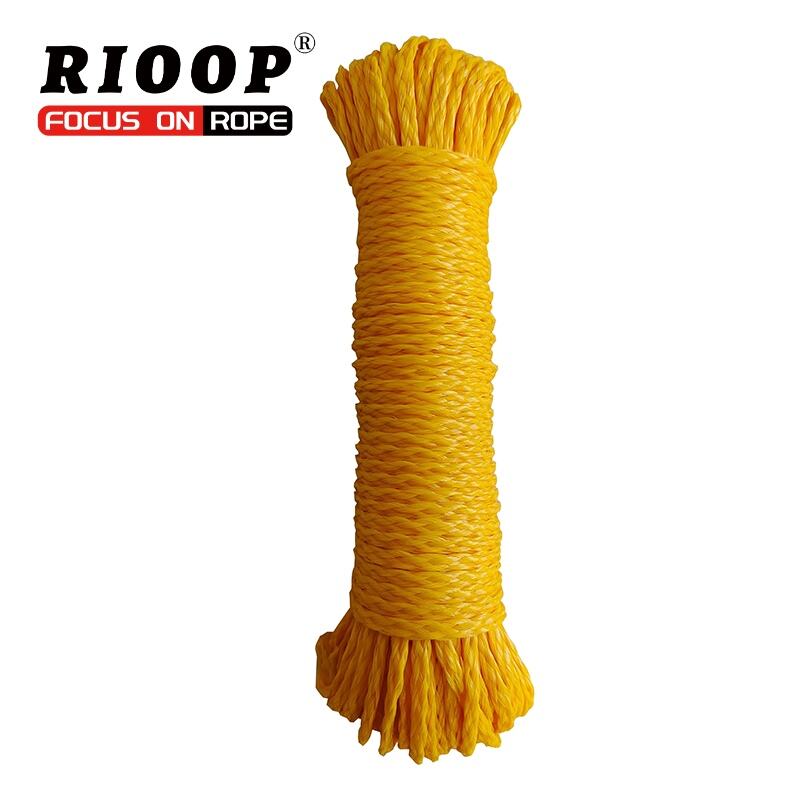
Farmers contribute a large part in feeding the world. One big tool they have at their disposal is hay baling twine. This twine is what binds bales of hay, which are consumed my livestock. Hay is mowed grass left to dry, and it feeds cows, horses and other animals in the winter months when no fresh grass grows. For farmers, having the right kind of twine is very important. It protects their bales, holding the hay together and preventing it from falling apart. This enables farmers to focus their time and energy in their fields. Nothing is worse than filaments of twine wrapping themselves around working parts in hay balers! RIOOP provides a high quality baling twine that farmers can count on to get the job done right. For those seeking durable options, consider using 8STRAND BRAIDED ROPE which offers excellent strength.
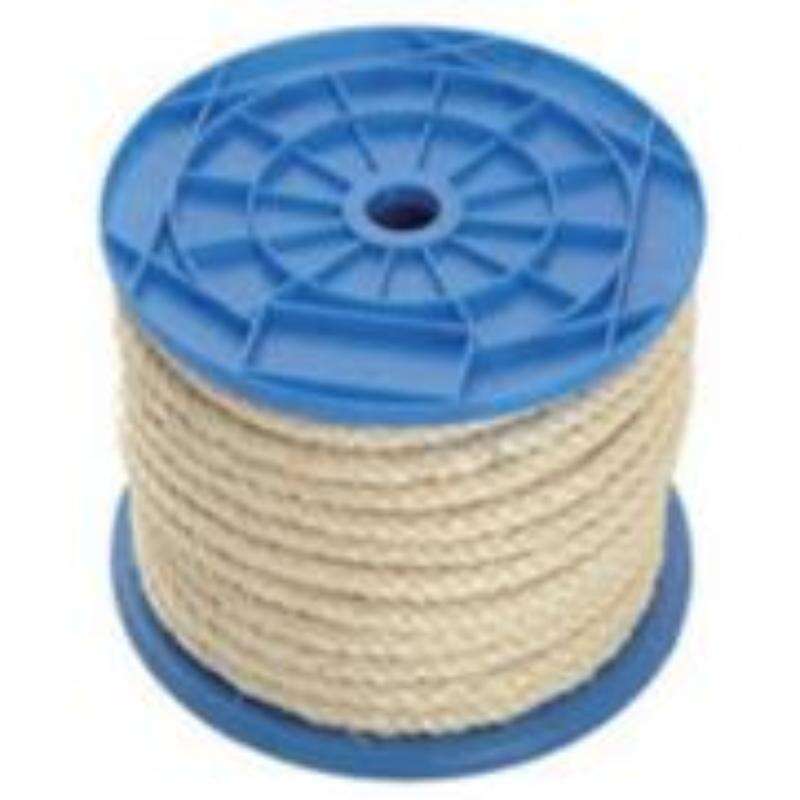
Good hay baling twine is essential to farmers for a few reasons. First, it prevents the bales of hay from falling apart. If the twine snaps or is flimsy, the bales can disintegrate. Farmers find this frustrating, as they do not like their efforts to be erased. The more you can keep those bales together, the better for storage. Farmers can stack them in a neat line in the barn or out in the field, freeing up room for more hay. Long-lasting is another case where quality matters. Rugged twine can also stand up to the weather. The hay as well as the twine can be affected by rain, wind and sun. If the twine is not very strong, it might also get broken. RIOOP’s twine is designed to withstand these elements. Farmers also need to consider how easy the twine is to use. If the twine tangles or binds in the baler, it may slow up operations. Farmers are busy people, and they deserve hardware that won’t waste their time. Good twine makes baling easier. It also helps reduce waste. And twine that is sturdier means farmers do not need to use as much of it. This is environmentally good because less plastic is used. And when the farmers choose RIOOP, they are choosing a brand that relates these requirements. They know every bale counts, and they want farmers to be able to do their job. Additionally, for those interested in sustainable options, JUTE TWISTED ROPE is a great choice.
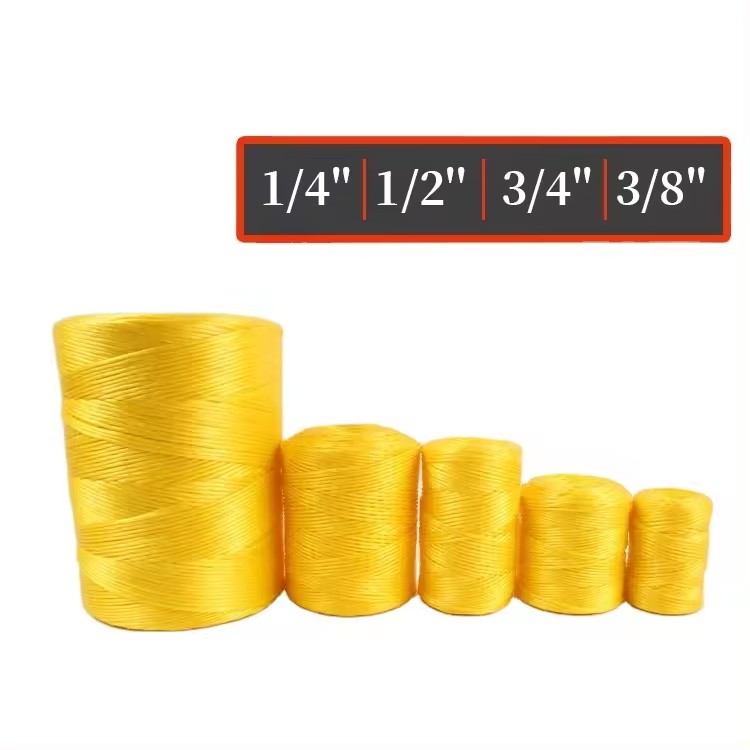
With so many choices, selecting the optimal hay baling twine can be overwhelming – but it doesn’t have to be. First, farmers should be considerate of the type of hay they are baling. Different forage, such as grass or alfalfa, may require different twine. One type of twine is suited for heavier bales and another for lighter ones. Farmers should also think about where they live. When it rains a lot, you want twine that’s stroppy and won’t go soft on you and start flopping itself everywhere. RIOOP has solutions that can get you through the rain without loosing bales. Another consideration is bales’ size. A few make small bales, some large ones. For best results, the twine should be the same size as your bales. You should also read reviews and ask other farmers what they use. Message others who have done it for advice. And of course, price is on everybody’s mind as well. The temptation may be to go with the least expensive choice, but a good rule of thumb is that you get what you pay for. RIOOP’s twine is reasonably priced and it gets the job done, making it a logical choice for farmers. Considering these factors will make it easier for the farmers to get the best hay baling twine that can address their needs and enable them work more efficiently.
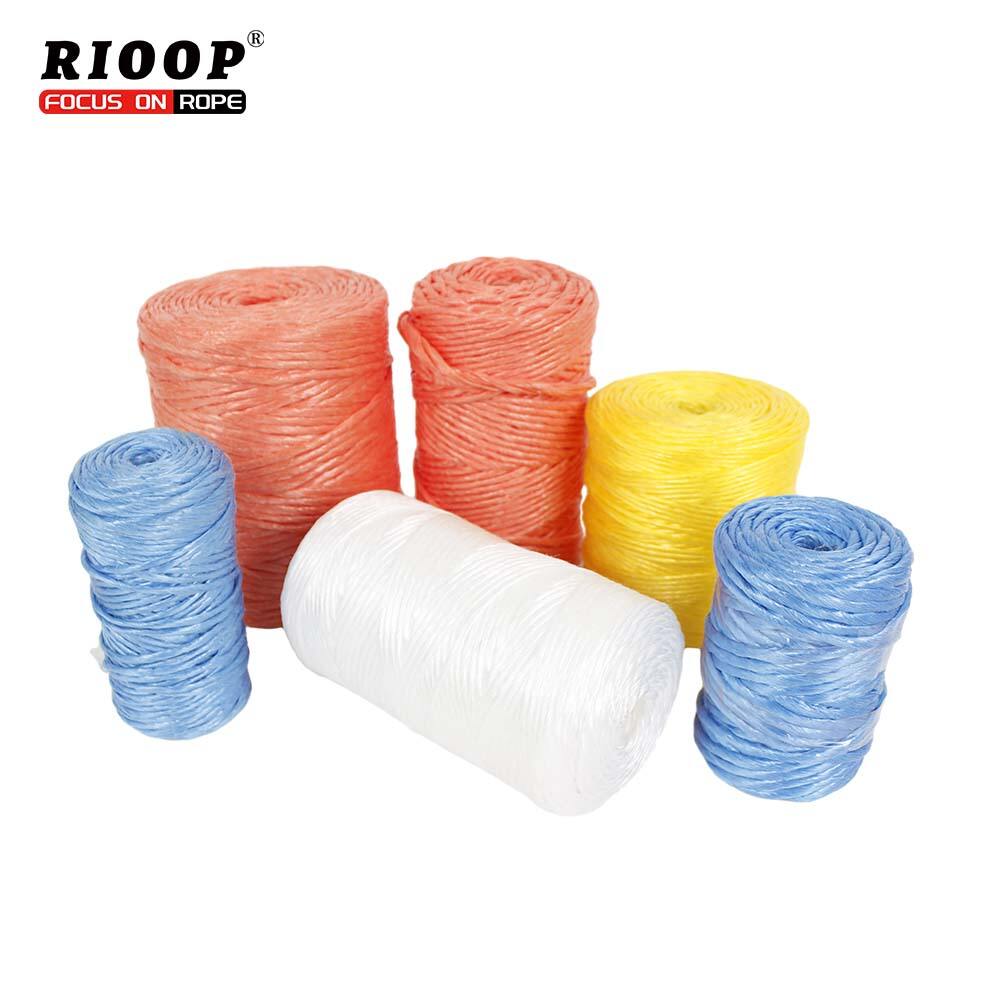
Hay baling twine is a type of string farmers use to keep hay bales bound together. It is highly useful for hay-storage, dried grass for feeding the animals. One of the most important advantages to durable hay baling twine, is that it helps ensure your hay remains in good condition. Because farmers can depend on strong twine, the bales do not disintegrate easily. This also means that the hay is protected from being soiled or wet. If hay becomes wet, it can ruin, and animals will reject feeding on the stuff. Decent quality twine also shelters the hay from rain or snow. Plus, using Durable String saves time and labor. If the twine snaps while tying bales, farmers must stop and repair it — a time-consuming business. With rugged twine, farmers can work faster and get jobs done without stopping to adjust. One other bonus is that several types of sturdy twine can also be used in rough weather. No matter how hot or cold the weather is outside, good twine can take it. That way, farmers can work when they need to, not just any time that the twine won’t break. RIOOP provides high quality, heavy-duty hay baling twine that will enable farmers to manage all of their hay projects. RIOOP Twine is something better bales, and less worrying about trouble.
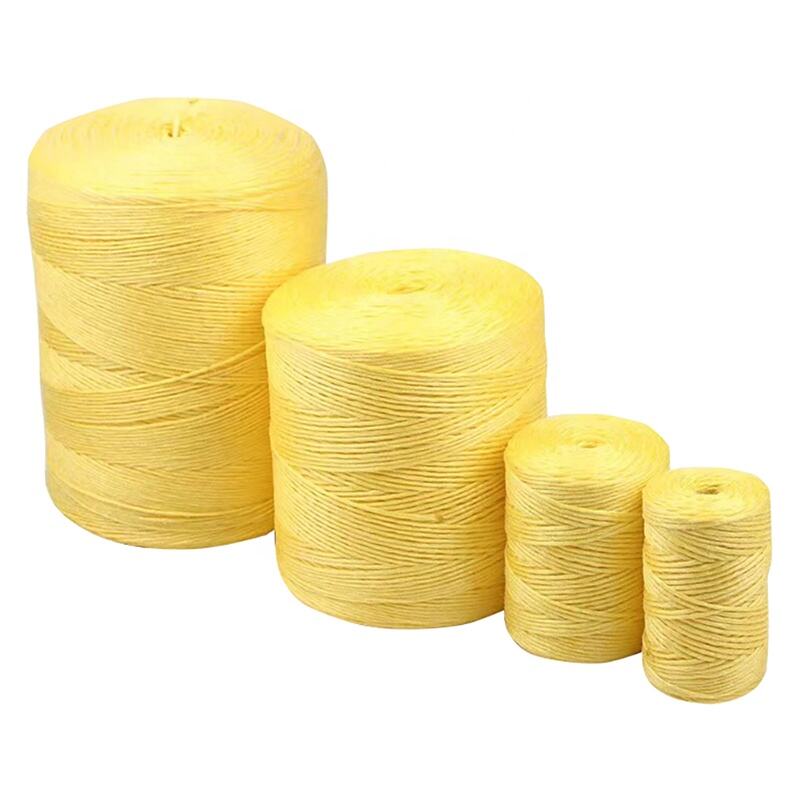
Farmers can even encounter problems from time to time with hay baling twine. One thing that happens a lot is that the twine gets all tangled up. This can occur if the twine is not stored correctly, or caught on something. In order to avoid this, twine should be stored in a cool and dry place. Also try to keep it away from sharp objects (like a guitar rack) to keep tangles at bay. Another problem is when you’re working with the wrong length of twine. If farmers apply too little twine, the bales could fall apart easily. When people employ too much, it is wasteful and harder to maintain. To avoid this situation, farmers are encouraged to practice tying bales and learn the right amount of twine that they need. Farmers can also inspect twine for wear or damage before they use it. If they notice any weak areas, they should replace the twine so breakage isn’t an issue while working. The simple test RIOOP suggests is to take a look at the twine before beginning any hay bailing. Farmers can prevent these common problems by being cautious and taking the time to prepare well.